TL;DR

Get audio and creator gear delivered free with Prime
- Fast, free delivery on millions of items
- Prime Video, Amazon Music and more included
- Member-only deals all year
Choosing a camera for low-light and night photography means prioritizing sensor size, fast lenses, clean high ISO, stabilization, and long exposure controls. A full-frame body helps, but an APS-C or Micro Four Thirds camera with a bright lens and solid technique can still make sharp, moody night images.
Night photography punishes weak gear fast: streetlights smear, shadows turn gritty, and autofocus hunts like it forgot its job.
I have learned this standing in cold parking lots, waiting for blue hour to fade, with one eye on the histogram and the other on my breath fogging the rear screen. In this guide, you will learn what actually matters when choosing a camera for dim rooms, city streets, concerts, stars, and long exposures.
The goal is simple: help you buy for usable low-light performance, not just big spec-sheet numbers. You will see where sensor size and lens aperture matter most, where they do not, and which features make night shooting less frustrating.
Prioritize the full light-gathering chain: sensor size , lens aperture , usable ISO , and stability .
A full-frame camera helps in dark scenes, but a fast f/1.8 lens can improve real photos more than chasing extreme ISO settings.
Stabilization helps with still subjects; moving people still need faster shutter speeds.
Mirrorless cameras are usually the easier starting point today because exposure preview, eye detection, and low-light autofocus reduce guesswork.
For tripod-based night work, manual exposure, bulb mode, raw capture, and long-exposure handling matter as much as headline sensor specs.
Buy for the whole light-gathering chain, not the loudest ISO number.
Night photography punishes weak gear fast: highlights smear, shadows turn gritty, and autofocus starts guessing. The real buying decision comes down to sensor size, lens aperture, usable ISO, stabilization, autofocus confidence, and long exposure controls that stay out of your way.
A full-frame body helps, but a bright lens and solid technique can beat bigger spec-sheet numbers.
What actually changes your night files
Low-light quality is not one feature. It is the meeting point of total sensor area, aperture, shutter speed, ISO behavior, stabilization, and how flexible the raw file remains when shadows need help.
More area means cleaner shadows
Full-frame usually gives the most room for high ISO files, wider dynamic range, and smoother tonal detail when city light fades into black.
Aperture can beat body hype
A 35mm f/1.8 can transform concerts, portraits, and handheld streets more than chasing extreme ISO settings on a slow kit zoom.
Still subjects reward steady hands
IBIS and lens stabilization help with alleys, interiors, and architecture, but moving people still need faster shutter speeds.
See what sensor size really changes at night
Bigger sensors are not magic, but they often collect more total light at the same framing and exposure. Smaller systems can still shine when paired with fast lenses and careful technique.
| Sensor format | What you gain | What you give up | Best night use | Handheld rating |
|---|---|---|---|---|
| Full-frame | Cleaner high ISO, wider dynamic range, easier shallow depth | Larger bodies and lenses | Astro, weddings, concerts, city nights | ✓ strongest |
| APS-C | Good balance of size, reach, price, and image quality | More noise than full-frame at the same exposure | Travel, street, events, moonlit landscapes | ~ balanced |
| Micro Four Thirds | Compact kit and strong stabilization options | Smaller sensor area means more shadow noise | Handheld city scenes, lightweight travel, video | ~ technique-led |
| Slow compact zoom | Convenience and low carry weight | Limited aperture and less background separation | Tripod scenes, casual dusk photos | ✗ limiting |
Fast glass is the quiet upgrade
Aperture numbers feel backward at first: f/1.8 lets in far more light than f/4. That can mean a faster shutter, lower ISO, or both.
Choose the lens speed before you chase ISO.
For handheld night portraits, concerts, and street scenes, an f/1.4 or f/1.8 prime often creates a larger real-world improvement than a body with a dramatic expanded ISO range.
Build the exposure before the moment disappears
The best low-light camera makes this chain feel calm: choose exposure, keep focus locked, stabilize what can be stabilized, and preserve raw data for editing.
Open aperture
Start with the fastest usable f-stop for your subject and depth of field.
Set shutter
Use fast speeds for people, longer speeds for static scenes or tripod work.
Raise ISO
Lift ISO only as needed; sharp noisy files beat clean blurry frames.
Lock focus
Hybrid AF, eye detection, and bright lenses help when contrast is thin.
Shoot raw
Raw capture keeps more room for noise reduction and shadow recovery.
Match the camera to the kind of dark you shoot
Stabilization, autofocus, and long exposure tools matter differently depending on whether the subject is standing still, walking, performing, or moving across the sky.
ISO is a tool, not a panic button
Pick IBIS if you like unstabilized prime lenses, quiet interiors, handheld city details, and slower static scenes.
Pick strong AF if you shoot concerts, proposals, receptions, pets, kids, or anything that moves through weak light.
Pick long exposure controls for stars, traffic trails, architecture, bulb mode, interval shooting, and multi-minute tripod work.
From scene to clean file
A night photo succeeds when each link supports the next. Break one link, and the file becomes noisy, soft, missed, or frustrating to edit.
Choose The Camera That Lets In More Light
Choosing a camera for low-light and night photography starts with light-gathering ability: sensor size, lens aperture, and usable ISO work together. A larger sensor can collect more light, a fast lens lets more of that light through, and a clean ISO file keeps the image from turning into colored sand.
In real shooting, I notice this most after sunset on city streets. A wet sidewalk reflects neon signs, car headlights skim across glass, and your camera has to hold detail in both bright highlights and dark coat fabric.
Full-frame cameras usually give you the most room to work because the sensor area is larger. According to CIPA format references, full-frame is roughly 36 x 24 mm, while APS-C is smaller and Micro Four Thirds is smaller again [1].
Low-light image quality is not one feature. It is the meeting point of sensor size, lens speed, ISO behavior, and how steady you can keep the camera.
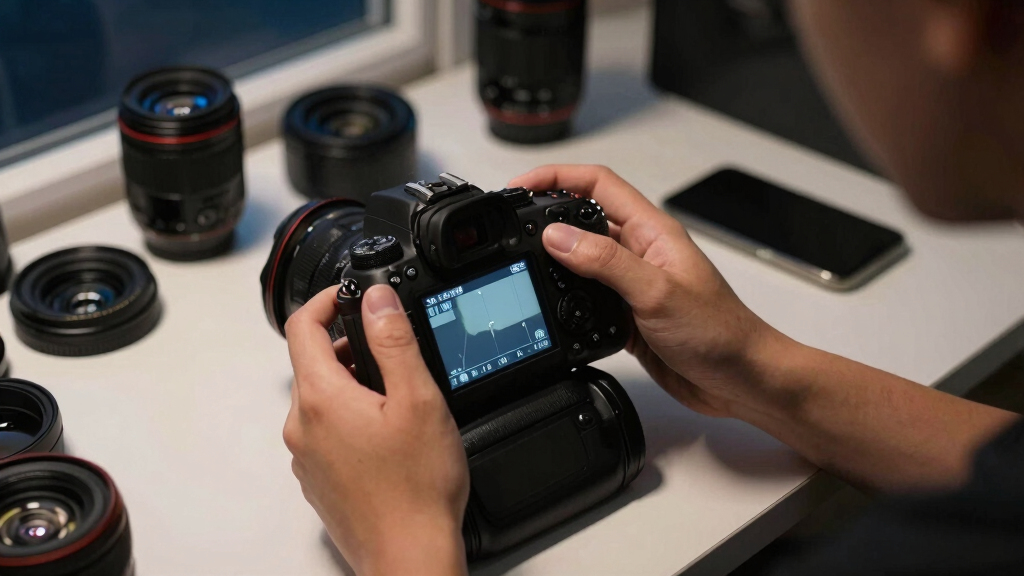
full-frame mirrorless camera for low light
As an affiliate, we earn on qualifying purchases.
As an affiliate, we earn on qualifying purchases.
See What Sensor Size Really Changes At Night
| Sensor format | What you gain | What you give up | Best night use |
|---|---|---|---|
| Full-frame | Cleaner high ISO, wider dynamic range, easier shallow depth | Larger bodies and lenses | Astro, weddings, concerts, city nights |
| APS-C | Good balance of size, reach, and image quality | More noise than full-frame at the same exposure | Travel, street, events, moonlit landscapes |
| Micro Four Thirds | Compact kit, strong stabilization options | Smaller sensor area means more noise in deep shadows | Handheld city scenes, lightweight travel, video |
Sensor size changes how clean your shadows look when the light gets thin. In general, larger sensors capture more total light at the same framing and exposure, often resulting in better noise control and smoother tonal detail.
That does not make smaller cameras bad. Smaller sensors are easier to carry, often cheaper to build around, and can be excellent when paired with a bright lens and careful exposure.
Here is the practical version. If you shoot wedding receptions in candlelit rooms, full-frame helps. If you hike all evening and want a small kit for a blue-hour overlook, APS-C or Micro Four Thirds may be the camera you actually bring.
fast lens f/1.8 for night photography
As an affiliate, we earn on qualifying purchases.
As an affiliate, we earn on qualifying purchases.
Buy The Lens Speed Before You Chase ISO Numbers
Choosing a camera for low-light and night photography gets much easier when you treat the lens as part of the camera. A lens with a f/1.4, f/1.8, or f/2.8 maximum aperture can matter more than a body with a dramatic ISO range printed in the manual.
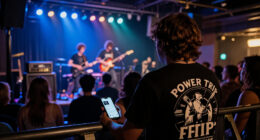
A fast prime lens changes the whole feel of a night shoot. At a small music venue, I would rather have a 35mm f/1.8 than a slow kit zoom, because it lets me keep the singer’s face sharp without pushing the file into ugly noise.
Aperture numbers can feel backward at first. f/1.8 lets in much more light than f/4, and that can mean a faster shutter speed, lower ISO, or both.
- f/1.4 to f/1.8: Great for night portraits, concerts, handheld street scenes, and shallow depth of field.
- f/2.8: A strong choice for zooms, events, travel, and wider night landscapes.
- f/4 and slower: Fine on a tripod, but limiting for handheld people, motion, and indoor darkness.
camera stabilization for night shots
As an affiliate, we earn on qualifying purchases.
As an affiliate, we earn on qualifying purchases.
Use ISO As A Tool, Not A Panic Button
ISO does not add light; it brightens the signal your sensor already captured. Modern cameras often offer settings beyond ISO 25,600 or even 102,400, but the useful question is how clean the files look at the ISO you need for your subject.
When I photograph a quiet street scene on a tripod, I keep ISO low and let the shutter run. When I photograph people moving under dim bulbs, I raise ISO because a sharp noisy photo beats a clean blurry one every time.
Noise has a texture. Sometimes it looks like fine film grain. Sometimes it looks like red and green confetti in the shadows. The difference comes from the sensor, exposure, processing, and how far you push the file afterward.
According to Adobe’s public guidance on digital noise reduction, luminance noise and color noise need different treatment in editing software such as Lightroom [2]. That matters because a camera that gives you flexible raw files can recover a rough night image more gracefully.
manual exposure camera for long exposures
As an affiliate, we earn on qualifying purchases.
As an affiliate, we earn on qualifying purchases.
Match Stabilization To The Way You Shoot
Stabilization helps when the subject is still and your hands are moving. In-body image stabilization, lens stabilization, or both can make handheld night photos sharper at slower shutter speeds, but they cannot freeze a person walking through the frame.
I lean on stabilization when shooting quiet alleys, museum interiors, hotel rooms, or city details after dinner. You lift the camera, exhale, press the shutter gently, and the frame feels steadier, like setting a cup down without spilling it.
The tradeoff is simple. Stabilization helps you use 1/15 second or slower for static scenes, but a laughing couple at a reception may still need 1/125 second or faster.
- Choose IBIS if you use many unstabilized prime lenses.
- Choose lens stabilization if you shoot longer focal lengths or older DSLR systems.
- Use a tripod for stars, traffic trails, architecture, and exposures longer than a few seconds.
Check Autofocus Before You Trust The Camera In The Dark
Low-light autofocus matters when your subject moves, your contrast is low, or you cannot reshoot the moment. Phase-detection or hybrid autofocus systems usually perform better in darkness than older contrast-only systems, especially when paired with bright lenses.
At a winter proposal shoot, the couple stood under a string of warm bulbs while everything behind them fell into black. The camera had to find faces, ignore the glowing bulbs, and hold focus while they moved closer together.
Modern mirrorless bodies have made this easier with subject detection, eye tracking, and better low-light AF sensitivity. Some systems use AI-based recognition for faces, eyes, animals, vehicles, or other subjects, but you still need enough contrast and a lens that focuses confidently.
Before buying, look for the camera’s low-light AF rating, usually listed in EV. A lower EV number means the camera can focus in darker conditions, though real performance still depends on the lens and scene contrast.
Pick Long Exposure Controls That Do Not Fight You
- Look for manual exposure mode so you can set aperture, shutter speed, and ISO yourself.
- Check the longest timed shutter speed; many cameras offer 30 seconds, while bulb mode handles longer exposures.
- Use raw capture for cleaner editing latitude in shadows and highlights.
- Add a remote release or app control to reduce shake during multi-second exposures.
- Confirm long-exposure noise reduction settings so you know when the camera will take a dark frame after the shot.
Long exposure controls matter because night photography often needs seconds or minutes, not fractions of a second. City light trails, star fields, moonlit water, and empty streets all ask the shutter to stay open long enough to gather a quiet pool of light.
For a skyline at night, I often start near ISO 100, f/8, and a shutter speed between 5 and 20 seconds, then adjust from the histogram. The rear screen can lie in the dark because it looks bright against your eyes.
For stars, you will want wider apertures, higher ISO, and shorter shutter speeds to avoid trailing. A common starting point is f/2.8, ISO 1600 to 6400, and 10 to 20 seconds, depending on focal length and sky brightness.
Decide Between Mirrorless And DSLR Without The Hype
Mirrorless cameras are usually the better low-light choice for most new buyers today because they combine live exposure preview, strong autofocus coverage, eye detection, and excellent video features. DSLRs can still make beautiful night images, especially when you already own good lenses.
The mirrorless advantage feels obvious in a dark street. You raise the camera and see exposure, white balance, and focus peaking before you press the shutter, instead of guessing through an optical finder that cannot brighten the scene.
DSLRs still have strengths. Their batteries often last longer, used lenses can be plentiful, and many full-frame DSLR sensors remain excellent for long exposures and event work.
If you are starting from scratch, I would lean mirrorless. If you already own a DSLR kit with fast glass, your money may go further on lenses, a tripod, and a better editing workflow.
Choose Features That Save The Shot At 11 P.M.
The best night camera features are the ones that remove friction when you are cold, tired, and working fast. Weather sealing, a bright viewfinder, tilting screen, solid battery life, raw files, and easy manual controls matter more than flashy menu items you will never touch.
I think about this every time I shoot after midnight. Buttons feel smaller in gloves, batteries drain faster in the cold, and a stiff tripod plate suddenly feels like a personal insult.
- Dual control dials help you change shutter and aperture without menu digging.
- A tilting rear screen saves your neck during tripod work near the ground.
- USB-C charging helps during travel, long events, and overnight astro sessions.
- Weather sealing adds confidence around mist, wet pavement, and light drizzle.
- Raw format gives you more room for noise reduction, color repair, and highlight recovery.
These are the important aspects to check once sensor and lens choices make sense. Small handling details become big deals when the air smells like rain and your fingers are going numb.
Build A Low-Light Kit Around Real Subjects
Choosing a camera for low-light and night photography should start with what you shoot most, not what sounds strongest on paper. A concert shooter, an astro hobbyist, a travel photographer, and a parent photographing indoor sports need different compromises.
If you shoot people indoors, prioritize autofocus, fast lenses, and clean ISO at moving-subject shutter speeds. A 50mm f/1.8 on a good APS-C or full-frame body can make warm, intimate images in a living room lit by one lamp.
If you shoot night landscapes, prioritize dynamic range, tripod controls, weather sealing, and wide lenses. You may use ISO 100 for cityscapes one night and ISO 3200 for stars the next.
If you shoot video at night, add stabilization, heat management, log profiles, and clean high-ISO footage to your checklist. Low-light video is less forgiving because each frame gets less exposure time than a still photo.
Frequently Asked Questions
Is full-frame always best for low-light photography?
Full-frame is usually stronger in low light because it gathers more total light and often produces cleaner high-ISO files. But APS-C and Micro Four Thirds cameras can still work beautifully with a fast lens, good exposure, and careful noise reduction.
Should I spend more on the camera body or the lens?
Spend on the lens first if your current camera is reasonably modern. A f/1.8 prime can change your night photos immediately, while a new body with a slow zoom may still struggle in dim rooms.
How high can I set ISO before photos look bad?
The useful ISO limit depends on the camera and the scene. Many modern cameras look good around ISO 3200 to 6400, while some full-frame bodies remain usable higher, especially when the exposure is accurate and you edit from raw.
Do I need in-body stabilization for night photography?
IBIS is helpful but not mandatory. It helps with handheld static subjects, but it will not freeze moving people, traffic, or blowing trees; for long exposures, a tripod still gives the cleanest result.
Can a smartphone work for night photography?
A modern smartphone can make strong night photos because computational processing blends frames and reduces noise. A dedicated camera still gives you more control, larger sensors, true optical lenses, cleaner raw files, and better long-exposure flexibility.
Conclusion
Buy for the darkness you actually photograph. If you shoot people, favor autofocus and fast lenses; if you shoot stars or skylines, favor sensor quality, tripod controls, and clean raw files.
The right camera will not make the night easy, but it will make it honest. You can stand under a streetlamp, hear the shutter click, and know the file has enough light to become the image you saw.
Halloween Picks
halloween
As an affiliate, we earn on qualifying purchases.