
TL;DR
Listen free for 30 days with Audible
Thousands of audiobooks and originals — cancel anytime.
Start your free trialAs an affiliate, we earn on qualifying purchases.
Full-frame gives you a wider view, cleaner high-ISO files, and easier shallow background blur, while APS-C gives you lighter kits, extra apparent reach, and excellent image quality in good light. The best choice depends less on status and more on what you photograph, how much weight you carry, and which lenses you will use most.
A camera can feel perfect in your hand and still be wrong for the way you shoot. I have carried full-frame bodies through dim wedding receptions and hiked with APS-C kits that saved my shoulders before sunrise.
You are not choosing a better or worse sensor. You are choosing field of view, lens size, low-light margin, and the kind of compromises you can live with after four hours of shooting.
This guide keeps the full frame vs APS-C debate grounded in real photographs: portraits, travel days, wildlife, family work, video, and prints that end up on walls instead of spec charts.
Full-frame mainly helps with wider framing, cleaner high-ISO files, stronger background blur, and more edit room in hard light.
APS-C mainly helps with lighter kits, tighter framing from crop factor, travel comfort, wildlife reach, and lower system burden.
A 1.5x or 1.6x crop factor changes how every lens frames, so a 50mm lens behaves like a short telephoto on APS-C.
Lens availability matters more than sensor pride; choose the system with the lenses you will use every week.
Technique, light, timing, and subject choice still shape the final photo more than the badge on the front of the camera.
Full-Frame vs APS-C: What Actually Matters for Your Photography
TL;DR: Full-frame gives you a wider view, cleaner high-ISO files, and easier shallow background blur. APS-C gives you lighter kits, extra apparent reach, and excellent image quality in good light. You are choosing field of view, lens size, low-light margin, and the compromises you can live with after four hours of shooting.
50mm becomes 75-80mm
A normal prime frames like a short telephoto on most APS-C bodies, which changes composition faster than beginners expect.
Choose the lens path
A camera can feel perfect in your hand and still be wrong if the weekly lenses are missing, too heavy, or too expensive.
Photos beat status
Technique, light, timing, and subject choice still shape the final image more than the badge on the front.
Approximate millimeters, matching classic 35mm film framing.
Brand-dependent crop sensor dimensions in millimeters.
Multiplier used to compare angle of view across formats.
Both formats now offer strong modern detail and print quality.
Full-frame bodies and lenses often carry a much larger system cost.
The sensor size difference shows up as framing before anything else.
Think of full-frame as the larger window and APS-C as a tighter center crop. From the same spot, full-frame keeps more of the room, street, or landscape. APS-C makes subjects feel closer, which can help wildlife and sports but can squeeze interiors, events, and family scenes indoors.
Full-frame sees wider
A 24mm lens feels genuinely wide, giving you more room for interiors, environmental portraits, and travel scenes.
APS-C frames tighter
The smaller sensor records the center of the image circle, so the same lens behaves as if it were longer.
Your feet matter
In small spaces, APS-C may force a lens change, a step back, or a more intimate crop than planned.
The better format depends on the photographs you make most often.
Full-frame usually wins when light is ugly, backgrounds are distracting, or you need wide lenses to stay wide. APS-C often wins when the kit needs to stay light, affordable, and long enough for distant subjects.
| Question | Full-Frame Advantage | APS-C Advantage | Practical Verdict |
|---|---|---|---|
| Dim receptions, gyms, school plays | ✓ Cleaner high ISO and more edit room. | ~ Strong with fast lenses and careful exposure. | Full-frame gives more low-light margin. |
| Travel, hiking, daily carry | ~ Excellent quality, heavier system. | ✓ Smaller bodies and lenses reduce fatigue. | APS-C is often easier to keep with you. |
| Portrait blur | ✓ Shallower depth of field is easier. | ~ Still beautiful with fast primes. | Full-frame melts busy backgrounds faster. |
| Wildlife and sports reach | ~ Better files, bigger lenses. | ✓ Crop factor fills more of the frame. | APS-C can save size and money at long focal lengths. |
| Lens ecosystem | ✓ Broader pro zooms, primes, specialty glass. | ~ Great when the native crop lineup is strong. | Choose the weekly lenses, not the spec sheet. |
A simple five-step check keeps the decision honest.
The best sensor is the one that fits your subjects, light, lenses, and carrying style. Use this sequence before falling in love with a body.
List subjects
Portraits, travel, wildlife, family, video, interiors, events, or prints.
Rate light
Decide whether you mostly shoot sun, shade, dusk, gyms, or reception halls.
Map lenses
Convert favorite focal lengths with 1.5x or 1.6x crop factor.
Weigh the kit
Imagine four hours walking, not five minutes at a camera counter.
Buy weekly
Pick the system built around the lenses you will actually use.
The plain crop-factor truth
APS-C does not magically magnify a lens. It records a smaller part of the image. The effect still helps when a bird, athlete, or stage performer fills more of your frame without requiring a longer lens.
The format choice is really a compromise profile.
Full-frame opens more creative margin in difficult light and shallow-focus portraits. APS-C protects your shoulders, budget, and reach. Neither is automatically better. Each makes a different promise.
Full-frame tends to reward
- Wide framing in tight interiors and environmental scenes.
- Cleaner shadows and smoother color at high ISO.
- Easier background blur for portraits and detail work.
- More professional zoom, prime, and specialty lens options.
- More editing latitude when light is hard or mixed.
APS-C tends to reward
- Lighter kits for travel, hiking, and daily carry.
- Tighter framing for wildlife, sports, and distant details.
- Lower system cost when bodies and lenses are compared.
- More depth of field for macro, landscapes, and product photos.
- Excellent image quality in good light with modern sensors.
Traceability chain: from sensor to photograph
The sensor decision travels through the whole workflow. It changes how lenses frame, how much light margin you keep, how much the bag weighs, and what kind of images you are likely to make when the day gets long.
The Sensor Size Difference You’ll Notice First
Full-Frame vs APS-C: What Actually Matters for Your Photography starts with framing: full-frame sensors are about 36mm x 24mm, while APS-C sensors usually sit near 22-24mm x 15-16mm depending on brand [1]. That smaller APS-C rectangle crops the image circle, so your lenses feel tighter.
Think of it like looking through two windows from the same spot. Full-frame is the larger window: you see the subject, the lamp beside them, and the edge of the room. APS-C is the smaller window cut from the middle: the subject looks closer, but the surroundings disappear sooner.
In real use, that means a 24mm lens feels wide and roomy on full-frame, but more like a 36mm view on many APS-C cameras. In a small kitchen, that difference can decide whether you get the whole table, the birthday cake, and the grandparents laughing, or only the plates and elbows.
I notice this most in interiors. With full-frame, I can stand in a doorway and keep the warm window light, the worn floorboards, and the subject in one frame. With APS-C, I often step back, change lenses, or accept a tighter, more intimate crop.

Sony Alpha a7 III Full-Frame Mirrorless Camera Body Black
- High-Resolution 24.2MP Sensor: Full-frame BSI sensor with fast readout
- Wide Dynamic Range: 15 stops for detailed images
- High ISO Range: ISO 50 to 204,800
As an affiliate, we earn on qualifying purchases.
As an affiliate, we earn on qualifying purchases.
The Crop Factor Math That Makes Lens Choices Easier
Crop factor is the multiplier that helps you compare framing across sensor sizes. Most APS-C cameras use about 1.5x, while Canon APS-C often uses about 1.6x. Multiply the lens focal length by that number to estimate the full-frame-like angle of view.
| Lens on Camera | Approximate Framing | What It Feels Like |
|---|---|---|
| 24mm on APS-C | 36mm to 38mm | Street, food, loose portraits |
| 35mm on APS-C | 52mm to 56mm | Natural everyday view |
| 50mm on APS-C | 75mm to 80mm | Tight portraits, details |
| 300mm on APS-C | 450mm to 480mm | Birds, sports, distant subjects |
Here is the plain version: APS-C does not magically magnify the lens; it records a smaller part of the image. The effect still helps when you photograph a heron across a pond, because the bird fills more of the frame without carrying a longer lens.

Canon EOS Rebel T7 DSLR Camera Double Zoom Lens Kit with EF-S 18-55mm and EF 75-300mm Lenses, 24.1 Megapixel CMOS (APS-C) Sensor, Full HD Videos, Wi-Fi, Beginner Photographers, Digital Camera, Black
- Sensor Resolution: 24.1 Megapixel CMOS (APS-C)
- Connectivity: Built-in Wi-Fi and NFC
- Autofocus System: 9-Point AF with AI Servo
As an affiliate, we earn on qualifying purchases.
As an affiliate, we earn on qualifying purchases.
When Full-Frame Gives You Cleaner Files
Full-Frame vs APS-C: What Actually Matters for Your Photography becomes very real when light gets thin. A larger sensor can gather more total light at the same framing and exposure settings, which often gives you cleaner shadows, smoother color, and more room to edit at high ISO.
At a candlelit reception, I may shoot full-frame at ISO 6400 and still keep skin tones soft, the black suit clean, and the brass lamps warm. On APS-C, I can still make a strong image, but I may expose more carefully and use noise reduction with a lighter hand.
Picture a parent photographing a school play from row seven. The stage is dim, the children are moving, and flash is not allowed. Full-frame may let that parent keep a fast enough shutter speed without the shadows turning gritty. APS-C can still get the shot, but timing, exposure, and lens choice matter more.
Modern APS-C sensors are excellent, especially around 24MP and in decent light. The gap shows up most when you lift dark files, crop hard, or shoot fast action under tired gym lights that buzz green and yellow.

Sony – FE 50mm F1.8 Standard Lens (SEL50F18F/2), Black
- Maximum Aperture: F1.8 for beautiful defocusing
- Bokeh Quality: 7-blade circular aperture
- Design: Compact and lightweight
As an affiliate, we earn on qualifying purchases.
As an affiliate, we earn on qualifying purchases.
When APS-C Helps You Carry Less and Reach Farther
APS-C is often the smarter choice when your best camera is the one you can carry all day. Smaller sensors allow smaller bodies and smaller dedicated lenses, so your bag can feel lighter on a city walk, a mountain trail, or a long family trip.
I have packed an APS-C body with a compact zoom for a full day of travel and barely noticed it against my ribs. A comparable full-frame setup can feel wonderful at golden hour, then feel like a brick after lunch, rain, and five subway stops.
- Wildlife: the crop factor makes distant subjects fill more of the frame.
- Travel: smaller lenses fit into a modest shoulder bag.
- Street photography: lighter gear attracts less attention and moves faster.
- Beginners: APS-C gives you room to learn without building a heavy kit too soon.
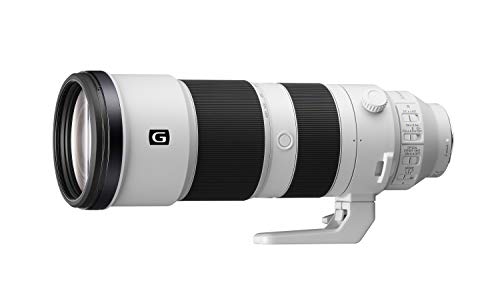
Sony FE 200-600mm f/5.6-6.3 G OSS Super Telephoto Zoom Lens
- High-resolution G lens: Sharp images across zoom range
- 5x ED glass elements: Reduces flare and ghosting
- Fast, quiet autofocus: Direct drive Supersonic Wave Motor
As an affiliate, we earn on qualifying purchases.
As an affiliate, we earn on qualifying purchases.
The Background Blur Difference You Can Actually See
Full-frame makes shallow depth of field easier when you match framing and aperture. If you shoot the same portrait from the same composition, full-frame usually lets the background melt more because you use a longer focal length or stand closer for the same framing.
Say you photograph a friend under a row of autumn trees. A full-frame camera with an 85mm f/1.8 can turn the leaves into soft orange coins, while APS-C with a similar framing may keep a little more bark and branch texture.
Another way to picture it: full-frame gives you a bigger paintbrush for blur. At the same portrait size in the frame, it is easier to smear a messy fence, parked cars, or a busy cafe wall into something gentle instead of distracting.
That extra depth is not a flaw. For macro work, product photos, landscapes, and travel scenes, APS-C depth of field can help you keep more of the subject sharp without stopping down so far that shutter speed suffers.
The Lens System Choice That Saves You Regret
Full-Frame vs APS-C: What Actually Matters for Your Photography often comes down to lenses, not bodies. A camera body may age quickly, but good glass shapes your color, contrast, handling, and shooting options for years. Pick the system that gives you the lenses you will use weekly.
Full-frame systems usually offer more professional zooms, fast primes, and specialty lenses. APS-C systems can be wonderfully lean, but some brands give crop-sensor users fewer native wide-angle or fast zoom choices, which matters if you shoot events, interiors, or night work.
Buy the lenses for your real week, not your fantasy portfolio. If you photograph kids indoors, a fast normal prime matters more than a giant telephoto you use twice a year.
For example, a parent who mostly photographs breakfast tables, living-room forts, and school concerts may get more from a small 23mm or 35mm prime than from an impressive wildlife zoom. A hiker who sees deer at dawn may make the opposite choice and build around a light telephoto first.
A practical test: write down your last 20 favorite photos. If most were made at wide angles indoors, full-frame may feel freeing. If most were distant birds, soccer, travel details, or hiking scenes, APS-C may fit your habits better.
A Simple Buying Process That Keeps You Honest
The best way to choose is to match the sensor to your subjects, light, lenses, and carrying style. Specs help, but your shooting patterns tell the truth faster. Use this short process before you spend money on a body that solves the wrong problem.
- List your main subjects: portraits, travel, wildlife, family, video, events, macro, or landscapes.
- Check your light: bright daylight, indoor lamps, stage light, gyms, blue-hour streets, or mixed conditions.
- Name your must-have lenses: one wide, one normal, one portrait or telephoto choice.
- Weigh the whole kit: body plus the lenses you would actually carry.
- Rent or borrow once: shoot one normal day and notice what annoys you.
I have seen beginners buy full-frame because it felt serious, then leave it home because the bag felt heavy. I have also seen APS-C shooters hit a wall with dim venues and fast paid work. Both stories are real.
What Changes for Video, Prints, and Everyday Work
Both formats can make professional-looking video and large prints, especially with modern sensors above 24MP. Full-frame often gives smoother low-light footage and easier background blur, while APS-C can give sharper reach, lighter handheld rigs, and simpler lens balance.
For video, check the camera’s actual recording modes before judging by sensor size. Some full-frame cameras crop in 4K; some APS-C cameras read the full sensor cleanly. According to CIPA shipment reporting, mirrorless systems now drive much of camera development, so both formats receive serious autofocus and video tools [2].
For prints, technique often beats format. A sharp APS-C file with good light, steady hands, and careful editing can look beautiful at 16 x 24 inches. A sloppy full-frame file still looks sloppy, just with more expensive blur.
Frequently Asked Questions
Is full-frame always better than APS-C?
No. Full-frame is better for some jobs, especially low light, shallow depth of field, and wide-angle work. APS-C is better for other needs, including reach, portability, and lighter everyday shooting.
Will APS-C image quality be good enough for serious photography?
Yes. Modern APS-C cameras can produce excellent files for prints, client work, travel, family photography, and online use. You will notice the limit most in very low light, heavy cropping, or aggressive shadow recovery.
Do full-frame lenses work on APS-C cameras?
Often, yes, if the mount supports it. A full-frame lens on APS-C uses the crop factor, so a 35mm lens frames more like 52mm to 56mm. Check mount compatibility before buying.
Should a beginner start with full-frame or APS-C?
Most beginners should start with the format that feels comfortable and leaves room for one or two good lenses. APS-C is often easier to carry and learn with. Full-frame makes sense if you already know you need low-light performance or shallow portrait blur.
Does sensor size matter more than the lens?
Usually, no. The lens affects framing, sharpness, blur, close focus, and handling every time you shoot. Sensor size matters, but a well-chosen lens on APS-C can beat the wrong lens on full-frame in real photographs.
Conclusion
Choose the sensor that removes friction from your photography. If full-frame helps you shoot clean files in dark rooms and make portraits with creamy backgrounds, use it. If APS-C gets you outside more often with a lighter bag and longer reach, that is the better tool.
The best camera is the one that makes you raise it when the light turns gold, the street gets quiet, and the photograph appears for half a second.
Summer Picks
summer essentials
As an affiliate, we earn on qualifying purchases.