
TL;DR

Get audio and creator gear delivered free with Prime
- Fast, free delivery on millions of items
- Prime Video, Amazon Music and more included
- Member-only deals all year
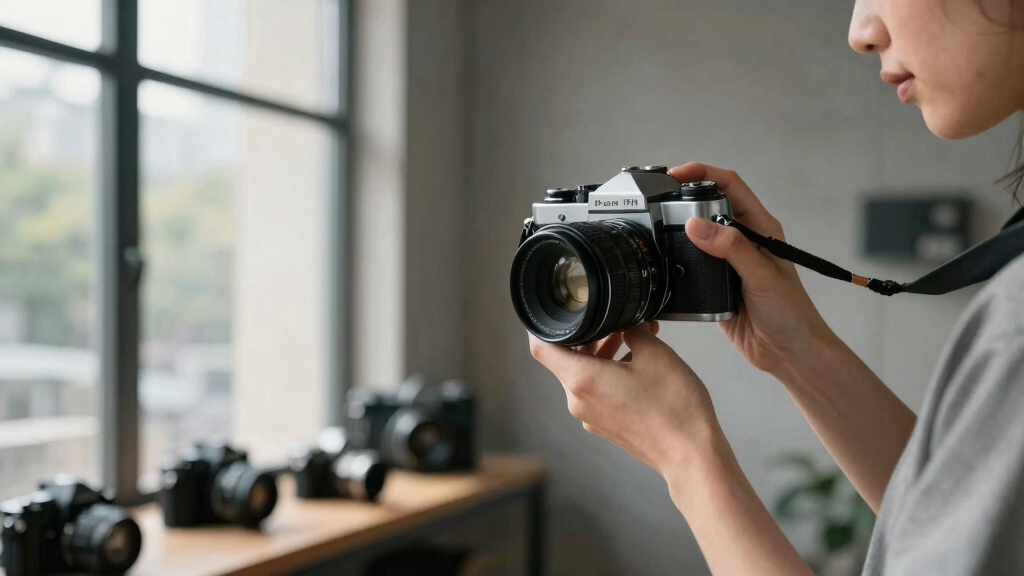
Keeping your old camera makes sense when it remains reliable, supports the photographs you enjoy making, or gives you a creative experience your newer equipment cannot match. Test it with a real shoot, repair modest faults when practical, and upgrade only when a specific limitation repeatedly costs you photographs.
Your old camera did not become worse on the morning a newer model appeared. Its autofocus did not slow overnight, its sensor did not shed pixels, and its shutter did not forget the photographs it made last week. Yet the polished launch videos and glowing specification sheets can make a perfectly capable camera feel like a dusty tool from another age.
I have worked with cameras that looked modest beside the newest bodies but behaved beautifully where it counted. One older DSLR, its grip polished smooth by years of use, gave me dependable files through a cold, wet assignment while a newer camera remained tucked safely in the bag. That experience reinforced a lesson you may already sense: familiar equipment can be more useful than impressive equipment you have not learned to trust.
This guide gives you a practical test for keeping your old camera, whether it uses film, an early digital sensor, or a mechanical shutter that snaps like a tiny mousetrap. You will learn how to separate real limitations from upgrade anxiety, weigh repair against replacement, and fit an older body into a modern workflow. The goal is not nostalgia for its own sake. It is to help you keep the right camera for your actual photography.
Test your old camera on the subjects and in the light you regularly photograph before comparing specifications.
Record repeated failures for a month; upgrade only when a camera limitation, rather than technique, keeps costing you photographs.
Try batteries, cleaning, light seals, or a focused repair before replacing a familiar and otherwise dependable body.
Give every retained camera a clear role: active tool, backup, teaching camera, personal project camera, or preserved family object.
Choose newer equipment when autofocus, high-ISO output, video, reliability, or required file size creates a measurable need.
The Case for Keeping Your Old Camera
Your camera did not become worse when a new model appeared. Keep it when it remains dependable, supports the photographs you enjoy making, or offers a creative experience newer equipment cannot match.
Why the old body may still be the right tool
Image quality comes from the whole photographic chain: light, timing, lens choice, exposure, composition and technique. Camera age is only one part of that system—and often not the most visible one.
Known in your hands
You know the dependable focus point, the useful shadow range and the exact pressure the shutter button needs. Familiarity reduces hesitation when the moment arrives.
Enough detail is enough
A well-exposed 12- or 16-megapixel file can make a handsome print. More resolution helps large output and heavy crops, but it cannot repair flat light or missed timing.
Useful creative friction
Direct controls, slower bursts and manual focus can sharpen attention. The goal is not difficulty for its own sake; it is a process that helps you see more clearly.
A look with a history
Film grain, distinctive flare, restrained contrast and older lens rendering can give a project a visual language that is difficult to recreate with presets alone.
No replacement pressure
Keeping a proven body preserves budget for lenses, lighting, travel, printing or education—investments that may change the photographs more meaningfully.
Use what already exists
Extending equipment life reduces electronic waste and delays new manufacturing. A modest repair can preserve both a useful tool and its embodied resources.
Test the camera before you spend
Specifications describe potential. A familiar assignment reveals whether a limitation actually matters to your photography.
Inspect the body and lens
Check the mount, contacts, controls, seals, battery compartment, shutter, aperture and glass for damage or contamination.
Shoot your normal subjects
Use the light, movement, lenses and working pace that define your real photography—not an artificial stress test.
Review at final output
Judge prints, delivered files or normal screen sizes. Do not let extreme magnification invent a problem your audience will never see.
Log failures for one month
Separate camera faults from technique. Repeated missed photographs matter; a single difficult frame may not justify replacement.
Keeping versus upgrading
One body can be capable and unsuitable at the same time. Match the camera to the assignment rather than treating age as a fault.
| What you compare | Keep the old camera | Move to a newer camera |
|---|---|---|
| Controls | ✓Familiar buttons and menus reduce hesitation. | ~New shortcuts may help after a learning period. |
| Image quality | ✓Often ample in good light and at moderate print sizes. | ✓Cleaner high-ISO files and more room to crop. |
| Autofocus | ~Predictable for subjects you already know how to track. | ✓Better eye, animal and vehicle detection. |
| Reliability | ~Known history, though seals and moving parts can wear. | ✓Fresh components, warranty and current batteries. |
| Workflow | ✓Smaller files can be faster to store, transfer and edit. | ~Larger files and formats may require more storage. |
| Video | ✗Older bodies may lack stabilization, codecs or monitoring tools. | ✓Stronger autofocus, recording options and heat management. |
Where an older camera still shines
This qualitative profile reflects typical suitability, not a laboratory score. Condition, lens choice and technique remain decisive.
A garden portrait may ask little more than dependable focus and a good lens. A dim basketball game can expose limited focus coverage, burst speed and high-ISO performance immediately.
From doubt to a defensible decision
Use a connected process so the decision follows evidence rather than launch-day anxiety.
Inspect
Check condition, batteries, seals, lens and controls.
Shoot
Photograph normal subjects in familiar conditions.
Review
Judge the files at the size you actually use.
Repair
Try cleaning, batteries, seals or a focused fix.
Assign a role
Keep, back up, teach, preserve—or replace with purpose.
Repair modestly. Upgrade specifically.
Nostalgia can justify preserving an object, but active photographic use needs a practical role and dependable operation.
Keep it when…
- It remains reliable on the subjects you regularly photograph.
- The files meet your actual print, delivery and cropping needs.
- Its controls or rendering support a distinct creative process.
- A modest repair restores an otherwise dependable camera.
- It has a defined role as an active tool, backup, teaching body, project camera or family object.
Upgrade when…
- Autofocus failures repeatedly cost important photographs.
- High-ISO noise prevents required indoor or low-light work.
- Video features, silent operation or stabilization are essential.
- Reliability is uncertain and repair approaches replacement cost.
- Clients or output requirements demand measurably larger files.
Upgrade for a repeated limitation—not for the feeling that your camera has become old.
Why Your Old Camera May Still Make Every Photograph You Need
The case for keeping your old camera begins with a simple fact: image quality depends on the whole photographic chain, not the age printed on a specification sheet. Light, timing, lens choice, exposure, and composition usually shape the result more visibly than a modest difference between camera generations.
Imagine photographing a friend beside a north-facing window. Soft light rolls across the face, the background falls gently out of focus, and the expression arrives at exactly the right second. A well-exposed file from a 12- or 16-megapixel camera can make a handsome print because the photograph succeeds before pixel counting begins. More resolution helps with heavy cropping and very large output, but it cannot repair flat light or a missed moment.
Older cameras can also be wonderfully predictable. You know how far you can lift the shadows, which autofocus point behaves best in dim rooms, and how the shutter button feels just before it fires. That knowledge is a map drawn into your hands. A newer body may offer faster subject recognition, yet unfamiliar menus or changed controls can briefly make you slower.
A camera is current when it still serves your work. A launch date measures age, not usefulness.
It depends on what you photograph. A ten-year-old body may remain excellent for landscapes, portraits, still life, family trips, and daylight street work. Fast birds, indoor sports, silent theatre work, or demanding video can expose genuine gaps. The useful question is not whether a newer camera performs better; it is whether your camera blocks photographs you regularly attempt.
As an affiliate, we earn on qualifying purchases.
How an Older Camera Can Make You a More Deliberate Photographer
The case for keeping your old camera grows stronger when its limitations make you pay closer attention. Fewer autofocus modes, slower bursts, and direct controls encourage you to read the light, choose your moment, and commit instead of spraying frames and sorting out the photograph later.
With a manual film camera, you may set the aperture, match the shutter speed to the meter, focus, and wait. A roll of 36 exposures changes the rhythm. The shutter sounds once in a quiet street, crisp as a snapped twig, and you ask whether the next frame adds anything. That small pause often cleans up composition because you start watching the edges before you press the button.
The same lesson applies to older digital bodies. Turn off image review for an afternoon, choose one prime lens, and limit yourself to 50 frames. On a walk through a market, you will notice red peppers glowing beneath canvas shade, steam lifting from a food stall, and hands exchanging coins. The camera stops acting like a collection machine and becomes a reason to observe.
Manual practice also makes modern automation easier to control. Once you understand why 1/60 second blurs a walking subject while 1/500 second freezes a quick gesture, you can choose smarter settings on any body. Many photographers and enthusiasts cherish old controls for this reason: they expose the bones of photography. The camera asks more of you, but it also teaches more.
Do not confuse friction with virtue, though. Missed focus is not automatically artistic, and paying for film does not make every frame meaningful. Keep the older camera when its slower process helps your attention; use a newer one when speed protects the moment. Deliberate is useful, delayed is not.
As an affiliate, we earn on qualifying purchases.
What You Gain—and Give Up—When You Keep the Camera You Know
Keeping your old camera gives you familiarity, lower replacement pressure, and a proven image-making tool, but you may give up newer autofocus, stronger high-ISO files, and modern video features. The right choice comes from matching real shooting needs to the tradeoffs, not treating age as a fault by itself.
| What you compare | Keeping the old camera | Moving to a newer camera |
|---|---|---|
| Controls | Familiar buttons and menus reduce hesitation | New shortcuts may help after you learn them |
| Image quality | Often ample in good light and at moderate print sizes | Cleaner high-ISO files and more cropping room |
| Autofocus | Predictable for subjects you already know how to track | Better eye, animal, and vehicle detection |
| Reliability | Known history, though age can bring worn parts | Fresh components, warranty, and newer batteries |
| Workflow | Files may be smaller and faster to store or edit | Larger files and newer formats may need more storage |
Consider a photographer making family portraits in a shaded garden. An older DSLR with a reliable center focus point and an 85mm lens can produce warm, detailed files without strain. Give that same camera a basketball game in a dim school gym, and its limited focus coverage or noisy high-ISO output may become the weakest link. One body can be capable and unsuitable at the same time.
File size deserves more attention than it gets. A newer high-resolution body can create files two or three times larger than those from an older camera, filling cards, drives, and cloud storage like water rushing into a small bucket. More detail can help commercial crops or large prints, while smaller files can make an everyday workflow faster.
This comparison also applies to film. A mechanical camera may work without a battery apart from its meter, which can be valuable on a cold hike or long trip. Yet film purchase, processing, scanning, and uncertain repairs add ongoing friction. The best choice fits the assignment, not an argument about old versus new.
digital camera batteries replacement
As an affiliate, we earn on qualifying purchases.
As an affiliate, we earn on qualifying purchases.
How to Test Your Old Camera Before You Spend Money
- Inspect the body and lens. Look for battery corrosion, sticky controls, damaged seals, haze, fungus, and oily aperture blades.
- Test every core function. Check autofocus, manual focus, metering, card writing, flash sync, shutter speeds, and both control dials.
- Shoot one realistic assignment. Photograph the subject and light you face most often, not a bookshelf under perfect conditions.
- Review the failures. Separate camera limits from technique, lens choice, poor settings, or weak light.
- Price the smallest sensible fix. Compare cleaning, a replacement battery, or a repair with the real benefit of another body.
Test your old camera through a complete shoot before deciding whether to replace it. A practical session reveals more than casual handling because it checks reliability, image quality, battery life, and workflow under the conditions that matter to you.
For a digital body, photograph a moving person outdoors, a face near a window, and a dim room at several ISO settings. Make at least one print or inspect the files at the size you actually deliver. Staring at 200% magnification can turn harmless texture into a roaring sandstorm, while an A4 print may look clean and detailed.
For a film camera, run a fresh roll through every commonly used shutter speed and aperture. Photograph a brick wall or tiled surface to reveal frame-spacing trouble, light leaks, focus errors, and uneven exposure. Bright orange streaks along an edge may point to tired seals; repeated pale bands can suggest shutter trouble. One diagnostic roll is cheaper than trusting an untested body on a holiday.
I also recommend writing down every missed photograph for a month. If you repeatedly record notes such as focus lost the runner, battery died before lunch, or client needs larger crops, you have evidence for change. If your notes mostly say forgot to raise shutter speed or stood in the wrong place, a new body will not fix the real problem. Upgrade from evidence, not restlessness.
As an affiliate, we earn on qualifying purchases.
When Repairing an Old Camera Is the Smarter Choice
The case for keeping your old camera is strongest when a modest repair restores a tool you already trust. Replacing light seals, cleaning contacts, servicing a stiff focus mechanism, or buying a healthy battery can return years of useful work without forcing you to replace lenses, accessories, and habits.
A film camera with crumbling foam seals may leave rusty red streaks across every frame, but the body itself can still be sound. Fresh seals can turn that unreliable box into a tidy travel companion. A digital camera that shuts down early may need a battery rather than a body, especially when the original cell has endured hundreds of charge cycles and years in a warm drawer.
Repair makes less sense when corrosion has spread through electronics, replacement parts no longer exist, or the quoted work approaches the cost of a dependable alternative. Some early digital cameras also rely on obsolete cards, cables, or batteries that make routine use awkward. Sentimental value can justify preservation, but it does not automatically justify using the camera for a paid assignment.
- Repair it when the fault is known, parts are available, and the camera fills a real role.
- Retire it gently when repair is uncertain but the camera carries family history.
- Replace it when recurring failures threaten photographs you cannot repeat.
Ask the technician for the fault, available parts, expected turnaround, and what the service does not cover. A shutter replacement may solve inconsistent exposure but leave an aging rear dial untouched. That is not a reason to panic; it is a reason to understand the boundary of the work. A clear repair estimate is a photographic decision tool.
Many classic mechanical cameras gained their reputation through sturdy metal bodies and serviceable parts [1]. Yet age does not grant immunity: dried lubricants, hardened rubber, and impact damage still matter. Treat a vintage camera like an old bicycle—solid steel can last, but bearings and brakes still need attention.
How Old Cameras Add Character Without Becoming a Gimmick
Old cameras can add visual character through their lenses, recording medium, handling, and limitations, but the effect works best when it supports the story. Film grain, lower contrast, flare, or imperfect corners should act like seasoning in a meal: noticeable enough to shape the experience, never so heavy that it hides the subject.
An older uncoated or simply coated lens may soften highlights when afternoon sun skims the front element. In a portrait among tall grass, that flare can wash the frame with pale gold and give the scene a hazy, remembered feeling. Use the same lens for small product lettering, and its lower contrast may become a nuisance. Character is context-dependent.
Film brings its own physical qualities. Grain clusters, highlight roll-off, and color response change with stock, exposure, development, and scanning [2]. A rainy street recorded on black-and-white film can hold silver reflections and rough shadows like charcoal rubbed into paper. Yet calling all film organic or timeless flattens the differences between formats, emulsions, labs, and technique.
The camera can shape your behavior as strongly as it shapes the file. Looking down into a waist-level finder changes how you meet a stranger; the camera rests at your chest instead of covering your face. A quiet rangefinder can make a small room feel less like a set. The tool changes the conversation, and the conversation changes the photograph.
You can also build a hybrid workflow. Shoot selected personal work on film, scan the negatives, and finish the sequence beside digital files. Adapt an older manual lens to a compatible digital body when the mount and flange distance permit it, checking infinity focus and adapter quality first. According to PhotoMocha [2], modern adapters and mixed film-digital workflows have helped older equipment remain creatively useful. Old and new can share the same camera bag.
Why Keeping One More Camera Can Reduce Waste—and Clutter
Keeping your old camera can reduce waste when continued use replaces an unnecessary purchase, but storing broken gear forever is not the same as sustainable use. The sound approach is to use, repair, pass on, donate, recycle, or preserve each item with a clear purpose.
Cameras combine metals, glass, plastics, circuit boards, batteries, adhesives, and packaging. Extending the working life of an existing body avoids demanding another unit solely because of fashion or a minor specification bump. The greenest-looking choice is not always the newest efficient device; sometimes it is the scratched camera already on your shelf.
There is a catch. A cupboard packed with unused bodies, swollen batteries, and mystery chargers does little good. I have opened old camera bags that smelled of damp canvas and leaking cells, with corroded contacts hidden beneath a grey crust. Remove batteries before long storage, keep gear dry, and never use a battery that is swollen, cracked, hot, or leaking. Take damaged lithium-ion batteries to an approved collection point rather than placing them in household rubbish.
Give each camera a job. Your older DSLR might become the body you carry on wet walks, while your mechanical film camera handles one personal project each winter. A working compact could go to a student or family member. Keeping your old gear should preserve usefulness, not turn your home into a waiting room for dead electronics.
Enthusiasts cherish old equipment because cameras can hold family history as well as mechanical value. The compact that photographed your childhood may deserve a clean display shelf even if repair is impossible. That choice serves memory rather than production, and it is honest. Not every camera must earn its place through output.
Frequently Asked Questions
How old is too old for a digital camera?
A digital camera is too old when reliability, file quality, or missing features repeatedly prevent the work you want to make. A well-kept older body can remain useful for portraits, landscapes, travel, and family photographs long after support ends. Check battery availability, card compatibility, shutter condition, and whether your editing software still reads its files.
Can an old camera still produce professional-quality photographs?
Yes, an old camera can produce professional-quality results when its resolution, focus performance, and reliability match the assignment. A controlled portrait session asks far less of autofocus than a fast indoor sport. Clients and viewers see the photograph, while you carry the responsibility for choosing the right tool for the job.
Is repairing a film camera worth it?
Repair is worthwhile when the fault is identifiable, parts or service remain available, and you expect to use the camera. Ask for a written estimate and test inexpensive causes such as batteries or seals first. A sentimental camera may also deserve preservation even when regular use would not justify the repair.
Should I keep my old camera after buying a new one?
Keep it if it can serve as a dependable backup, travel body, teaching tool, or dedicated project camera. Before storing it, remove the battery, clean the body, and assign it a specific role. If it sits untouched for a year and carries no personal meaning, passing it to another photographer may be more useful.
Are mechanical cameras more reliable than electronic cameras?
Some mechanical cameras can fire without batteries and remain repairable for decades, but mechanical does not mean maintenance-free. Lubricants dry, shutters drift, seals crumble, and impacts bend parts. Electronic cameras have different weak points, so condition and service history tell you more than the mechanism alone.
What should I check before using a camera that has been stored for years?
Inspect the battery compartment, lens, shutter, seals, controls, card slot, and viewfinder before trusting the camera. Replace suspect batteries and test the body with a non-critical roll or memory card. If you see corrosion, fungus, smoke, heat, or a swollen cell, stop and seek qualified help.
Does keeping an old camera really help the environment?
Continued use can reduce demand for another manufactured device and keep working equipment out of the waste stream. The benefit is strongest when you use or pass on the camera, not when you simply collect broken electronics. Recycle unusable bodies and batteries through suitable local programs.
Conclusion
Keep your old camera if it still helps you see. Give it one honest assignment, review the results at a useful size, and judge the missed frames rather than the launch date. If a repeated technical limit stands between you and the work, replace the body without guilt. If the photographs still sing, keep shooting.
A good camera becomes familiar in quiet ways: the worn thumb rest, the firm turn of a dial, the exact click that tells you the frame is made. Specifications will keep marching forward, bright and noisy as a parade. Your task is simpler. Carry the camera that lets you notice the last stripe of evening light before it slips from the wall.
Halloween Picks
halloween
As an affiliate, we earn on qualifying purchases.



![Nancy 10/13/26 [Nancy]](https://photomocha.com/wp-content/uploads/2026/10/nancy-10-13-26-nancy-featured-260x140.jpg)