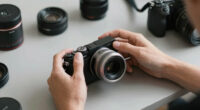
TL;DR

Get audio and creator gear delivered free with Prime
- Fast, free delivery on millions of items
- Prime Video, Amazon Music and more included
- Member-only deals all year
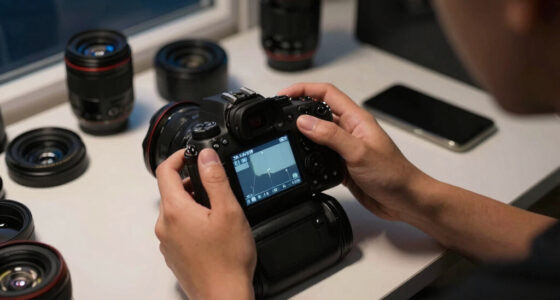
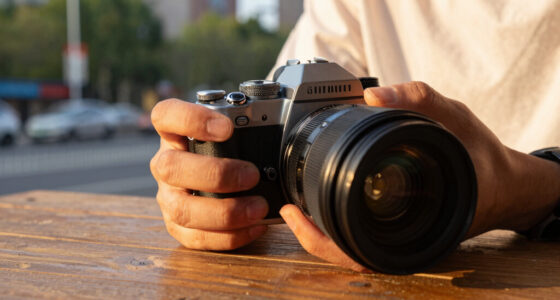
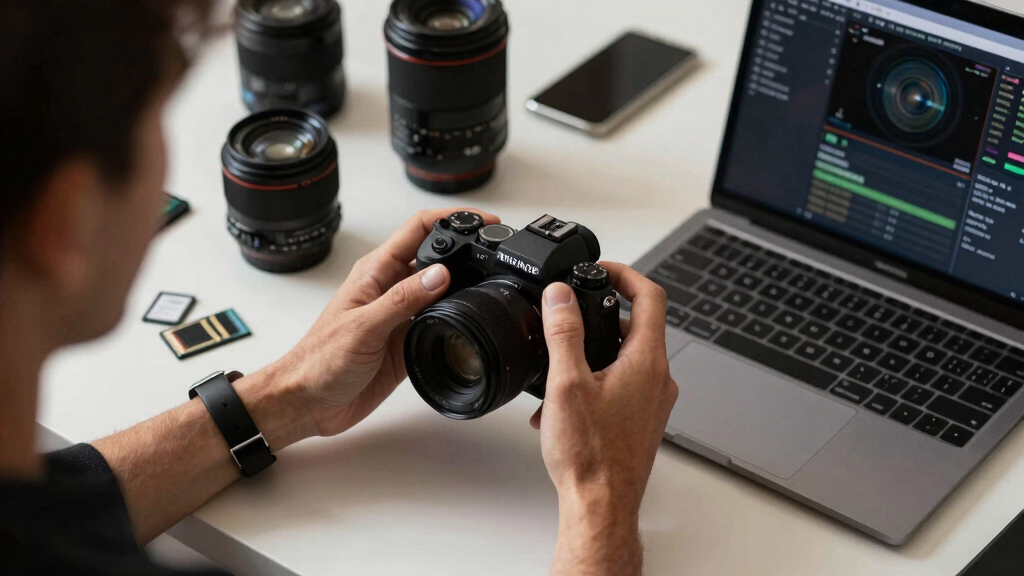
Choose your first serious camera by budgeting for the full kit: body, lens, memory card, spare battery, and a simple bag. For most beginners, an APS-C mirrorless or DSLR with a kit zoom gives the best mix of control, image quality, and room to grow without draining the lens budget.
The fastest way to overspend on a camera is to buy the body first and think about the lens later. I have watched beginners walk out with a shiny camera, then realize they still need a memory card, spare battery, bag, and, sooner than expected, a better lens.
You do not need a studio-grade setup to make sharp portraits, rich travel images, or clean family photos in soft evening light. You need manual controls, a camera that feels good in your hands, and a system that leaves money for practice, not just hardware.
This guide shows you how to choose your first serious camera without overspending, using the same practical lens I use on real shoots. No product rankings, no hype, just the choices that actually change your photographs.
Budget for the full setup, not just the body: lens, memory card, battery, strap, and protection all affect the real cost.
APS-C is the best starting sensor size for many beginners because it balances image quality, lens size, and long-term cost.
A kit zoom is not a failure; it teaches focal length, framing, and subject distance before you buy specialized lenses.
Pay for manual controls, dependable autofocus, and a healthy lens system before chasing extreme megapixels or pro-only features.
Used and refurbished gear can be smart, but only when the return policy, condition notes, and hands-on checks are solid.
How to Choose Your First Serious Camera Without Overspending
TL;DR: Budget for the full working kit: body, lens, memory card, spare battery, strap, and a small protective bag. For most beginners, an APS-C mirrorless or DSLR with a kit zoom gives the best mix of control, image quality, and room to grow.
The fastest way to overspend is buying the body first and thinking about the lens later.
A realistic starter setup with body and kit lens often fits here before accessories.
Keep part of the budget for cards, battery, bag, and the first useful upgrade.
Strong image quality without forcing full-frame lens costs.
Learn framing, focal length, distance, and light before specializing.
Manual exposure modes matter more than extreme megapixels.
Worth considering only with clear condition notes and a return window.
Buy the camera bag, not just the camera body.
A body cannot solve the practical problems that stop you from shooting. A slow card, one battery, or an awkward carry setup can make a good camera feel frustrating before you even learn it.
The beginner budget stack
Treat the camera body as the stove, not the whole meal. You still need the pan, oil, salt, and something worth cooking: lens, light, storage, power, and practice.
Choose the camera type you will actually carry.
Mirrorless is where most development is happening, but DSLRs can still be a strong value. The winner is the system that fits your hand, your bag, your battery habits, and the lenses you may add over five years.
Compact, modern, autofocus-rich
Great for travel, family, street, and hybrid photo-video work. Plan for extra batteries and check lens prices before buying.
Value lenses and longer shooting days
Often cheaper used, comfortable to hold, and strong for fundamentals. Live-view autofocus and video may feel older.
Easy carry, limited growth
Convenient for travel and daily walks, but fixed lenses can become frustrating once you want more control.
Let the first lens teach you before you buy more.
Do not rush past the kit zoom. It teaches focal length, subject distance, framing, and what you actually photograph. Your second lens should answer a real problem, not a forum trend.
Hold it
Choose a grip and size you can carry for hours without leaving it behind.
Budget kit
Buy body, lens, card, battery, and bag as one working setup.
Shoot real life
Use the kit zoom for portraits, travel, pets, food, and evening walks.
Find friction
Notice whether you need low light, reach, wider views, or faster focus.
Upgrade once
Buy the lens or accessory that fixes the problem you can now name.
Features worth paying for versus features that can wait.
Spend on controls, autofocus, lens ecosystem, and handling. Be skeptical of specs that sound impressive but do not change your portraits, travel images, or family photos yet.
| Feature | Beginner value | Overspend risk | Buy now? |
|---|---|---|---|
| Manual controls | Teaches aperture, shutter speed, ISO, and creative exposure. | Low; essential for growth. | ✓ |
| Dependable autofocus | Keeps people, pets, and moving subjects sharp more often. | Moderate; avoid paying for pro sports levels. | ✓ |
| Extreme megapixels | Useful for heavy cropping and large prints, less vital at first. | High; can inflate storage and body cost. | ✗ |
| 4K video | Now common on beginner-friendly models and helpful for hybrid use. | Moderate; only pay extra if video matters. | ~ |
| Healthy lens system | Protects your long-term upgrade path better than one flashy body. | Low; lenses shape the system. | ✓ |
| Full-frame sensor | Beautiful files and blur, but lenses often become the real expense. | High for casual portraits, travel, and family work. | ~ |
The practical chain that prevents buyer’s remorse.
Every smart camera choice connects back to the same question: will this make me shoot more often, with more control, in the light I actually use?
Return window first
Used and refurbished gear can save money when seller photos, condition notes, shutter count, and returns are clear.
Match your light
APS-C is the beginner sweet spot for evening walks, family gatherings, travel, and portraits without oversized lenses.
Buy from friction
Upgrade only after you know whether you need a portrait prime, a tripod, more reach, wider views, or better storage.
Set a Budget That Covers the Whole Camera Bag
How to Choose Your First Serious Camera Without Overspending starts with a budget for the complete working kit, not just the camera body. Plan for a body, starter lens, card, battery, strap, and protection before you compare specs. According to PhotoMocha, a capable beginner setup with a kit lens often fits the $500-$800 planning band [1].
The reason this matters is simple: a camera body cannot solve the practical problems that stop you from shooting. A weak card can slow you down, one battery can end a day early, and an awkward bag can make the camera feel like a chore. The cheapest mistake is usually not buying too little camera; it is buying a camera that leaves no room for the small things that make practice easy.
I like to treat the camera body as the kitchen stove, not the whole meal. A great stove helps, but you still need a pan, oil, salt, and something worth cooking. In camera terms, that means your lens choice, light, and shooting habit matter as much as the logo on the front.
- Body plus kit lens: your main learning tool for portraits, travel, and everyday scenes.
- One fast memory card: enough for stills and basic 4K video without slow write errors.
- Spare battery: especially useful for mirrorless cameras, cold weather, and long family days.
- Small protective bag: less glamorous than a lens, but cheaper than repairing a cracked screen.
Here is the real-world trap: you stretch for the more expensive body, then shoot through the cheapest lens you can find. Your files look flat, your indoor photos smear with noise, and the camera gets blamed. Keep 20-30% of your budget free for the parts that make the camera usable. That reserve also gives you flexibility after the first month, when you know whether you actually need a portrait prime, a tripod, more storage, or simply more time learning the camera you already own.
entry level APS-C mirrorless camera kit
As an affiliate, we earn on qualifying purchases.
As an affiliate, we earn on qualifying purchases.
Choose the Camera Type You Will Actually Carry
The best first serious camera is the one you will bring when the light gets good. Mirrorless cameras offer compact bodies, strong autofocus, and modern video tools, while DSLRs can offer longer battery life and plentiful used lenses. Compact cameras and smartphones work for some people, but they limit your growth in manual control.
| Camera type | Best for | Main tradeoff |
|---|---|---|
| Mirrorless | Travel, family, street, hybrid photo and video work | Battery life can be shorter, and some lenses cost more |
| DSLR | Learning fundamentals, longer shooting days, used-lens value | Bigger bodies and older autofocus in live view |
| Compact camera | Light carry, pockets, casual travel | Less room to grow with lenses and controls |
| Smartphone | Daily snapshots and quick sharing | Less control over lens choice, depth of field, and low-light files |
The tradeoff is not only technical. A mirrorless camera may give you easier focus on eyes and cleaner video, but shorter battery life means you may need to carry spares and think about charging. A DSLR may feel more solid and economical, especially used, but its size can quietly reduce how often you take it with you. A compact camera is wonderfully convenient, yet the fixed lens can become frustrating once you know exactly what kind of image you want but cannot change the glass.
On paid portrait days, I care less about spec sheets than about whether the camera disappears in my hands. If you hike, chase children, or shoot city streets for three hours, size and grip comfort matter. A camera left at home has perfect image quality and zero photographs.
Recent camera development favors mirrorless systems, with better eye-tracking autofocus, subject detection, and built-in connectivity showing up in beginner-friendly bodies [2]. That does not make DSLRs bad. It means you should compare today’s upgrade paths before you buy into a system. If you want to add lenses slowly over five years, the system around the camera matters more than the body on sale this weekend.
best beginner DSLR camera with kit lens
As an affiliate, we earn on qualifying purchases.
As an affiliate, we earn on qualifying purchases.
Pick a Sensor Size That Matches Your Light
How to Choose Your First Serious Camera Without Overspending often comes down to sensor size, because the sensor shapes low-light quality, background blur, and lens cost. APS-C is the sweet spot for many beginners: bigger than most phone sensors, smaller and cheaper than full-frame, and strong enough for prints, portraits, and travel [1].
Think of the sensor like a window. A larger window catches more evening light, so the room feels brighter before you switch on a lamp. In photography, that usually means cleaner shadows, smoother tones, and more flexible files when you shoot at ISO 1600 or ISO 3200.
The implication is that sensor size affects the whole system, not just the image file. Full-frame can give you more blur and more low-light headroom, but the lenses that make full-frame shine are often the expensive part. APS-C asks for a little more care in very dark rooms, yet it rewards you with lighter lenses, lower costs, and a kit you are more likely to carry on ordinary days.
Full-frame cameras can look beautiful, especially for weddings, concerts, and shallow-depth portraits. But the lenses are often larger, heavier, and more expensive. If your main scenes are weekend walks, family gatherings, food, pets, and travel, APS-C gives you plenty of room to grow without turning every lens purchase into a major event.
Here is a simple test: imagine photographing a friend at dusk under cafe lights. If you want soft backgrounds and clean skin tones, a serious interchangeable-lens camera helps. If you mostly post midday vacation photos, your money may work harder in a better lens or photography course than in a bigger sensor. The point is not to buy the largest sensor you can afford; it is to buy the sensor that fits the light you actually photograph.
used refurbished mirrorless camera
As an affiliate, we earn on qualifying purchases.
As an affiliate, we earn on qualifying purchases.
Let the First Lens Teach You Before You Buy More
How to Choose Your First Serious Camera Without Overspending means buying one useful lens before chasing a shelf full of glass. A basic 18-55mm kit zoom can teach framing, perspective, and focal length better than a bag of specialized lenses you barely understand. Start broad, then let your favorite subjects point to the next lens.
I have shot strong images with modest kit lenses in soft window light, rain-dark streets, and bright kitchens full of steam. At 18mm, you can show the whole room. Around 35mm, you get a natural everyday view. Near 55mm, faces begin to look calmer and less stretched.
That learning matters because lenses do not only change how close things appear. They change how you stand, what you include, how backgrounds behave, and how much light reaches the sensor. A kit zoom may not give you the creamiest blur or the brightest aperture, but it teaches you which compromises bother you in real photographs. That is better evidence than buying a fast prime because someone else loves it.
After a few months, your pattern will reveal itself. If you keep photographing people indoors, a small prime lens with a wide aperture may help more than a new body. If you keep photographing birds from far away, you need reach. If you love landscapes, a tripod might beat another zoom.
Buy the lens for the photographs you keep trying to make, not for the photographs a stranger on a forum says you should want.
A lens kit is like a small set of paintbrushes. You do not need every brush on the wall; you need the one that lays down the line you keep seeing in your head. Let your own images, especially the frustrating ones, guide the next purchase. Frustration is useful here: blurry indoor portraits point toward aperture or technique, distant wildlife points toward focal length, and flat travel images may point toward better light rather than more gear.
camera accessories bundle for beginners
As an affiliate, we earn on qualifying purchases.
As an affiliate, we earn on qualifying purchases.
Pay for Features That Help You Learn Faster
The features worth paying for are the ones that help you control light, focus, and timing. Look for manual exposure controls, reliable autofocus, a clear viewfinder or screen, and a lens system with room to grow. Skip bragging-right specs if they do not solve a problem you actually face.
- Manual controls: aperture, shutter speed, and ISO let you move beyond automatic mode.
- Good autofocus: eye detection and subject tracking help with children, pets, events, and self-portraits.
- 4K video: now common on many entry-level models, useful if you shoot reels, family films, or hybrid projects [2].
- Wi-Fi or Bluetooth: handy for quick transfers, remote shooting, and checking focus on a larger screen.
- Lens ecosystem: a healthy lens lineup matters more than a flashy body feature you may use twice.
Each of those features has a learning consequence. Manual controls teach cause and effect: open the aperture, blur the background; slow the shutter, invite motion; raise ISO, accept more noise. Good autofocus gives you more usable practice shots, which matters because you learn faster from a sharp image with imperfect composition than from a technically failed file. Connectivity sounds minor, but quick transfers can keep you reviewing your work while the lesson is still fresh.
What can you skip at first? You probably do not need extreme burst speeds, a giant megapixel count, dual card slots, or pro-grade weather sealing for weekend learning. Those tools help certain jobs, but they can quietly pull money away from lenses, storage, and time behind the camera.
The tradeoff is that some premium features feel reassuring even when they do not change your pictures. More megapixels can help with large prints and heavy cropping, but they also demand better lenses, cleaner technique, and more storage. Fast bursts are useful for sports, but they create more files to sort and do not replace anticipation. Weather sealing helps in hard conditions, but a beginner shooting mostly family events and travel may get more value from a comfortable grip and a lens they enjoy using.
Here is the contrast I see all the time: beginners think better photographs come from more features, but better photographs usually come from fewer excuses. A camera with Aperture Priority, dependable autofocus, and a usable viewfinder can teach you more in one month than a spec monster you feel scared to use.
Buy Used or Refurbished Without Guessing
Used and refurbished cameras can save money when you buy from a seller with clear photos, a return window, and honest condition notes. Choose refurbished if you want more peace of mind, used if you can inspect carefully, and new if warranty support matters more than savings.
The savings are real, but the risk is not imaginary. A used body may leave enough money for a better lens, which can improve your photographs more than buying new. The tradeoff is that you inherit the previous owner’s habits: drops, dust, worn buttons, tired batteries, or a sensor cleaned too aggressively. Refurbished gear sits in the middle because it usually costs less than new but comes with more predictable testing and support.
When I check a used camera, I look for the boring signs first: clean battery contacts, a screen that is not cloudy, buttons that click cleanly, and lens mounts without gritty wear. A camera can have a few shiny corners and still work beautifully. A sticky dial or a scratched sensor is a different story.
- Check the seller policy before you fall in love with the listing.
- Inspect the sensor area for dust, scratches, or strange marks.
- Test autofocus on a face, a book spine, and a distant object.
- Try every dial and button so you know nothing sticks or skips.
- Take sample photos at low and high ISO, then zoom in on a computer.
Those checks matter because repairs can erase the discount quickly. A bargain body with a failing shutter or unreliable autofocus is not a bargain; it is a delayed bill. If you are new enough that you cannot tell normal wear from warning signs, buy from a reputable used dealer or choose refurbished. You are paying a little more for fewer unknowns, and that can be worth it for a first serious camera.
Used gear works best when you are patient. If a listing feels rushed, vague, or strangely cheap, walk away. The money you save means little if your first month with the camera smells like return labels and frustration.
Test the Camera Like a Real Shooting Day
The right camera should feel steady, clear, and quick during the kind of shooting you actually plan to do. Hold it with your usual bag, glasses, gloves, or strap setup. Test the grip, menus, viewfinder, and autofocus before you let specs make the decision for you.
In a shop, I like to run a tiny pretend assignment. Photograph a label on a shelf, a face across the room, something dark in a corner, and something close enough to fill the frame. If the camera fights you during those simple tasks, it will fight you harder at a birthday dinner.
This kind of test reveals friction that spec sheets hide. A camera can have excellent autofocus and still bury the focus mode in a menu you hate. It can be small enough for travel but too cramped for your hands. It can have a sharp viewfinder but a grip that makes a heavier lens feel front-loaded. Those details decide whether the camera becomes a habit or a shelf ornament.
Pay attention to the small physical details. Does your thumb find the exposure dial without hunting? Can you change ISO without opening a menu maze? Does the grip feel secure after 10 minutes, or does your wrist start complaining?
For travel shooters, weight matters. For parents, autofocus speed matters. For video makers, screen angle, microphone options, and overheating behavior matter. Your first serious camera should feel like a well-fitted boot: supportive, plain, and ready for miles. The best test is not whether the camera impresses you for five minutes; it is whether it still feels sensible after you have imagined carrying it through a whole ordinary day.
Use This Simple Buying Path Before You Pay
How to Choose Your First Serious Camera Without Overspending becomes much easier when you follow a short buying path. Start with your subjects, choose a camera type, set a full-kit budget, handle the body, check the lens system, then buy the simplest setup that solves today’s shooting problem.
- Name your main subjects: portraits, travel, food, sports, family, street, video, or landscapes.
- Pick the camera type: mirrorless for compact modern features, DSLR for used value and battery life.
- Set the full-kit budget: include lens, card, battery, strap, and protection.
- Choose the sensor size: APS-C suits most beginners; full-frame can wait unless you have a clear need.
- Confirm lens options: look for affordable primes, kit zooms, and upgrade paths.
- Buy only what you will use this month: skip the accessories that belong to a future version of you.
The order matters because each choice narrows the next one. Your subjects determine whether autofocus, size, low-light performance, or lens reach deserves priority. Your budget keeps the body from swallowing the money that should go to lenses and basics. Handling the camera protects you from buying a technically excellent tool that feels wrong every time you pick it up.
Say you want better photos of your kids indoors and on weekend trips. A comfortable APS-C body, a kit zoom, and maybe a later fast prime gives you more real value than a full-frame body paired with a lens you cannot afford to replace. That is how smart buying keeps the craft moving.
The best practical implication is simple: your first setup should remove friction. You want a camera that makes you want to shoot after work, in bad light, with coffee going cold on the counter. The more you use it, the faster the purchase starts paying you back in skill. Overspending often does the opposite: it makes the camera feel precious, complicated, and risky. A balanced kit gives you permission to learn.
Frequently Asked Questions
How much should you spend on your first serious camera?
Plan around the whole kit, not the body alone. PhotoMocha buying guidance places many solid beginner setups with a kit lens in the $500-$800 planning band [1], but your exact number should leave room for a card, spare battery, and basic protection.
Should your first serious camera be mirrorless or DSLR?
Choose mirrorless if you want a smaller body, modern autofocus, and easy hybrid photo-video use. Choose a DSLR if you value battery life, optical viewfinders, and strong used-lens value. Handle both before buying, because comfort can beat specs.
Do you need full-frame for serious photography?
No. APS-C cameras can produce sharp, clean, professional-looking images when you use good light and solid technique. Full-frame helps in some low-light and shallow-depth situations, but it also brings larger lenses and higher system cost.
Is the kit lens good enough to start with?
Yes, a kit zoom is a good learning lens because it teaches you wide, normal, and short-telephoto views in one small package. Use it for a few months, study which focal lengths you prefer, then buy your next lens with evidence from your own photos.
What features matter most for a beginner camera?
Look for manual exposure controls, reliable autofocus, a comfortable grip, a clear screen or viewfinder, and a lens system with affordable upgrade options. Built-in Wi-Fi, Bluetooth, and basic 4K video can help, but they should not come at the cost of comfort or lens quality [2].
Conclusion
Your first serious camera should make you shoot more, not make you nervous every time you take it out of the bag. Choose a balanced kit, leave room for a useful lens, and spend your energy learning light, timing, and composition.
The right camera is the one you reach for when the room turns gold at 6 p.m. and someone you love laughs near the window. Buy for that moment.
Fall Picks
fall essentials
As an affiliate, we earn on qualifying purchases.