TL;DR

Get audio and creator gear delivered free with Prime
- Fast, free delivery on millions of items
- Prime Video, Amazon Music and more included
- Member-only deals all year
Compact Cameras for Serious Photographers are best when you want RAW files, manual control, strong autofocus, and a lens you will actually carry every day. Choose by sensor size, lens speed, handling, and real shooting use, not by the loudest spec sheet.
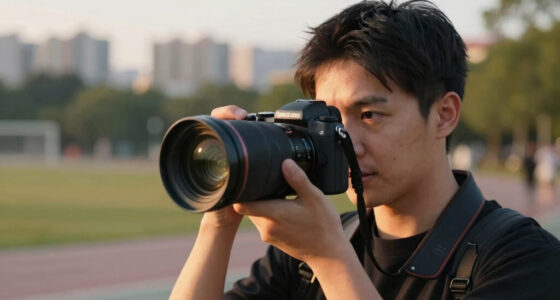
The camera you carry beats the perfect camera sitting at home. I have watched small cameras make honest, beautiful frames in rain, restaurants, train stations, and quiet family rooms where a larger kit would have changed the mood.
This guide shows you how to judge compact cameras for serious photographers by the things that change your pictures: sensor size, lens speed, controls, autofocus, video, and how the camera feels after an hour in your hand.
Choose a serious compact by sensor size, lens speed, RAW support, manual controls, autofocus, and grip feel.
A larger sensor gives you more editing room, but a fast fixed lens can matter more in dim everyday scenes.
A compact beats a mirrorless kit when quiet presence and daily carry matter more than lens swaps.
Test the camera with real tasks: change exposure by feel, focus on a moving face, and shoot in low light.
The right compact should make you shoot more often, not just pack lighter.
Small Cameras, Serious Files, Fewer Reasons to Stay Home
TL;DR: Choose compact cameras by RAW support, manual control, autofocus, lens speed, sensor size, and the way the body feels after an hour in your hand. The camera you carry beats the perfect camera sitting at home.
Quiet presence can be a photographic advantage.
A small body changes the room less. In restaurants, train stations, rainy streets, and family rooms, that lower drama often keeps the frame honest.
APS-C gathers over three times the area of a 1-inch sensor before lens speed enters the conversation.
Many premium compacts reach action-friendly burst speeds for moments that last one breath.
Serious compact pricing commonly starts near enthusiast mirrorless territory.
Bright glass keeps ISO lower in cafes, homes, museums, and night markets.
Flexible files matter when shadows, highlights, and color need a serious edit.
Resolution helps, but stabilization, focus, screen angle, and audio matter too.
Judge the Camera by the Pictures It Helps You Make
Compact cameras for serious photographers should be tested through real work: change exposure by feel, focus on a moving face, shoot in low light, and check whether the grip still feels natural after the novelty fades.
Sensor, RAW, and Editing Room
A larger sensor usually gives cleaner shadows and more dynamic range, but a smaller sensor with a fast lens can still deliver the decisive frame.
Speed Beats Spec Theater
A bright fixed lens can matter more than a long zoom when the actual scene is a dinner table, hotel lobby, or blue-hour street.
Controls You Can Find Blind
The right compact lets your thumb find exposure compensation, ISO, aperture, and focus review without pulling you out of the moment.
Compact, Mirrorless, or Phone?
The best choice depends on whether quiet carry, lens flexibility, or instant sharing matters most. Serious compact cameras sit in the middle: tactile enough for real work, small enough to keep with you.
| Choice | What You Gain | What You Give Up | Best Fit | Serious Control |
|---|---|---|---|---|
| Serious compact | Small body, fixed lens, fast access, low attention | No lens swaps, fewer specialty options | Travel, street, family, daily carry | ✓ RAW and manual controls |
| Mirrorless kit | Lens range, system growth, stronger grip options | More bulk, more decisions, more bag space | Events, portraits, sports, paid mixed work | ✓ strongest growth path |
| Phone | Always with you, instant sharing, computational speed | Less tactile control, smaller sensor limits | Notes, snapshots, social sharing | ~ app dependent |
| Basic point-and-shoot | Simple operation, low learning curve | Weaker files, fewer controls, less growth | Casual vacation use | ✗ often limited |
Low Light Reveals the Truth Fast
Photograph dinner without asking anyone to move. If focus sticks, color holds, and the file survives editing, that compact will probably serve you well on dim platforms, late hotel lobbies, and quiet rooms.
Enter the Room
One pendant light, moving hands, reflective glasses, and faces slipping in and out of shadow.
Open the Lens
Use f/1.4, f/1.8, or f/2.8 to keep ISO lower and preserve color under warm light.
Trust the Focus
Eye detection and tracking should hold without a menu hunt or repeated refocus.
Stabilize
Good stabilization lets human shutter speeds stay usable when the subject pauses.
Edit the RAW
Lift shadows, protect highlights, and check whether the file bends gracefully.
The Long-Zoom Warning
A long zoom can be useful, but it often gets slower at the telephoto end. The farther you zoom, the less light gets through just when you are trying to isolate a far subject.
- Test face tracking in a hallway if you photograph kids or events.
- Check minimum focus distance before buying for food, details, or travel textures.
- Change ISO and exposure compensation without lowering the camera from your eye.
- Review sharpness at 100 percent before trusting a screen preview.
Where Premium Compacts Usually Win
Modern compact cameras increasingly combine eye autofocus, 4K video, burst shooting, wireless transfer, flip screens, electronic viewfinders, and weather-aware builds. The point is not every feature; it is friction removed from real shooting days.
Sharp Frames Without Ceremony
Good autofocus feels quiet because nothing dramatic happens. A musician turns toward the light, focus sticks, and you keep shooting.
4K Is Only the Starting Line
Look for clean stabilization, usable screen angles, reliable walking focus, and audio options if you record interviews or travel clips.
From Small Body to Better Habits
The right compact should make you shoot more often, not just pack lighter. Each choice should connect to a visible photographic benefit.
Why a Small Camera Can Still Earn Serious Work
Compact Cameras for Serious Photographers earn their place when you need real files, real controls, and zero drama in a bag that still carries lunch. The point is not magic. It is a camera that lets you react when the light turns gold, the shutter goes click, and the scene disappears.
I reach for a compact when I want people to forget the camera is there. At a cafe table, a small black body draws less attention than a full kit, so your subject keeps laughing, stirring coffee, and moving naturally. That ease can matter more than another stop of clean ISO.
As an affiliate, we earn on qualifying purchases.
The Sensor Choice That Changes Your Files Most
According to PhotoMocha buying guidance [1], sensor size shapes noise, dynamic range, and how gracefully a file bends when you edit it. A 1-inch sensor measures about 13.2 x 8.8mm, while APS-C sits around 23.5 x 15.6mm, giving the larger chip more room for shadow detail and soft backgrounds.
In practice, you see it when you lift a dark jacket out of shade or brighten a blue-hour street scene. A larger sensor usually gives you a cleaner file, but a smaller sensor with a fast lens can still make lovely pictures. For travel, I would rather have a sharp file at the decisive moment than a technically cleaner file I missed.
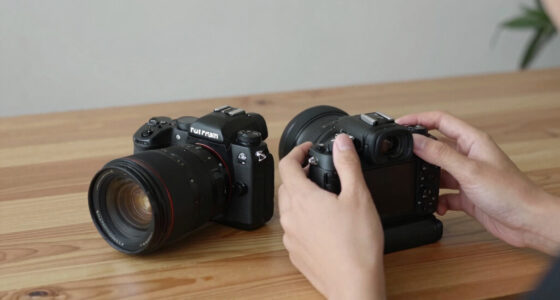
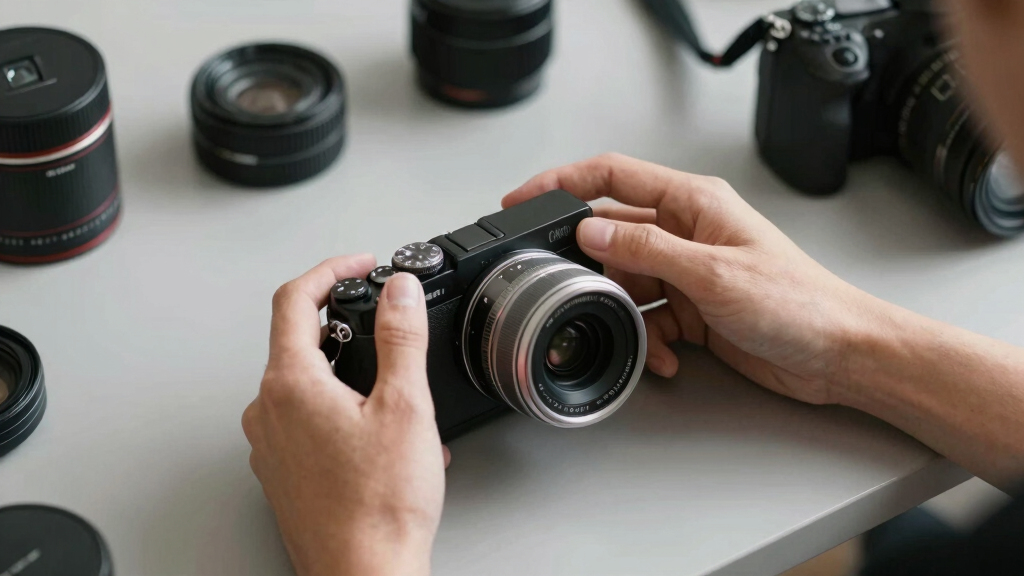
serious compact camera with manual controls
As an affiliate, we earn on qualifying purchases.
As an affiliate, we earn on qualifying purchases.
What You Gain and Give Up Against Mirrorless
Compact Cameras for Serious Photographers give you speed of access, less weight, and a quieter presence, while a mirrorless kit gives you lens choice and more room to grow. If you shoot weddings every week, you will still want interchangeable lenses. If you shoot travel, street, family, or daily documentary work, compact gear can be enough.
| Choice | What You Gain | What You Give Up | Best Fit |
|---|---|---|---|
| Serious compact | Small body, fixed lens, fast access | No lens swaps, fewer specialty options | Travel, street, daily carry, quiet scenes |
| Mirrorless kit | Lens range, system growth, stronger grip options | More bulk, more decisions, more bag space | Events, portraits, sports, paid mixed work |
| Phone | Always with you, instant sharing | Less tactile control, smaller sensor limits | Notes, snapshots, social sharing |
On a weekend trip, the difference feels simple. With a compact, you leave the hotel before sunrise with one camera and no gear debate. With a mirrorless kit, you may bring the wide lens, then wish you had packed the short telephoto when the market opens.
As an affiliate, we earn on qualifying purchases.
A Buyer’s Checklist That Saves You From Regret
Compact Cameras for Serious Photographers should be judged by files first, then by handling, then by the features that help your actual work. A flashy spec sheet means less than a grip you can hold at dusk, a dial you can change by feel, and RAW files that survive a hard edit.
- Check RAW support, because serious editing needs flexible files.
- Choose the sensor size that matches your light: 1-inch for pocket reach, Micro Four Thirds or APS-C for more editing headroom.
- Look at lens speed, especially f/1.4 to f/2.8 if you shoot indoors.
- Test manual controls, including aperture, shutter speed, ISO, and exposure compensation.
- Confirm autofocus behavior with faces, moving hands, and backlit subjects.
- Hold the camera for ten minutes, because a poor grip gets old fast.
Use these questions to help cut through noise. If you photograph kids, test face tracking in a hallway. If you shoot food, check minimum focus distance before you fall in love with the body.
As an affiliate, we earn on qualifying purchases.
Low Light, Fast Lenses, and the Dinner-Table Test
Compact Cameras for Serious Photographers handle low light well when they combine a larger sensor, a bright lens, and stabilization you can trust at human shutter speeds. A lens that opens to f/1.4, f/1.8, or f/2.8 helps keep ISO lower when the room glows with candles and street spill.
My favorite test is brutally ordinary: photograph dinner without asking anyone to move. Imagine a corner table by a window at 8 p.m., one warm pendant light above the plates, a child reaching for bread, and someone laughing with a glass halfway to their mouth. Plates shine, glasses catch tiny white sparks, and faces slip in and out of shadow. If the camera can focus quickly there and give you usable color, it will probably serve you well on a dim train platform or in a late hotel lobby.
A long zoom can be useful, but it often gets slower at the telephoto end. Think of it like narrowing a doorway: the farther you zoom, the less light gets through just when you are trying to isolate a far subject. Pick the lens for your real scenes, whether that means a wide cafe table, a museum room, a night market stall, or a child reading under one bedside lamp, not your imaginary safari.
Autofocus and Video Features That Save Real Shots
Autofocus and video features matter when they remove friction from moving subjects, short clips, and mixed shooting days. Current premium compacts often offer eye detection, subject tracking, 4K video, Bluetooth or Wi-Fi transfer, and burst shooting near 10 fps, which helps when the moment lasts one breath [2].
Think about a street musician turning toward the light just as a train screeches behind you. You lift the camera, half-press, and need focus to stick without a menu hunt. Good autofocus feels quiet because nothing dramatic happens: the frame is sharp, and you keep shooting.
For video, check more than resolution. Look for clean stabilization, a usable screen angle, reliable focus during walking shots, and audio options if you record interviews. 4K sounds simple, but shaky 4K with muddy sound still looks amateur fast.
The Handling Test I Trust More Than Specs
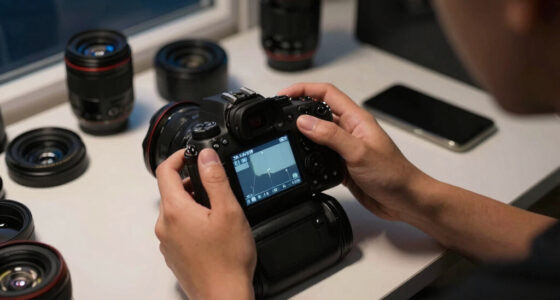
The best compact is the one you can operate without staring at it. Before you commit, test grip, menu speed, viewfinder comfort, battery access, and whether your thumb finds exposure compensation in the dark. A camera that fights your hands will stay home after the honeymoon week.
- Set aperture by feel while keeping your eye on a subject.
- Change ISO quickly without digging through three menu screens.
- Review focus at 100 percent so you can judge sharpness on location.
- Open the battery door with a plate or tripod mount attached, if you use one.
I once rejected a camera I liked on paper because the rear dial felt slippery with cold hands. That sounds small until you are standing on a windy bridge at blue hour, trying to adjust exposure while traffic hisses past. Specs do not feel the cold. Your fingers do.
Where This Camera Type Makes You Better
A serious compact makes you better when it gives you fewer excuses and more repetition. You carry it to the grocery store, the train platform, and the rainy walk after dinner. That steady contact trains your timing, because photography improves when your eye sees light before your brain starts listing gear.
A compact camera is a sketchbook: small enough to carry, honest enough to show your habits, and sharp enough to reward practice.
Use it for personal projects: one square block at sunrise, one cafe window for a month, one family ritual every Sunday. For example, photograph the same bakery window every morning and you will start seeing how steam softens glass, how delivery trucks change the background, and how a hand on a paper coffee cup can carry the whole frame. The fixed lens becomes a boundary, and boundaries can sharpen your seeing. You stop hunting for gear answers and start noticing hands, reflections, steam, and small changes in color.
Frequently Asked Questions
Can a compact camera be used for professional work?
Yes, a serious compact can handle professional work when the job matches its strengths: documentary coverage, travel features, behind-the-scenes images, editorial details, and quiet portraits. I would not make it my only camera for fast events or lens-heavy assignments, but I would trust it for paid work when the brief fits.
Is a 1-inch sensor enough for serious photography?
A 1-inch sensor is enough for serious photography when you expose carefully and use the camera within its limits. You get strong portability and good daylight quality, but APS-C or Micro Four Thirds gives more room for heavy shadow recovery and shallow depth of field [1].
Should I pick a fast prime lens or a compact zoom?
Pick a fast prime if you shoot low light, street, food, family, or portraits at close range. Pick a compact zoom if travel range matters more and you often move between wide scenes and far details. Your usual shooting distance should make the choice clear.
Are compact cameras better than phones?
A serious compact gives you better tactile control, RAW files, optical zoom or a higher-quality fixed lens, and a shooting experience that feels deliberate. A phone wins for instant sharing and convenience. For craft, I prefer a camera with a real shutter button, a viewfinder, and exposure controls under my fingers.
Do I need weather sealing in a compact camera?
Weather sealing helps if you shoot in drizzle, dust, sea spray, or winter streets. It does not make a camera waterproof, so use common sense and dry it carefully. If you mostly shoot indoors or fair-weather travel, grip and lens quality may matter more.
Conclusion
Choose the compact that fits the work you actually do. If it gives you clean RAW files, quick controls, a lens suited to your light, and a body you want to carry, it has earned a place beside larger gear.
The best small camera is not the one that wins a spec argument. It is the one in your hand when the room goes quiet, the window light turns silver, and the photograph is suddenly there.
Columbus Day / Indigenous Peoples' Day Picks
long weekend sales
As an affiliate, we earn on qualifying purchases.