
TL;DR

Get audio and creator gear delivered free with Prime
- Fast, free delivery on millions of items
- Prime Video, Amazon Music and more included
- Member-only deals all year
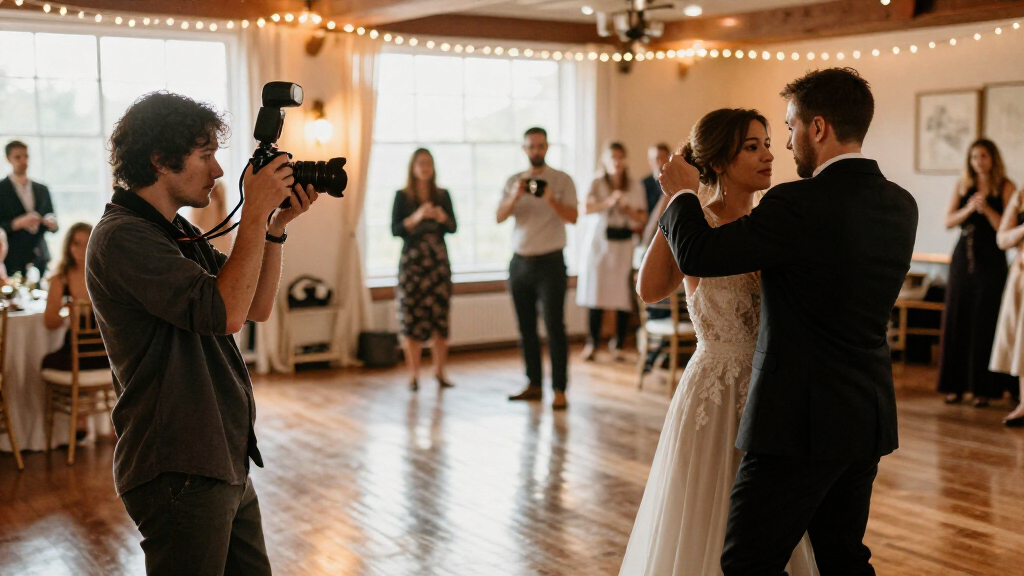
A wedding second shooter photographs alongside the lead, capturing complementary angles, guest reactions, and moments the lead cannot cover at the same time. The role teaches you how a wedding day moves, but it still demands dependable camera skills, clear coordination, professional conduct, and a written agreement about pay and image use.
A wedding does not pause while you change lenses, find a better angle, or figure out where the couple will stand next. That is why a second photographer can make such a difference: while the lead focuses on the vows, you might catch a parent wiping away a tear or a child leaning into the aisle.
Second shooting means working as an additional photographer alongside a lead photographer. If you want to learn wedding photography, it gives you a view of the full day: the timeline, shifting light, teamwork, guest interactions, and the small decisions that keep coverage moving. You get real responsibility, but the lead remains in charge of the plan.
I think of a good second shooter as both a photographer and a careful observer. You need to know your camera, read a room, and make useful images without getting in the lead’s way. This guide explains what the job involves, how to prepare, and what to settle before you accept a wedding.
Your main photographic contribution is complementary coverage of angles, guests, and moments the lead cannot capture at the same time.
Confirm the schedule, priorities, positions, communication signals, and file workflow with the lead before the wedding.
Test your camera skills in the conditions you expect, then arrive with charged batteries, enough memory cards, and reliable backup habits.
Put pay, expenses, hours, delivery, image rights, credit, and portfolio permission in writing before the assignment.
Second shooting builds practical experience but does not replace the planning, client communication, and full-coverage responsibility of leading a wedding.
Second Shooting Learning the Wedding Trade
A second shooter adds complementary coverage while learning how a wedding day unfolds. The role calls for reliable camera skills, clear teamwork, and written terms.
Add moments the lead cannot cover
The strongest contribution is a useful second viewpoint that does not disrupt the lead’s work.
Catch the reactions
Photograph guests, family responses, and candid moments while the lead focuses on the couple.
Read the day
See how timing, changing light, and teamwork shape wedding coverage in real time.
Coordinate before the day gets busy
The lead sets the plan; agree on priorities and movement before raising your camera.
Confirm the schedule, key moments, names, and assigned coverage.
Agree where to stand, when to move, and how to check in without obstructing the lead.
Test focus and exposure in expected light; bring charged batteries, enough memory cards, and a backup plan.
Put the working terms in writing
Pay and image use depend on the agreement, so settle expectations before accepting the assignment.
What You Actually Do as a Wedding Second Shooter
A wedding second shooter photographs alongside the lead, covering complementary angles, guests, and moments the lead cannot reach at the same time. The lead might frame the couple during the ceremony while you photograph the grandparents watching from the front row. Your job is to add useful coverage, not to make a second copy of every frame.
Second shooting often means moving between assigned tasks and opportunities you spot yourself. A lead may ask you to cover guests arriving, photograph one partner getting ready, or capture the room before the reception fills with people. During the ceremony, the lead could stay near the aisle while you work discreetly from the back or side. The exact plan depends on the team and venue.
That variety makes the role a way to learn how a wedding day works in real time. You see how quickly light changes when a ceremony moves from a bright garden to a dim hall, and how much timing matters when the couple enters, exchanges rings, and turns toward their guests. You also learn to keep your shutter quiet, avoid blocking guests, and watch for moments before they happen.
For example, as the couple greets guests after the ceremony, the lead may focus on their portraits while you photograph a friend’s wide-eyed reaction or a quick hug just outside the frame. Those photographs tell a fuller story. But if the lead needs a clear path for a group portrait, your own shot can wait. Teamwork shapes the coverage, and the best extra angle is the one you can make without disrupting the moment.
Products Worth Considering

Apple MacBook Air 13-inch Laptop with M5 Chip, 16GB Memory, 512GB SSD, 12MP Center Stage Camera, and Wi-Fi 7, Sky Blue

Apple MacBook Air 13.6-inch Laptop with M5 Chip, 24GB Memory, 1TB SSD, Midnight

Apple MacBook Air 15-inch (2025) with M4 Chip, 24GB Memory, 512GB SSD, Midnight
As an affiliate, we earn on qualifying purchases.
Learn More by Watching the Timeline Unfold
Second shooting teaches you how wedding coverage works by putting you in a live event beside an experienced lead. You see how a schedule, changing light, guest movement, and emotional moments fit together, while still having a defined role. That practical view can show you what a wedding day asks of a photographer before you take responsibility for the entire job.
The day rarely follows the clock perfectly. Getting ready might run 20 minutes late; a family member may need help finding the ceremony room; the couple may get only a few quiet minutes together before portraits. Watching the lead adjust teaches you to prioritize. A planned detail photograph can wait if the couple is already walking into the ceremony.
For many photographers, the learning comes from both the camera work and the less glamorous stretches. You may arrive early, carry equipment between rooms, wait through speeches, then need to react instantly when a surprise dance begins. Over several hours, you also learn how to stay attentive without turning every quiet moment into a photograph. Wedding coverage rewards patience as much as speed.
Consider a reception where the room begins in warm window light, then shifts to colored dance-floor lights after sunset. The lead might stay with the couple’s first dance while you look for parents, friends, and the lively edges of the floor. You learn to anticipate expressions, adjust exposure quickly, and keep moving safely through a crowded room. Real-world practice reveals the pace in a way that a quiet practice session cannot.
Coordinate Your Position Before You Raise the Camera
Strong second shooting depends on clear coordination with the lead before and during the wedding. You need to know the coverage priorities, where each photographer will stand, how you will communicate, and when you should move. A quick conversation can prevent two photographers from crowding the same aisle or missing a reaction because both turned toward the couple.
Ask for the schedule and important names or moments in advance. Find out whether you should photograph guests arriving, the ceremony from a particular side, or one partner getting ready. Ask what the lead expects during formal portraits: should you make candid photographs while they direct the group, or wait until the posed images are finished? These details save time when the day gets busy.
A simple example: if the lead plans to photograph the vows from the front-left side, agree that you will stay at the back or along a side aisle, subject to the venue’s rules. Avoid crossing behind the couple during a reading, and do not change position just to chase a different angle without checking that the path is clear. Positioning is part of the photograph; it affects what guests see and whether the lead can work.
Use a discreet signal or a brief check-in when you need to move, and learn the lead’s preferences around flash, camera settings, and file delivery. Different teams work differently. Some leads give you broad creative freedom; others assign specific coverage. Clarify the working style instead of assuming that every wedding team expects the same thing.
Prepare Your Gear for a Day You Cannot Restart
Prepare your camera, lenses, batteries, memory cards, and backup plan before the wedding because a missed moment cannot be repeated on demand. The lead may specify a particular file format or workflow, but you remain responsible for knowing your own equipment. Weddings are live events, not controlled practice sessions; a dead battery during the vows has no convenient retake.
Before you accept the assignment, check that you can expose and focus reliably in bright sun, dim rooms, and mixed lighting. Know how to change focus modes, adjust exposure, and work without hunting through menus. Bring charged batteries and enough cards for the hours you are assigned, plus a sensible plan for storing them securely. If you rely on unfamiliar equipment, practice with it before the day.
A practical preparation routine can be short and repeatable:
- Confirm the brief: check call time, schedule, venue rules, coverage duties, and file workflow with the lead.
- Test your kit: charge batteries, format cards as agreed, clean lenses, and confirm focus and exposure controls.
- Pack for the assignment: bring reliable camera gear, suitable lenses, charged spares, and any gear the lead requests.
- Plan delivery: know when and how you will hand over files, and follow the lead’s backup instructions.
For instance, if you usually photograph portraits outdoors but the ceremony takes place in a dim chapel, test your camera’s low-light performance before you arrive. Familiar gear frees your attention to watch the couple, guests, and light instead of searching for a button.
Agree on Pay, Image Rights, and Portfolio Use First
Agree on compensation, expenses, hours, image rights, and portfolio permission before the wedding, preferably in writing. These terms vary by assignment, so neither a typical rate nor a casual conversation can replace a clear agreement with the lead. Confirm what happens if the day runs late, whether travel is covered, when payment is due, and how files should be delivered.
Image ownership and use also need plain language. The agreement should explain who owns or licenses the photographs, whether you may keep copies, whether you may show any images in a portfolio, and whether you will receive credit. Permission from the lead may not settle every question about couple privacy or other restrictions, so follow the contract and the team’s instructions before sharing anything.
Imagine that you make a strong photograph of a guest laughing during the speeches. You might want to post it later, but the couple may have asked for a private gallery or the lead may have promised that no images will appear online. A portfolio-worthy frame is not automatic permission to publish. Ask before the day, then keep the answer with your assignment notes.
Written terms protect the working relationship as well as the photographs. They give you and the lead a shared record of call time, responsibilities, overtime expectations, expenses, delivery deadlines, and image use. Clarity makes collaboration easier, especially if a long day or unexpected schedule change brings those details into focus.
Build Trust Through Quiet, Professional Conduct
A second shooter earns trust by being reliable, discreet, prepared, and respectful to the couple, guests, vendors, and lead photographer. Your behavior affects the team’s reputation as well as the photographs. Arriving on time, dressing appropriately for the setting, and listening carefully can matter just as much as owning a capable camera.
Wedding guests should feel that you belong in the room without feeling watched by you. Keep a respectful distance during private moments, avoid interrupting conversations for a photograph, and follow the venue’s rules about movement and flash. If a planner or officiant asks photographers to stay behind a boundary, comply promptly. A beautiful frame is not worth distracting the couple during their vows.
Take a late-running schedule as a test of composure. If dinner begins behind schedule, stay attentive, check in with the lead, and ask what coverage they need next. Do not disappear to browse your images or leave without confirming the end of your assignment. The lead needs to know where you are and what you are covering.
These habits also shape whether a photographer hires you again. A lead who knows you will communicate, keep gear ready, and respect instructions can trust you with more responsibility over time. Professional conduct is visible in small decisions: where you stand, when you speak, and whether you honor the couple’s privacy.
Find Your First Second Shooting Opportunity Without Overpromising
You can look for second-shooting work by building a small, honest portfolio, connecting with local wedding photographers, and asking about assisting or shadowing opportunities. Be clear about your experience, availability, equipment, and the kinds of weddings you have photographed. A lead needs to know what you can reliably cover before assigning you a role.
If you have not photographed a wedding before, do not present yourself as an experienced second shooter. Offer to assist with logistics or ask whether the photographer allows a supervised shadowing opportunity. An assistant may carry equipment or support setup; a second shooter is hired primarily to make photographs. Some assignments combine both, so ask what the day will require.
A useful introduction can be specific: say that you have photographed events in low light, that you can deliver files in the lead’s requested format, and that you are available for a particular date. Include a concise selection of relevant images rather than sending every photograph you have made. If your portfolio mostly shows outdoor portraits, explain honestly that you are still learning indoor reception lighting.
For example, a local photographer may need help documenting a small weekday wedding. You could ask what coverage they need and whether they prefer you to assist, shadow, or shoot a defined part of the day. Honest expectations build trust and give you room to learn without taking on duties you are not ready to handle.
Know What Second Shooting Can—and Cannot—Prepare You For
Second shooting can teach you wedding-day pacing, teamwork, camera handling under pressure, and how to anticipate moments, but it does not make you ready to lead a wedding by itself. The lead carries broader responsibility for the couple’s experience and the complete record of the day, including planning, client communication, timeline decisions, contracts, and image delivery.
As a second shooter, you can learn what makes a schedule workable and how to adapt when a portrait session loses its light. But you may not see every email, family grouping plan, backup decision, or difficult client conversation that the lead handled before you arrived. Ask respectful questions after the event, while giving the lead time to finish their own work.
Think of it as learning the rhythm of a song while another musician leads the performance. You can practice your timing, listen closely, and support the whole piece. You still need separate preparation before taking responsibility for the full performance. In practical terms, that means developing your own client process, written agreements, backup workflow, and ability to create a complete gallery.
After several assignments, review what you learned: which moments you anticipated, where your focus slipped, and whether your coverage complemented the lead’s. Ask for feedback and note one concrete skill to practice before the next wedding. Second shooting is a strong foundation; experience, preparation, and responsibility still have to grow beyond it.
Frequently Asked Questions
What does a second shooter photograph at a wedding?
A second shooter makes photographs alongside the lead, often covering guest reactions, alternate angles, details, or parts of the day the lead cannot reach. The lead sets priorities, so confirm your assignment before the event.
Do you need wedding experience to become a second shooter?
Not every lead requires prior wedding experience, but you need dependable camera skills and professional behavior. If you are new, be candid and ask about assisting or shadowing before accepting a photography assignment.
How much does a wedding second shooter get paid?
Compensation varies with location, experience, hours, travel, and responsibilities. Agree on the rate, expenses, overtime, and payment timing with the lead before the wedding.
Can you use second-shooting photos in your portfolio?
Only if the agreement and applicable permissions allow it. Ask the lead in advance, follow any couple privacy restrictions, and do not post photographs just because you made them.
Is second shooting enough to prepare you to lead a wedding?
It teaches you a great deal about timing, teamwork, and photographing under pressure, but it does not cover every responsibility a lead carries. You will still need to prepare for client communication, contracts, planning, backup systems, and complete event coverage.
Conclusion
If you want to learn wedding photography, treat second shooting as skilled teamwork. Prepare your gear, agree on responsibilities and image use, then look for photographs that add a new piece to the day’s story. The lead handles the plan; you help the gallery feel fuller and more alive.
Watch the room as carefully as you watch your camera. A quiet glance between guests, a hand reaching for another, the sudden cheer at the back of the dance floor—that is where your added angle can make the whole day feel present again.