TL;DR

Get audio and creator gear delivered free with Prime
- Fast, free delivery on millions of items
- Prime Video, Amazon Music and more included
- Member-only deals all year
Prompts help people look more at ease by giving them a simple action, interaction, or thought instead of asking them to hold a detailed pose. Choose directions that suit the person and setting, watch for a genuine moment, and keep shaping the light, framing, and posture; prompts support your craft rather than replace it.
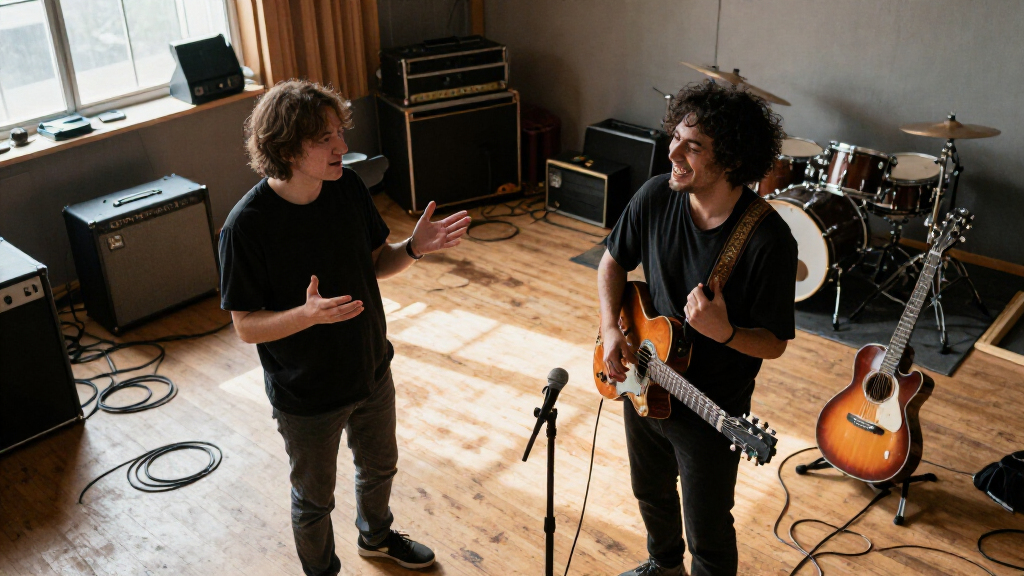
A person can hold a perfect pose and still look like they are waiting for the shutter to click. Give them something to do, though, and their shoulders may drop, their hands find a place, and their attention shifts away from the camera. That small change is often where a portrait starts to feel like them.
When I photograph people, I use prompts as practical direction, not a trick for manufacturing a candid moment. In this guide, you’ll learn how prompts differ from poses, how to choose words that fit the people in front of you, and what to watch while the action unfolds. You’ll also see when a clear, formal pose is still the right tool.
A pose specifies a body position; a prompt offers an action, interaction, or thought.
Give one brief direction at a time, then watch how the person responds before adding another.
Choose prompts that fit your subject’s comfort, relationships, setting, and access needs.
Combine prompts with careful attention to light, framing, focus, timing, and gentle posture adjustments.
Use formal poses when the portrait calls for them; a quiet prompt can still help the subject settle between frames.
Posing People Naturally: Prompts Beat Poses
A pose asks someone to hold a position; a prompt gives them an action, interaction, or thought. The photographer still shapes the light, framing, and timing.
Give people something to do
A simple response can make room for more personal expressions and movement.
- Hold a body position
- Attention may turn to appearance
- Try an action or conversation
- Attention has somewhere to go
Keep directions simple
Give one brief instruction, then watch how the person responds.
“Walk toward me slowly” is easier to follow than “act natural.”
Let the moment breathe before adding another direction.
Change course if the prompt feels awkward or the result does not work.
Fit the prompt to the people
Comfort, relationships, setting, and the purpose of the portrait all matter.
Share a memory
A favorite trip or a small thing from the week gives both people a shared focus.
Connect with the scene
A family might talk about a picnic path or show one another a favorite leaf.
Make space to reflect
A small action or thought can help bring out a more personal expression.
Keep the portrait workable
Prompts support the photographer’s craft; they do not guarantee a natural moment.
- Watch light, framing, focus, and timing.
- Offer seated or smaller movements when walking or standing does not suit someone.
- Ask rather than assume, and make it easy to decline or suggest an alternative.
- Use formal poses when the occasion calls for them; prompts can help subjects settle between frames.
A prompt gives people something to respond to
A prompt gives your subject an action, interaction, or thought to respond to; a pose asks them to arrange their body and hold a position. That difference matters because a pose can make someone monitor their appearance: where their hands are, whether their smile looks right, and what the camera expects. A prompt gives their attention somewhere else to go. The resulting movement may loosen their posture, but it does not automatically look natural. You still have to notice what the person is doing and decide whether it makes a good photograph.
For example, instead of moving a couple’s hands one by one and asking them to smile, you might say, “Walk toward me and tell your partner about a favorite trip.” Their steps give you changing posture; their conversation may bring out a quick grin or a quiet look. The tradeoff is that movement also creates unpredictable moments: one person may turn away, their expressions may change quickly, or the light may fall unevenly. I can photograph those moments while keeping an eye on where their faces fall in the light, adjusting the path or timing if needed.
A pose and a prompt can work together. You might first place someone near a window, turn their shoulders slightly toward the light, and then ask them to remember a place where they felt at ease. The composition stays deliberate, while their expression has room to change. This combination is useful when you want a considered portrait without asking the person to manufacture a fixed expression. Think of the prompt as a starting point, not the whole photograph.
Products Worth Considering

DJI Mini 3 Drone with DJI RC, 4K Camera and 3-Axis Gimbal

Jackery Explorer 1000 v2 Portable Power Station with 200W Solar Panel

Apple MacBook Air 13-inch Laptop with M5 Chip, 16GB Memory, 512GB SSD, 12MP Center Stage Camera, and Wi-Fi 7, Sky Blue
As an affiliate, we earn on qualifying purchases.
Three small changes make a prompt easier to follow
Specific prompts make it easier for people to act than the vague instruction “act natural.” Give one short direction at a time, describe an action they can picture, and leave room for them to respond in their own way. A clear direction lowers the effort of figuring out what you mean, while a little freedom lets the response remain theirs. In a portrait session, I might begin with a simple movement, notice the subject’s reaction, and then adjust the next instruction to match.
- Give them an action. Try “Walk toward me slowly” rather than “Look relaxed.” The first gives them something observable to do; the second asks them to produce an emotion, which can feel like a test.
- Add a comfortable focus. For a couple, you could say, “Tell each other about a small thing you enjoyed this week.” A familiar topic gives their attention a shared destination without requiring a dramatic or private story.
- Watch before adding more. If their hands or shoulders settle naturally, let the moment breathe before offering another direction. Adding instructions too quickly can interrupt a response that was already working.
Imagine photographing two friends in a bright patch of afternoon sun. “Stand there and smile” may leave them checking your face for approval. “Walk together and tell me what you’d order at your favorite café” gives them a path, a shared subject, and a reason to look at each other. You can keep the instruction light: if the conversation feels awkward, switch to walking quietly or talking about the place you’re in. The aim is not to force the café topic to succeed; it is to find an activity that helps them settle while keeping the light and framing workable.
Brief words leave attention for the moment itself. If you explain several gestures and facial expressions at once, people may start performing the instructions instead of connecting with each other. Let one clear prompt do its job, then choose whether to build on it. This takes a little patience, but it also gives you a better read on what your subject finds comfortable.
Choose prompts that suit your subject and setting
Posing people naturally starts with a prompt that suits their comfort, relationship, and surroundings. A playful direction can loosen one group and make another feel self-conscious. Before you suggest an action, look at the space, ask what the session is for, and pay attention to how the people in front of your camera respond to you. The same prompt can have different effects depending on trust, energy, and context, so treat the first response as useful feedback rather than proof that someone is difficult to photograph.
For a family in a park, a gentle prompt might be, “Tell me which path you’d take for a picnic.” A child might enjoy showing a parent a favorite leaf; a reserved adult may prefer a quiet conversation to a game. These simple choices keep the direction connected to something real in the scene, instead of asking people to act out a stock version of happiness. They can also give you visual details that belong to this family and this place. The tradeoff is that a real activity may pull attention away from the camera or disrupt the arrangement, so keep the group in a light or position that still supports the portrait.
Movement also needs alternatives. Not everyone can or wants to walk, turn, or stand for long periods. Offer a seated version, a small hand movement, a conversation, or a pause looking toward a meaningful place. Ask rather than assume, and make it easy for your subject to suggest something that feels better. Offering an alternative is part of good direction: it keeps the session moving while giving the person control over what their body is asked to do. Their comfort matters more than completing your idea.
When a prompt doesn’t land, that’s useful information. If a couple goes quiet after a personal question, give them something lighter or let them talk about the place around them. If someone looks tense, reduce the task to one small action. Continuing to push can make the person feel responsible for producing a successful picture; changing course puts that responsibility back with you. The best prompt meets the person where they are; it doesn’t demand a particular response.
Prompts help couples and groups turn toward each other
Prompts help couples and groups look connected by giving their attention a shared destination. When everyone looks straight into the camera and waits for instructions, expressions can become tidy but distant. A small interaction lets you photograph the relationship between people while you still guide how they fit into the frame. This works because their attention is briefly occupied by one another, but the interaction may also change their spacing or make someone disappear behind another person. Connection and composition both need your attention.
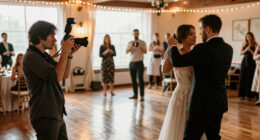
At a couple’s session, you could ask them to walk slowly side by side and share a favorite memory from their first year together. You don’t need to make them laugh on command or request a kiss. Watch for a glance, a hand reaching for a sleeve, or the smile that appears when one person remembers a detail. Those quieter responses may suit the couple better than a dramatic gesture. They are also easier to sustain without overdirecting: if the memory feels uncomfortable or too private, you can offer a lighter topic or let them walk in silence.
For a family group, try asking everyone to look toward the person who chose the outing, or invite each person to say one thing they like about the shared picnic spot. Keep the direction appropriate to their relationships; don’t assume every family has the same structure or wants the same kind of affection. A prompt should give the group a comfortable way to connect, not pressure them into a scene. A shared topic can include people who prefer less physical contact, though you may need to give them a moment to take turns and listen.
Keep framing in view as the interaction develops. A child may step in front of someone’s face, or a bright background may pull attention away from the group. Make a gentle adjustment, then let the conversation continue. If you stop the interaction for every small change, you may lose the moment; if you ignore the frame entirely, you may miss a strong expression behind a distraction. Photograph the connection while you shape the image around it.
Use a prompt to find a more personal individual portrait
For an individual portrait, a thoughtful prompt can give someone an expression to return to instead of asking them to “look natural.” Choose a question they can answer comfortably, or offer a small task that suits the setting. This gives their attention a place to rest while you make the technical choices that keep the portrait clear and intentional. A prompt can reveal something specific about the person, but it can also distract them from the camera or draw an expression that does not suit the purpose of the portrait. Watch their response and decide what serves them.
If you’re photographing a maker at a workbench, you might ask them to show you the tool they reach for most often. Their hands gain a natural role, and their attention can settle on an object they know well. Near a window, a quieter subject might prefer to stand by the light and talk about what they enjoy doing there. Let the answer guide you, rather than fishing for a particular emotional reaction. A familiar object or place can make the portrait more personal, while a forced story may make the person feel exposed; the subject should be free to answer briefly or change the topic.
Some people need a little time to get used to a camera. Start with an easy, low-pressure action, such as adjusting a jacket cuff or resting a hand on the back of a chair. While they do it, make small, concrete suggestions only when they help: angle the shoulders a little toward the window, or lift the chin slightly so the light reaches the eyes. These adjustments preserve your control over the image without giving the subject a long list to manage. If each correction adds tension, pause and return to a simpler arrangement.
Prompts beat poses when you need an expression that feels connected to the person, but formal posing still has a place. A company headshot, graduation portrait, or family photograph may call for a clear position and a direct look at the camera. In those cases, a pose helps make the result consistent and easy to use. You can use a conversation between formal frames to help your subject settle, then return to the composed arrangement. The choice depends on what the photograph needs and what helps the subject feel at ease.
Keep shaping the photograph while the action unfolds
A prompt can give you a useful moment, but it cannot choose the light, composition, focus, or timing for you. Your subject may be moving comfortably while the background distracts from their face, or the strongest expression may come just as they turn away from the light. Stay attentive to the photograph while you stay attentive to the person. That balance is the central tradeoff of prompting: more movement creates more chances for an unplanned expression, and also more chances that the technical conditions will shift.
Before starting, check where the light falls on faces and whether the background supports the portrait. If a couple walks past a bright patch of sun, a small change in their path may keep the light gentle. If someone sits by a window, turning their shoulders slightly can add shape to their face. These are quiet adjustments that give you control without breaking the interaction. Planning the position first can reduce how many corrections you need to make once the subject is engaged.
As you shoot, look for the short pause after the action: the shared glance at the end of a story, a hand resting after a gesture, or a breath before someone answers. Those beats often hold a more settled expression than the action itself. If the prompt produces an awkward reaction or an unflattering angle, change direction or stop. You are responsible for the image and for keeping the session comfortable. A person should not have to repeat a moment that felt wrong just because it produced a technically usable frame.
This is where the earlier walk-and-memory example pays off. You supplied a path and a conversation, but you still watched the light, chose your timing, and framed the people in the scene. The prompt created options; your decisions made the photograph. Reviewing the result in that way also helps you learn whether the prompt, the setting, or your timing needs to change for the next frame.
Make room for formal portraits and for people who feel awkward
Prompts and poses serve different needs, and a strong portrait session can use both. Choose a pose when the photograph needs a clear, repeatable arrangement; choose a prompt when a person needs a simple action or a point of connection. Many portraits move between those approaches as the subject becomes more comfortable. A pose offers predictability, while a prompt offers variation; knowing which matters more for the frame helps you choose the next direction.
| What you need | Useful direction | Example |
|---|---|---|
| A consistent formal frame | Start with a clear pose, then make small adjustments | Turn the shoulders slightly toward the window and look at the camera |
| A natural interaction | Offer an action or shared topic | Walk together and talk about a favorite place |
| A camera-shy subject | Begin with a quiet, manageable task | Rest a hand on the chair and look toward the light |
| A subject who prefers not to move | Offer a seated alternative or conversation | Tell me about the object you brought with you |
For example, a person who feels uneasy may not know what to do with their hands. You can first place them beside a chair and give their hands a comfortable resting place. Then ask them to tell you about an object on the shelf while you photograph a few frames between answers. The composition stays simple, and the task takes attention away from the pressure to perform. Because the person is not moving much, you may get more consistent framing and focus; the expression may also change less, so give the conversation time to do its work.
Adapt the direction if they hesitate. Demonstrate a small movement yourself, ask whether they’d rather sit, or give them a moment without talking. The point is to make the next step easy to understand. If a formal pose gives them more confidence, use it; natural expression doesn’t require constant motion. The useful measure is whether the direction helps the person participate comfortably and gives you a photograph that serves its purpose.
Use these habits to make prompted photos feel less staged
Prompted photographs feel less staged when the direction fits the people and you photograph their interaction instead of demanding a reaction. “Tell your partner about your first apartment” might open a real conversation for one couple, while another may prefer an easy walk without a personal question. The result comes from observing what works, not from repeating a favorite line. A prompt is successful when it gives the person room to respond and gives you a useful moment, even if that moment is quieter than you expected.
Keep your attention on the small details. Notice whether someone relaxes when they have a hand to rest on the table, whether a child responds better to a simple choice, or whether a quieter subject wants a pause between instructions. Those cues help you choose what to say next. You can also show a movement rather than describing it in a long explanation. This responsive approach takes more attention than delivering a memorized list, but it makes the direction more personal and reduces the risk of asking someone to perform a reaction that does not fit them.
It’s natural to feel tempted to keep prompting when the camera is up. Give people time to finish their thought and notice what happens after the first smile. A real expression may be a soft, private grin rather than a burst of laughter. If a prompt produces a moment that feels too theatrical, don’t insist on repeating it; adjust the activity or move on. Leaving space can feel slower, but constant direction may flatten the very interaction you hoped to photograph.
After a family session, you might select both a composed group portrait and a frame from the conversation that followed. The first meets a clear need; the second carries the feeling of being together. Your job is to recognize which moment serves the person, then make sure the light, framing, and focus support it. Keeping both kinds of image in mind can help you avoid treating spontaneity as automatically better than a well-made formal portrait.
Frequently Asked Questions
What’s the difference between a prompt and a pose?
A pose tells someone how to place or hold their body. A prompt gives them an action, interaction, or thought to respond to. You can use both: place someone in good window light, then start a comfortable conversation to help their expression settle.
What are good prompts for couples or families?
Pick a simple activity that fits the people: walk together and talk about a favorite place, or invite a family to share what they like about the park. Keep the direction comfortable and avoid assuming everyone wants the same kind of closeness or humor.
What if someone feels awkward and doesn’t know what to do?
Make the task smaller and give one clear direction at a time. You could show them how to rest a hand on a chair, then let them talk about something familiar while you photograph. A quiet pause can work better than a high-energy prompt.
Can prompts work for formal portraits?
Yes. Start with a composed position when the picture needs one, then use a light conversation or small action between frames to help the person settle. You can return to the formal arrangement once they feel more at ease.
How do I stop a prompted photo from looking staged?
Choose a prompt that suits the person and photograph what they actually do with it. Avoid demanding laughter or a particular emotional reaction. Give people time to respond, watch the interaction, and change direction when a task feels forced.
Do prompts replace posing and camera skills?
No. Prompts can encourage movement and connection, but you still need to manage light, framing, focus, and timing. A prompt gives you possibilities; your photographic decisions turn them into a strong image.
What should I do if a prompt makes someone uncomfortable?
Stop or offer an easier alternative, such as sitting, talking, or simply taking a quiet pause. Let the person decline or suggest a direction that suits them. Their comfort comes before finishing a planned prompt.
Conclusion
Give your subject one comfortable thing to do, then watch closely. A walk, a shared memory, or a hand resting on a familiar object can ease the pressure of the camera, but your choices about light, framing, and timing still shape the portrait.
Keep the direction simple and let the person answer in their own way. You’re not chasing a perfect performance; you’re making room for a real moment, then catching it before it slips away.