
TL;DR

Get audio and creator gear delivered free with Prime
- Fast, free delivery on millions of items
- Prime Video, Amazon Music and more included
- Member-only deals all year
Mirrorless vs DSLR is now mostly a workflow choice: mirrorless gives you live exposure preview, advanced subject tracking, stronger video tools, and the clearest upgrade path. DSLRs still make sense if you value optical viewfinders, long battery life, bigger grips, and a lens kit you already trust.
Camera debates get loud because gear feels personal. You spend long days with a camera pressed to your face, your hand wrapped around the grip, your thumb finding buttons by memory. The mirrorless vs DSLR question matters because the wrong body can make simple work feel slow.
I am writing this as a working photographer, not as a lab bench with a shutter button. Think of this as an overview suitable for beginners and enthusiasts who want a clear, practical answer. You will get a photographer’s honest take: where mirrorless helps, where DSLRs still hold their ground, and how to choose without buying someone else’s needs.
Mirrorless is the better forward-looking choice for most new buyers because brands are putting more development into those systems.
A DSLR still makes sense when battery life, optical viewing, body balance, and existing lenses matter more than new features.
Image quality comes more from sensor size, lens quality, light, and technique than from the mirrorless or DSLR label.
Before switching, test your hardest real shoot and budget for batteries, adapters, cards, and new muscle memory.
If your current DSLR earns reliable results, you do not need to replace it just because mirrorless is newer.
Mirrorless vs DSLR: Choose the Workflow, Not the Hype
TL;DR: Mirrorless now gives most new buyers the clearest upgrade path, live exposure preview, subject tracking, stronger video tools, and quieter operation. DSLRs still make practical sense when optical viewing, long battery life, bigger grips, and a trusted lens kit matter more than the newest features.
The best system removes friction between what you see and what you can make.
Mirrorless shipped at roughly four times DSLR unit volume among interchangeable-lens cameras in CIPA’s 2023 tables.
Image quality depends more on sensor size, lenses, light, and technique than on the mirrorless or DSLR label.
Where Each System Helps
Camera debates get loud because gear is personal. You spend long days with one hand wrapped around the grip and your thumb finding buttons by memory. The practical question is simple: which body makes your ordinary hard work feel less slow?
Preview Before the Frame
You see exposure, white balance, focus peaking, and often the final look before pressing the shutter. In ugly mixed light, that preview can save time and missed frames.
Tracking and Video
Modern subject and eye autofocus can cling to faces, pets, athletes, and moving subjects while continuous video autofocus feels more natural for hybrid creators.
Optical Calm
An optical finder gives a direct, lag-free view through the lens. On bright trails, sidelines, and long events, that clean glass feel can be easier on the eye.
Endurance and Grip
DSLRs often last longer per battery because they do not need to power a sensor and display while you compose. Bigger bodies can also balance heavy lenses beautifully.
Image Quality
Both systems offer APS-C and full-frame options. Sensor size, lens quality, light, and technique usually matter more than whether a mirror sits inside the camera.
The Lens Path Wins
Bodies come and go, but lenses shape images for years. Adapters can ease a switch, yet batteries, cards, chargers, and new muscle memory belong in the real budget.
The One-Minute Comparison
Mirrorless helps you see the file before you make it. A DSLR helps you see the world without a screen. Match the design to the jobs you actually shoot.
| Priority | Mirrorless | DSLR | Working Take |
|---|---|---|---|
| Size and Weight | ✓ Smaller bodies, though pro lenses can still be heavy. | ~ Larger bodies with a substantial, balanced grip. | Travel shooters often feel mirrorless gains; long-lens shooters may prefer DSLR balance. |
| Viewfinder | ✓ Electronic preview shows exposure, color, and focus aids live. | ✓ Optical view gives a direct, lag-free look through the lens. | This is taste plus workload: preview versus optical calm. |
| Autofocus | ✓ Subject and eye tracking can be excellent for people, pets, and video. | ~ Pro phase-detect systems still work well for action. | For moving faces in weak light, modern mirrorless often saves more keepers. |
| Battery Life | ~ Lower because screens and EVFs draw power while composing. | ✓ Higher, especially on long days away from chargers. | Events, wildlife hides, and cold sidelines still reward DSLR endurance. |
| Video | ✓ Stronger 4K, 8K, stabilization, and continuous autofocus options. | ✕ Usable on many models, but stills remain the native comfort zone. | Hybrid creators usually feel mirrorless advantages every hour. |
| System Path | ✓ New lenses and bodies receive the most brand attention. | ~ Huge used lens shelves and proven professional bodies. | New buyers lean mirrorless; invested DSLR owners should count the real switching cost. |
Data That Changes the Mood
CIPA’s 2023 shipment tables show where the market is moving, while the battery-life standard explains why DSLRs still feel unbothered on long days. The trend matters, but your shoots still decide.
Five Steps to the Right System
A spec sheet feels neat, but your hands, lenses, and subjects tell the truth. Test the camera against your hardest normal day, not your prettiest afternoon.
Name the Hard Shoot
If it is toddlers indoors, test autofocus in ugly living-room light instead of beside a bright shop window.
Mount the Long Lens
A tiny body can feel nose-heavy once serious glass is attached. Balance matters over a ten-hour job.
Check the Lens Path
Adapters can help, but new mounts, cards, batteries, and flashes can change the real price.
Try the Finder
Some photographers love EVF preview. Others prefer optical viewing. Your eye gets a vote.
Shoot the Ordinary
Try a dim hallway, backlit portrait, fast burst, and handheld video. Calm beats headline features.
Choose Mirrorless If
- You are buying fresh and want the clearest upgrade path.
- You shoot weddings, travel, street, portraits, pets, sports, or video.
- Silent shutter, eye AF, live exposure, and focus aids save your work time.
Keep or Buy DSLR If
- Your current DSLR reliably earns the shot and you know it by feel.
- Battery life, optical viewing, grip depth, and big-lens balance matter most.
- You already own trusted lenses, flashes, and accessories that fit your jobs.
The Answer That Saves You From a Bad Buy
Mirrorless vs DSLR is less about good versus bad and more about what helps you work under pressure. Mirrorless cameras give you a live electronic preview, smarter subject tracking, and easier video. DSLR cameras give you an optical finder, long battery life, and a mature lens shelf. Your shoots decide the winner.
At a dim reception, an electronic viewfinder can show you the warm orange cast before you waste ten frames. On a bright mountain trail, an optical finder can feel calmer, cleaner, and easier on your eyes. If you photograph your kid’s basketball game in a badly lit school gym, mirrorless tracking may save more sharp faces. If you spend a weekend in a bird hide with no outlet nearby, a DSLR battery can feel like the tool that simply refuses to quit.
The best camera system is the one that removes friction between what you see and what you can make.
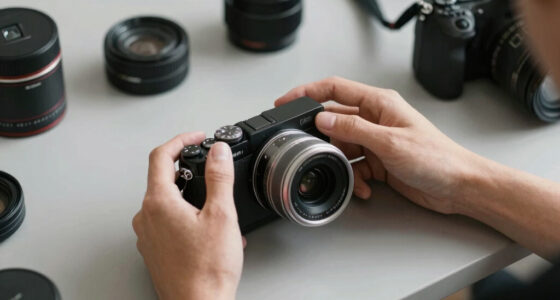
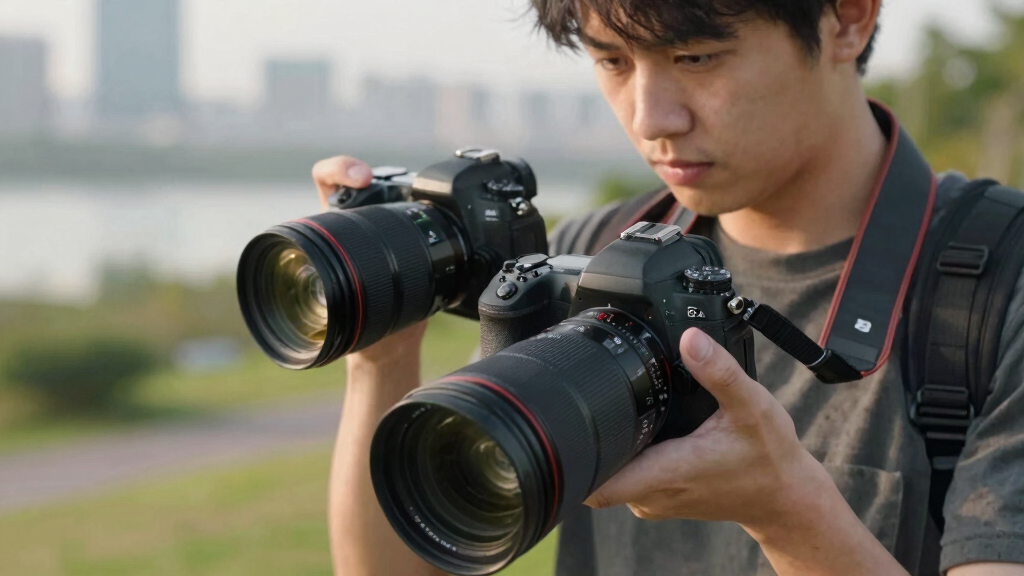
mirrorless camera with live exposure preview
As an affiliate, we earn on qualifying purchases.
As an affiliate, we earn on qualifying purchases.
Where Mirrorless Makes Your Day Easier
Mirrorless vs DSLR favors mirrorless when speed, silence, and preview save your skin. You see exposure, white balance, and focus peaking before you press the shutter. Eye autofocus can cling to a face while you reframe. For weddings, street work, travel, and video, that feedback feels like headlights on a dark road.
During a quiet ceremony, a silent shutter lets you work without the little slap of a mirror announcing every frame. For portraits, eye detection helps when a child rocks forward and back like a tiny metronome. In a small apartment shoot, you can watch the exposure brighten as you move a lamp closer, then see the skin tone cool when window light takes over. You still need to compose well, but the camera can carry more of the focusing load.
According to CIPA’s 2023 global shipment tables, mirrorless cameras shipped at roughly four times DSLR unit volume among interchangeable-lens cameras [1]. That does not make your DSLR useless, but it tells you where new lenses and autofocus work are heading.
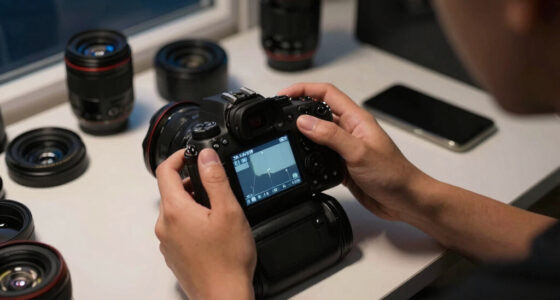
DSLR camera with optical viewfinder
As an affiliate, we earn on qualifying purchases.
As an affiliate, we earn on qualifying purchases.
Where a DSLR Still Feels Right
Mirrorless vs DSLR still gives DSLRs a clean win when you value an optical finder, a deeper grip, and all-day endurance. A DSLR does not need to wake a screen every time you compose. On long events, wildlife hides, and cold football sidelines, battery life, balance, and direct viewing matter.
On a ten-hour corporate job, a DSLR battery can feel like a full thermos in your bag: plain, useful, and hard to drain. If you are photographing speeches in the morning, headshots after lunch, and a networking room at dusk, not thinking about charging is its own kind of luxury. The CIPA battery-life standard exists because camera makers need a shared way to measure shot counts, and mirrorless bodies usually work harder because they power a sensor and display while you frame [2].
DSLRs also have years of lenses behind them. If you already own a sharp 70-200mm, a reliable flash setup, and bodies you can run by feel, staying put can be the grown-up choice. A camera that earns money does not become bad because the industry gets excited elsewhere.
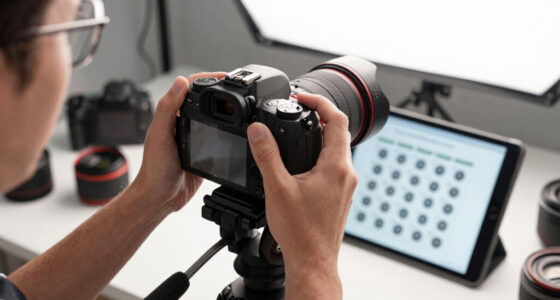
best mirrorless camera for beginners
As an affiliate, we earn on qualifying purchases.
As an affiliate, we earn on qualifying purchases.
The Differences You Can Compare in One Minute
The useful comparison is simple: mirrorless helps you see the file before you make it, while a DSLR helps you see the world without a screen. Use this table to match camera design, shooting comfort, and system age to the jobs you actually shoot.
| What you care about | Mirrorless | DSLR |
|---|---|---|
| Size and weight | Usually smaller bodies, though pro lenses can still be heavy. | Larger bodies with a solid grip, often better balanced with big glass. |
| Viewfinder | Electronic preview shows exposure, color, and focus aids live. | Optical view gives a direct, lag-free look through the lens. |
| Autofocus | Modern subject and eye tracking can be excellent for people, pets, and video. | Dedicated phase-detect systems still work well for action on many pro bodies. |
| Battery life | Often lower because screens and EVFs draw power while composing. | Often higher, which helps on long days away from chargers. |
| Video | Usually stronger for 4K, 8K, stabilization, and continuous autofocus. | Usable on many models, but stills remain the stronger native comfort zone. |
| System path | New lenses and bodies get the most brand attention. | Huge used lens shelves and many proven professional bodies. |
For example, a travel creator filming cafe scenes, street clips, and quick portraits will usually feel the mirrorless advantages every hour. A school sports photographer with two DSLR bodies, a 300mm lens, and long games under weak lights may get more value from familiar handling and battery endurance than from a new mount.
As an affiliate, we earn on qualifying purchases.
Five Steps That Point You to the Right System
You choose better by testing cameras against your hardest normal day, not your prettiest afternoon. A spec sheet feels neat, but your hands, your lenses, and your subjects tell the truth. Spend one hour with this process before you buy or switch.
- Name your hardest shoot. If it is toddlers indoors, test autofocus in ugly living-room light, not beside a bright shop window.
- Hold your longest lens. A tiny body can feel nose-heavy once you mount serious glass.
- Check the lens path. Bodies come and go, but lenses shape your images for years.
- Try the finder. Some photographers love an EVF preview; others prefer the clean glass feel of optical viewing.
- Plan power and cards. Add spare batteries, chargers, adapters, and storage to your real kit plan.
Here is the kind of test I mean: borrow or rent the camera, put on the lens you would actually use, and photograph a friend walking toward you in a dim hallway. Then shoot a backlit portrait by a window, a fast burst of someone laughing, and a short handheld video clip. If the camera makes those ordinary problems feel calmer, that matters more than a headline feature.
When a new portrait shooter asks me what to buy, I start with lenses. A modest body with a bright 50mm or 85mm lens can teach light, distance, and expression faster than a flagship body with a slow kit zoom. The body is the engine, but the lens paints the light.
The Real Cost of Switching Lives in Your Fingers
Switching from DSLR to mirrorless costs time because your fingers know old habits better than your brain admits. Buttons move, menus rename things, batteries drain faster, and adapted lenses change the balance. The first week can make simple settings, focus modes, and flash control feel strangely slippery.
I would never test a new system first on a paid wedding. Take it to a family lunch, a dog park, or a rainy street corner where mistakes only cost pride. Shoot until ISO changes, focus modes, and playback feel boring again. A good practice run is a friend’s birthday dinner: mixed light, moving faces, quiet moments, and no client waiting for a perfect gallery.
Adapters can make a switch gentler, especially when you own good DSLR lenses. Still, autofocus behavior, balance, and weather sealing can vary by lens and adapter. Rent before selling, because one awkward Saturday will teach you more than a month of spec browsing.
The Honest Take I Give Beginners and Paid Shooters
A working photographer’s honest take is this: buy mirrorless if you are building from scratch, keep a DSLR if it already serves your work, and spend more thought on lenses than bodies. The industry momentum sits with mirrorless systems, but good light, stable technique, and timing still make the photograph.
- Choose mirrorless if you want the strongest path for new autofocus, video, compact travel kits, and future lens releases.
- Choose DSLR if you want optical viewing, long battery life, a sturdy grip, and access to a wide used lens world.
- Keep what you own if your current camera focuses reliably, your clients are happy, and your money would improve lenses or lighting.
If you are a parent buying your first serious camera for family trips and school events, I would lean mirrorless because live preview and face tracking reduce frustration. If you are a part-time event shooter with two dependable DSLR bodies and flashes that fire every time, I would not rush you into a switch. I have seen beginners make lovely files on old DSLRs and messy files on modern mirrorless bodies. The camera helps, but light direction, clean backgrounds, and being ready matter more. Gear should feel like a well-worn jacket, not a puzzle box.
Frequently Asked Questions
Is mirrorless better than DSLR for beginners?
Mirrorless is usually easier for beginners because the viewfinder can show exposure, color, and focus before you shoot. That live preview shortens the learning loop. A DSLR can still teach you beautifully, especially if it leaves more room in your kit for a better lens.
Are DSLR cameras still worth buying in 2026?
DSLRs are still worth buying when the body is in good shape, the lens system fits your work, and you value battery life or optical viewing. They are less attractive as a long-term system for new buyers because new development has moved toward mirrorless.
Will my DSLR lenses work on a mirrorless camera?
Many DSLR lenses can work on mirrorless bodies with the right adapter, especially within the same brand family. Test autofocus, stabilization, and handling before you rely on that setup for paid work. An adapter can save money, but it can change the feel of the camera.
Is image quality better on mirrorless cameras?
Mirrorless does not automatically mean better image quality. Sensor size, lens sharpness, light, exposure, and processing do more work than the mirror mechanism. A well-shot DSLR file can look richer than a rushed mirrorless file with bad light.
Which is better for travel photography?
Mirrorless usually wins for travel because the bodies can be smaller, quieter, and strong for video. A DSLR can still be excellent if you prefer an optical finder and longer battery life. For travel, the best kit is the one you will carry all day without leaving it in the hotel room.
Conclusion
Choose the camera that makes your real work easier. If you are starting fresh, mirrorless is the cleaner path; if your DSLR kit still feels fast in your hands, keep making pictures.
The best choice is the one you forget about when the light turns gold, the subject relaxes, and the frame finally breathes.
Columbus Day / Indigenous Peoples' Day Picks
long weekend sales
As an affiliate, we earn on qualifying purchases.