
TL;DR

Get audio and creator gear delivered free with Prime
- Fast, free delivery on millions of items
- Prime Video, Amazon Music and more included
- Member-only deals all year
Canvas camera bags are quiet, tough, and classic, but they need treatment for serious rain. Nylon is the practical travel pick because it is lighter and usually better in wet weather, while leather looks polished and ages beautifully but asks for more care and adds weight. Choose the material around your weather, carry time, and how rough your shooting days get.
A camera bag fails in small ways before it fails loudly: a damp zipper, a sagging shoulder strap, a corner that scuffs white after one brick wall. I have learned to judge camera bag materials by the ugly moments, not the showroom shelf: rain on a station platform, grit under a tripod foot, and ten hours on your back.
This guide gives you a field overview of canvas, nylon, and leather without turning the bag into a chemistry lesson. You will learn what each material does well, where it gets annoying, and how to match it to the way you actually shoot.
Choose nylon if you need the lightest practical option for travel, rain, long walks, and rough daily use.
Choose waxed or coated canvas if you want quiet handling, classic texture, and good durability with modest weather protection.
Choose leather when style, structure, and long-term patina matter more than low weight and easy care.
Denier helps compare nylon thickness, but zippers, seams, coatings, padding, and strap design matter just as much.
Clean every bag after wet, salty, dusty, or muddy shoots; small care habits extend the life of canvas, nylon, and leather.
Canvas, Nylon, and Leather in the Real World
TL;DR: Canvas is quiet, tough, and classic, but needs treatment for serious rain. Nylon is the practical travel pick because it is lighter and usually better in wet weather. Leather looks polished and ages beautifully, but asks for more care and adds weight.
Nylon
Low weight, strong abrasion resistance, and easy wet-weather cleanup make it the safest all-rounder for long carry days.
Canvas
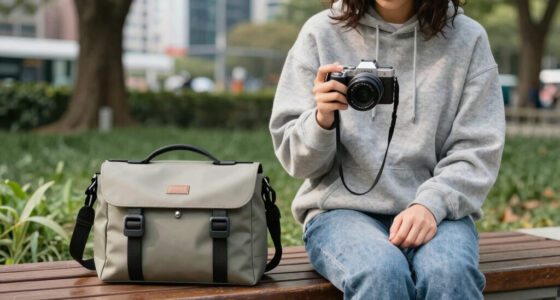
Matte, soft, low-rustle fabric works well for street, documentary, family, and slow-moving daily carry.
Leather
Structured, refined, and patina-rich, but heavier and more demanding after rain, dust, and heavy use.
Choose Around Your Worst Normal Day
A camera bag fails in small ways before it fails loudly: a damp zipper, a sagging shoulder strap, a corner that scuffs white after one brick wall. Judge the material by rain, grit, walking time, and how rough your shooting days actually get.
Quiet Toughness
Canvas feels like a work jacket: dense, matte, low-shine, and calmer than glossy technical fabric.
- Best for street, documentary, daily carry, and quiet movement.
- Needs wax or coating when heavy rain is normal.
- Brush off dried mud and re-wax when water stops beading.
Travel Practicality
Nylon is the rain shell of camera bag materials: less romantic, easier to wipe down, and kinder to your shoulders.
- Best for travel, hiking, wet weather, and long carry days.
- Look for DWR, TPU, covered zippers, and a water-resistant base.
- Denier helps, but seams and coatings decide real performance.
Patina and Polish
Leather belongs where style, structure, and first impression matter more than minimal weight.
- Best for weddings, client meetings, urban carry, and lighter kits.
- Heavier than canvas or nylon when loaded for a long day.
- Condition regularly and avoid soaking untreated leather.
A 5-Step Buying Check
The smartest material choice is not about the dream shoot. It is about the wet platform, the airport floor, the dusty trail, and the fourth hour with a loaded strap on your shoulder.
Start With Weather
Choose nylon or treated canvas if rain is normal. Choose leather only if you will protect it.
Load Real Gear
Include bodies, lenses, batteries, laptop, water bottle, tripod, and the small bits you forget.
Time the Carry
If you often carry more than four hours, lighter nylon starts to matter fast.
Check Failure Points
Inspect zippers, seams, strap anchors, padding, coating, and the bottom panel.
Match the Room
Pick canvas for quiet, nylon for workhorse travel, leather for polished client-facing carry.
At-a-Glance Comparison
Material choice affects weight, weather resistance, maintenance, and the way the bag feels in public. The outer fabric is your bag’s weather coat, work boot, and handshake all at once.
| Material | Best For | Rain Readiness | Weight | Care Level | Watch Out For |
|---|---|---|---|---|---|
| Canvas | Street, documentary, daily carry, quiet movement | ~ Good when waxed or coated | ~ Usually heavier than nylon | ~ Brush, spot-clean, re-wax as needed | Plain canvas can soak through in serious rain. |
| Nylon | Travel, hiking, wet weather, airport floors, long walks | ✓ Strong with coatings and covered zippers | ✓ Lightest practical option | ✓ Easy wipe-down maintenance | Can look more technical than classic. |
| Leather | Client meetings, weddings, urban carry, long-term patina | ✗ Water-resistant, not waterproof | ✗ Heaviest common choice | ✗ Needs conditioning and careful drying | Can feel punishing after hours with a loaded kit. |
Performance Readout
These are practical field scores, not lab claims. Zippers, seams, padding, coatings, and strap design can push a specific bag above or below its material category.
Field Strengths
Relative scores for common shooting priorities.
Weather Confidence
Where each material tends to sit before brand-specific construction is considered.
Nylon wins most rain days, waxed canvas can handle modest weather, and leather should be protected from soaking.
The Spec Sheet Decoder
Denier is useful, but it is only one clue. A thick fabric with weak seams, exposed zippers, and thin padding can still disappoint in rain and rough daily use.
Key Insight
A 1000D nylon yarn weighs 1000 grams per 9000 meters of fiber, so denier helps compare fabric thickness. Real camera bag performance still depends on zippers, seams, coatings, padding, strap design, and the base panel.
Five Takeaways Before You Buy
Choose the material around your weather, carry time, care habits, and whether your bag should disappear quietly or make a polished first impression.
Choose nylon for travel, rain, long walks, and rough daily use.
Choose waxed or coated canvas for quiet handling and classic texture.
Choose leather when style, structure, and patina matter most.
Use denier as a clue, then inspect seams, zippers, coatings, and straps.
Clean every bag after wet, salty, dusty, or muddy shoots.
The Fast Answer: Which Material Fits Your Shooting Life?
Camera Bag Materials Explained: Canvas, Nylon, and Leather can be boiled down to this: canvas gives you quiet toughness and character, nylon gives you light all-weather practicality, and leather gives you polish with more weight and care. Your best choice is the one that matches your real shooting week.
| Material | Best For | Watch Out For | Field Example |
|---|---|---|---|
| Canvas | Street, documentary, daily carry, quiet movement | Needs wax or coating for heavy rain | A waxed canvas shoulder bag sliding under a cafe table after a morning photo walk |
| Nylon | Travel, hiking, wet weather, long carry days | Can look technical rather than classic | A 500D or 1000D nylon backpack riding through airport floors and drizzle |
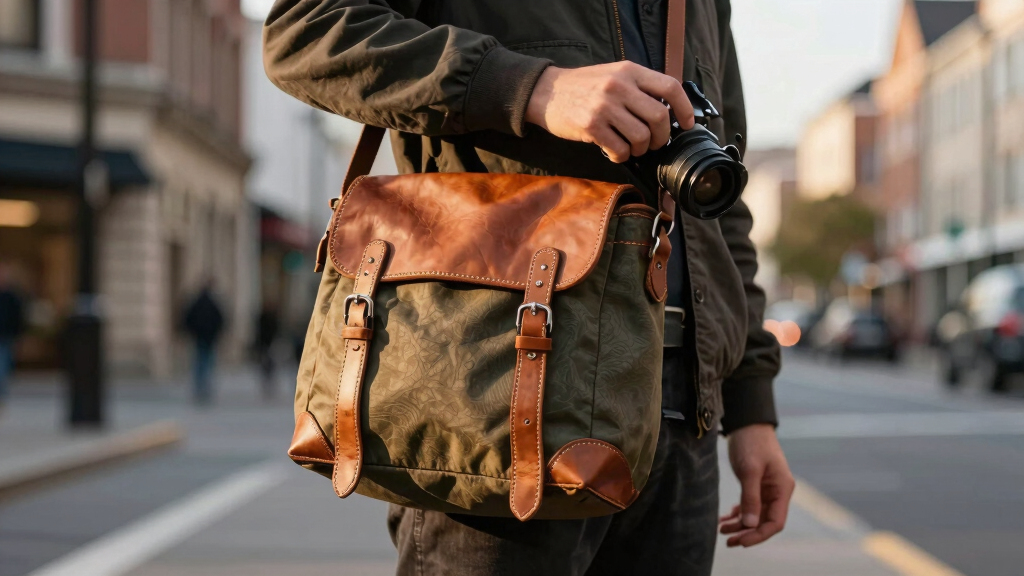
| Leather | Client meetings, weddings, urban carry, long-term patina | Heavier and needs conditioning | A leather messenger bag that looks better after a season of careful use |
According to PhotoMocha field guidance, material choice affects weight, weather resistance, and maintenance more than most new photographers expect [1]. In plain English, the fabric is your bag’s weather coat, work boot, and handshake all at once.
As an affiliate, we earn on qualifying purchases.
Why Canvas Feels Right When You Shoot Slowly and Move Quietly
Camera Bag Materials Explained: Canvas, Nylon, and Leather starts with one useful truth: canvas suits photographers who want strong fabric, low shine, and a bag that does not announce itself. It works well for street walks, family sessions, and documentary work where a soft, matte bag feels calmer than glossy technical gear.
Canvas has a dense, woven feel, almost like a well-used work jacket. On a cold morning shoot, I like how waxed canvas brushes against a coat without that sharp plastic rustle, and how it takes scuffs as character instead of looking instantly tired.
Picture a street photographer moving through a quiet museum courtyard with one camera body, a 35mm lens, and a spare battery. A canvas shoulder bag can rest against the hip, open without much noise, and look more like everyday carry than a gear case. That matters when you want people to keep acting naturally.
The tradeoff is water. Plain canvas can soak through, while waxed or coated canvas sheds light rain much better. If you often photograph markets, protests, or outdoor portraits where you kneel near wet pavement, look for treated canvas, covered zippers, and a rain cover.
Care is simple but not zero. Brush off dried mud, spot-clean with mild soap, and re-wax only when water stops beading on the surface. If you use wax, work in good ventilation, keep heat tools away from open flame, and test a hidden corner first.
As an affiliate, we earn on qualifying purchases.
Why Nylon Wins When Your Bag Has to Travel Hard
Camera Bag Materials Explained: Canvas, Nylon, and Leather matters most when your bag spends the day on trains, buses, gravel paths, and airplane floors. Nylon is usually the best pick for low weight, strong abrasion resistance, and wet-weather convenience, especially when paired with quality coatings and sealed seams.
Nylon is the material I reach for when I know the day will run long. A nylon backpack feels less romantic than canvas or leather, but after 12,000 steps with two bodies and a 70-200mm lens, your shoulders care more about weight savings than vintage charm.
Think of nylon as the rain shell of camera bag materials. It may not have the romance of a waxed jacket, but when you are changing gates with a laptop, a travel tripod, and a packed lens cube, it keeps the whole system lighter and easier to wipe down.
Denier helps you read a spec sheet. According to CORDURA fabric guidance, denier measures yarn mass: a 1000D yarn weighs 1000 grams per 9000 meters, while 500D weighs half that [2]. Higher denier often feels tougher, though weave, coating, and stitching matter too.
For rain, look for DWR finishes, TPU coatings, covered zippers, and a base panel that does not drink water from the ground. A nylon bag is not truly waterproof unless the seams and closures also block water, but it is often the easiest material to trust in a quick downpour.
As an affiliate, we earn on qualifying purchases.
When Leather Is Worth the Weight and Care
Leather is the right camera bag material when you want structure, polish, and a surface that grows richer with use. It suits photographers who carry lighter kits, meet clients in person, or want a bag that looks at home beside a blazer, not only beside hiking boots.
Good leather ages like a contact sheet from your working life. Corners darken, the strap softens, and the bag develops patina, which is just visible memory: sun, hands, weather, and miles pressed into the surface.
A leather bag makes the most sense for a wedding photographer carrying a small mirrorless kit into a hotel suite, or a portrait photographer arriving at a client office with one body, two primes, and a tablet. In those rooms, the bag is part of the first impression, almost like clean shoes or a pressed shirt.
The catch is weight. A leather messenger with a mirrorless body, two primes, batteries, and a tablet can feel charming at 9 a.m. and punishing by late afternoon. If your shoots often include long walks, crowded stations, or fast lens changes, test the loaded bag before falling for the look.
Leather also needs care. Wipe dust with a soft cloth, condition it a few times a year, and avoid soaking it. If rain hits, dry it slowly at room temperature because direct heat can stiffen, stain, or crack the hide.
As an affiliate, we earn on qualifying purchases.
A 5-Step Check That Keeps You From Buying the Wrong Bag
The smartest way to choose a camera bag material is to match it to your worst normal day, not your dream shoot. Think about the weather, walking distance, gear weight, and how polished or invisible you want to look while working.
- Start with weather: choose nylon or treated canvas if rain is normal, and choose leather only if you will protect it.
- Load your real kit: include camera, lenses, batteries, laptop, water bottle, and the small bits you always forget.
- Time the carry: if you often carry for more than four hours, lighter nylon starts to make more sense.
- Match the setting: canvas blends into street work, nylon fits travel and trails, and leather suits client-facing days.
- Check the weak points: inspect zippers, stitching, base panels, dividers, and strap anchors before you judge the outer material.
For example, if your normal Saturday is a train ride, two hours of street shooting, lunch with the bag under your chair, then a rainy walk home, treated canvas or nylon is the sensible lane. If your normal job is a half-day indoor portrait session with a small kit and a client meeting afterward, leather becomes easier to justify.
Here is the field test I use in shops: I load the bag, close it, pick it up by every handle, and walk a loop. If the strap bites, the flap fights me, or the zipper snags, the material cannot save it.
Simple Care Moves That Keep Each Material Working Longer
Camera bag materials last longer when you clean them lightly, dry them slowly, and treat water resistance as a feature that wears down. Canvas, nylon, and leather all benefit from regular dust removal, dry storage, and quick attention after rain, salt spray, or spilled coffee.
- Canvas: brush off dirt when dry, spot-clean with mild soap, and refresh wax when water stops beading.
- Nylon: wipe with a damp cloth, rinse salt or mud from the base, and avoid harsh solvents that can damage coatings.
- Leather: wipe gently, condition when it feels dry, and keep it away from radiators, hair dryers, and hot car interiors.
Think of care like cleaning a lens filter before the next job. You are not trying to make the bag look new forever; you are removing the grit, salt, and moisture that turn small wear into stuck zippers, stained corners, and stiff straps.
After a seaside portrait job, I once found a fine crust of salt on the bottom of my bag. Ten minutes with a damp cloth saved the zipper from that gritty, grinding feel. Small maintenance is boring in the best way: it prevents drama.
Water-resistant means the material slows water down. Waterproof means the whole bag, including seams and closures, is built to keep water out under tougher exposure.
When Hybrid and Eco-Friendly Materials Make Sense
Hybrid camera bags make sense when you want one material’s strength without accepting all of its drawbacks. Think of them like a good travel jacket: tougher fabric where it scrapes, softer fabric where it touches you, and reinforced pieces where your hands pull every day. A bag might use canvas for feel, nylon for wet zones, and leather for grab points, giving you a balanced carry for mixed city, travel, and weekend work.
Picture a photographer leaving before sunrise for a damp trail, then heading straight to a cafe to edit, then photographing a small event at night. A nylon bottom can sit on wet grass without panic, canvas sides keep the bag from looking like expedition gear indoors, and leather zipper pulls give your fingers something solid to find in the dark.
Another common example is the commuter photographer: laptop sleeve against the back, padded nylon base on the subway floor, canvas front panel for a softer city look, and synthetic leather trim on the handle where daily grip wears hardest. None of those choices is glamorous on its own, but together they make the bag easier to live with Monday through Sunday.
Recycled nylon, plant-based leather alternatives, and synthetic leather are now common enough that you will see them beside traditional materials. They can be practical choices, but read the details: coating quality, stitching, and repairability still decide whether the bag survives real use. A recycled nylon shell with weak seams is like a sharp lens on a shaky tripod: the headline spec sounds good, but the support system decides the result.
Frequently Asked Questions
Is canvas or nylon better for a camera bag?
Nylon is better for wet weather, air travel, and long carry days because it is usually lighter and more water-resistant. Canvas is better when you want a quieter, more classic bag for street, documentary, or everyday photography.
Are leather camera bags practical for everyday use?
Leather camera bags can be practical if you carry a smaller kit and do not mind regular care. They look polished and age beautifully, but they add weight and need conditioning to stay supple.
What does denier mean in nylon camera bags?
Denier measures yarn mass, so higher numbers usually mean a thicker, heavier fabric. A 1000D nylon often feels tougher than 500D, but the bag’s coating, weave, stitching, and zipper quality still matter.
Can I waterproof a canvas or leather camera bag?
You can improve water resistance, but you cannot turn every bag into a waterproof case. Use canvas wax or fabric treatment for canvas, leather conditioner or protector for leather, and always follow product directions in a ventilated space.
Which camera bag material is best for beginners?
Nylon is usually the easiest starting point because it is light, practical, and forgiving in changing weather. If your shooting is mostly casual city work, treated canvas is also a friendly choice with a softer look.
Conclusion
The best camera bag material is the one that disappears while you work. If you shoot long travel days, pick nylon; if you shoot quiet city stories, pick treated canvas; if you want a bag that walks into client rooms with confidence, pick leather.
Load the bag with your real kit before you decide. The right material should feel like a trusted camera strap: present, steady, and easy to forget until the day is done.
Halloween Picks
halloween
As an affiliate, we earn on qualifying purchases.