TL;DR

Get audio and creator gear delivered free — and shop member deals
- Fast, free delivery on millions of items
- Access to Prime Big Deal Days deals on October 6–7
- Prime Video, Amazon Music and more included
The TSA announced it seized merchandise associated with rapper Tyler, the Creator, along with fake IDs at an airport security checkpoint. The incident highlights ongoing security measures but details remain limited.
The Transportation Security Administration (TSA) has reported confiscating merchandise linked to rapper Tyler, the Creator, alongside multiple fake IDs during routine security checks at an unspecified airport. The agency highlighted this operation as part of ongoing efforts to prevent prohibited items from passing through security, emphasizing the importance of vigilance in passenger screening. This incident draws attention because Tyler, the Creator is a prominent artist with a large fanbase, and the seizure of his merchandise is unusual in the context of typical security procedures.
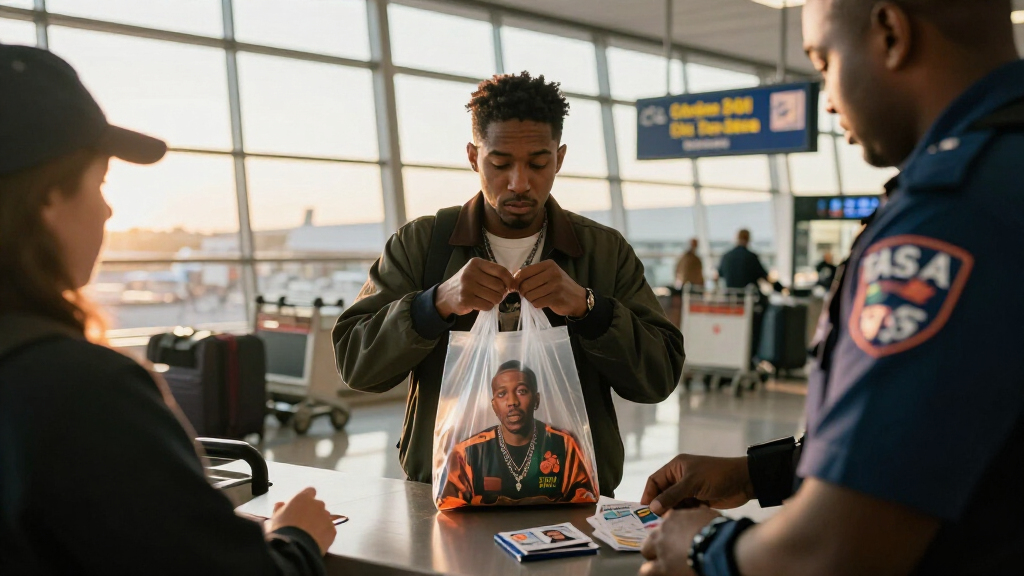
According to the TSA, during a recent security screening, officers identified and confiscated items including merchandise bearing Tyler, the Creator’s branding, as well as several fake IDs. The TSA did not specify the exact airport, date, or number of items seized, citing security protocols that limit detailed disclosures. The merchandise was flagged because it was deemed potentially prohibited or suspicious, and the fake IDs were confiscated as part of broader efforts to combat identity fraud and illegal items at checkpoints.
Officials confirmed that the merchandise included clothing and accessories featuring Tyler, the Creator’s logo and imagery, which were not authorized for transport through security. The fake IDs were reportedly found among travelers attempting to bypass identification checks. The TSA emphasized that such seizures are routine but highlighted this case due to the involvement of high-profile merchandise and the potential implications for security enforcement.
Implications of Seizing Artist Merchandise and Fake IDs
This incident underscores the TSA’s ongoing efforts to tighten security and prevent the transport of unauthorized items, including counterfeit or prohibited merchandise. The seizure of Tyler, the Creator’s merchandise, a globally recognized artist, raises questions about the scope of security checks and the potential for high-profile items to be targeted or misused. Additionally, the confiscation of fake IDs highlights ongoing challenges in identity verification and fraud prevention at airports, which are critical for maintaining security integrity. While the event appears routine, it also points to broader issues of security vigilance amid increasing travel volumes and evolving threats.
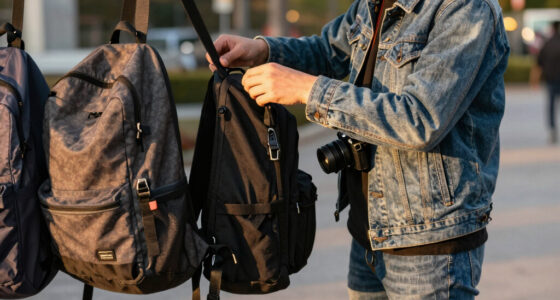
Tyler the Creator merchandise travel bag
As an affiliate, we earn on qualifying purchases.
As an affiliate, we earn on qualifying purchases.
Security Measures and Artist Merchandise in Transit
The TSA routinely conducts security screenings to intercept prohibited items, including counterfeit goods and fake identification documents. Merchandise bearing popular artists’ branding is often subject to scrutiny, especially if it appears unauthorized or counterfeit. The involvement of Tyler, the Creator’s merchandise is notable because it reflects the intersection of celebrity culture and security protocols, with high-profile items sometimes attracting additional attention. The use of fake IDs remains a persistent issue at airports, linked to attempts to bypass age restrictions or security checks, and is a focus of ongoing enforcement efforts.
Historically, the TSA has increased scrutiny on items that could pose security risks, including counterfeit goods and fraudulent documents. This incident aligns with broader trends of heightened security awareness, especially amid concerns about illegal items being smuggled through travel hubs. The specific circumstances surrounding this seizure, such as whether it was part of a targeted operation or a routine check, remain unclear.
As an affiliate, we earn on qualifying purchases.
Details of the Seizure and Its Broader Context Unclear
It is not yet clear which airport the seizure took place at, the exact date, or the number of items confiscated. The motives behind the specific targeting of Tyler, the Creator’s merchandise, and whether this reflects a broader trend or a one-off incident remain unknown. Additionally, there is no information on whether any travelers were detained or faced legal consequences as a result of the fake IDs or merchandise.
airport security merchandise confiscation
As an affiliate, we earn on qualifying purchases.
As an affiliate, we earn on qualifying purchases.
Next Steps in Security Enforcement and Investigation
The TSA is expected to continue routine security operations and may release additional details if further investigations reveal more about this incident. Authorities could also increase scrutiny of artist merchandise and fake IDs in the future, especially if linked to larger security concerns. Travelers should remain aware of security protocols and avoid attempting to bring unauthorized items or fake identification through checkpoints.
authorized artist merchandise accessories
As an affiliate, we earn on qualifying purchases.
As an affiliate, we earn on qualifying purchases.
Key Questions
Why was Tyler, the Creator’s merchandise targeted?
The TSA did not specify why the merchandise was flagged, but it may relate to concerns over unauthorized branding or potential security risks associated with certain items.
Are fake IDs commonly seized at airports?
Yes, fake IDs are a frequent target of TSA screening efforts, as they pose security risks and are often used to bypass identification checks.
Could this lead to legal action against travelers?
It is possible, especially if fake IDs are linked to illegal activities. However, specific legal consequences depend on individual circumstances and local laws.
Will there be more seizures like this in the future?
The TSA routinely conducts security checks, and seizures of prohibited or suspicious items are expected to continue as part of standard procedures.
Does this indicate a new security threat?
There is no evidence to suggest a new threat; this appears to be part of ongoing security measures aimed at preventing illegal items from passing through checkpoints.
Source: rss
Fall Picks
fall essentials
As an affiliate, we earn on qualifying purchases.