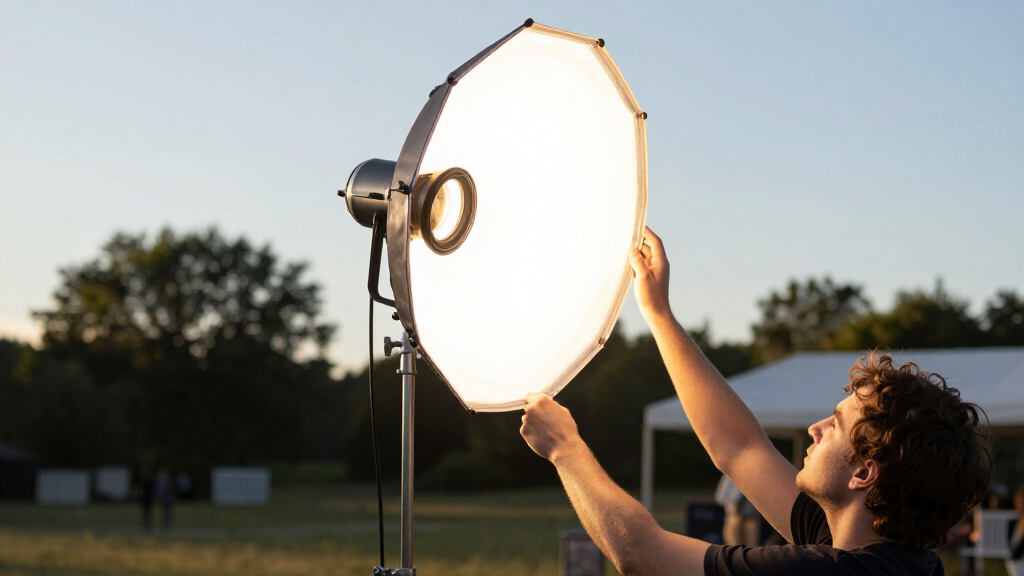

Choosing the best light stands means balancing stability, working height, portability, and the weight of the equipment being supported. I rank the SmallRig 110-Inch Air-Cushioned Light Stand as the best overall because its tall aluminum design and controlled column movement suit a wide range of photo and video setups. The NEEWER Heavy-Duty C-Stand is my premium choice for boom-mounted lights and modifiers, while the Amazon Basics two-pack offers better value for buyers who need two portable supports. Lighter tripod stands are easier to carry, but stainless steel models and C-stands provide a steadier base at the cost of added weight and storage bulk. Continue reading for the full breakdown of which stand best matches each type of buyer.
Play games included with Prime
Start a Prime free trial and play with Amazon Luna on your devices.
Start playingAs an affiliate, we earn on qualifying purchases.
Complete the kit


Key Takeaways
- SmallRig’s 110-inch air-cushioned stand earned the top position by combining greater working height with a lighter tripod format that is easier to move than the stainless steel alternatives.
- NEEWER’s 10.5-foot C-stand offers the strongest positioning package in the lineup because its boom arm and two grip heads support arrangements that ordinary vertical stands cannot match.
- The Amazon Basics, EMART, and amazon.com/dp/B0F23JZNKP?tag=photomocha-20&ascsubtag=dc-370733″ target=”_blank” rel=”nofollow sponsored noopener”>NEEWER aluminum two-packs lower the cost per support, but their appeal depends more on quantity and portability than on suitability for large modifiers.
- Stainless steel models make more sense for fixed studio layouts, while the SmallRig and K&F CONCEPT aluminum options are better aligned with frequent transport and quick repositioning.
- Maximum height did not decide the ranking by itself: cushioning, adapter flexibility, stand type, and included hardware created more meaningful differences between models with similar height ranges.


| light stand | Material | Minimum Height | Maximum Height |
|---|---|---|---|
| SmallRig Photography Light Sta | Aluminum with metal support parts | 94cm | 280cm / 9.2ft |
| SmallRig 74.8-inch Adjustable | Anodized aluminum alloy | 42cm | — |
| NEEWER Basics SC320 Lite Stain | 100% stainless steel | — | — |
| Amazon Basics Portable Aluminu | Aluminum | 2.8ft | 6.7ft |
| EMART 7Ft Light Stand for Phot | Aluminum alloy | 2.5ft | 7ft |
| 9.2 FT Stainless Steel Photogr | Steel | 3.5 ft (1.1 m) | 9.2 ft (2.8 m) |
| K&F CONCEPT Light Stand for Ph | High-quality metal | 112 cm | 280 cm (9.1 ft) |
| NEEWER 7.2ft/2.2m Stainless St | Stainless steel | 3.2 ft (97 cm) | 7.2 ft (220 cm) |
| NEEWER Photography Light Stand | Aluminum alloy | 28.3 in (72 cm) | 83 in (210 cm) |
More Details on Our Top Picks
SmallRig Photography Light Stand 110-inch Air-Cushioned Aluminum Tripod
I rank the SmallRig 110-inch Light Stand first because it balances reach, load capacity, and safer height changes better than the lighter stands here. Its air-cushioned center column slows mounted equipment during adjustment, while the 8kg rating accommodates larger lights that would overwhelm the SmallRig 74.8-inch model. The broad 1.2m leg spread also favors stability over minimal floor space. Compared with the NEEWER Basics C Stand, this model is easier to handle for conventional overhead or eye-level lighting, but it lacks a boom arm and the same heavy steel construction. It is also less travel-friendly than compact alternatives. I see this as the strongest general-purpose choice for buyers who want serious capacity without C-stand complexity, provided they have room for its footprint.
Pros:- Air cushioning reduces abrupt drops during height changes
- 8kg capacity supports more substantial lights and modifiers
- 2.8m maximum height provides useful overhead positioning
- Metal support parts and flip locks suit repeated setup
Cons:- Bulkier and heavier to transport than compact aluminum stands
- Wide leg spread consumes considerable studio floor space
- No boom arm for offset or directly overhead placement
Best for: Studio photographers and video creators mounting medium-to-heavy lights who want tall reach and controlled height adjustments
Not ideal for: Frequent air travelers or creators working in cramped rooms, since the tall aluminum structure and 1.2m leg spread favor stability over compactness
- Minimum Height:94cm
- Maximum Height:280cm / 9.2ft
- Maximum Load:8kg
- Material:Aluminum with metal support parts
- Support Bar Thickness:2.66mm
- Support Bar Width:15mm
- Maximum Leg Spread:1.2m
- Thread Adapter:1/4-inch stainless steel
- Warranty:2 years
Our verdict“This is my best all-around pick for buyers who need dependable height and capacity without moving to a full steel C stand.”
SmallRig 74.8-inch Adjustable Light Stand
The SmallRig 74.8-inch Adjustable Light Stand earns the compact slot through its 16.5-inch folded length and 2.14lb weight. Those figures matter for creators carrying lights between homes, offices, or outdoor locations, where the larger SmallRig 110-inch stand becomes cumbersome. Its 42cm minimum height also works well for low accent lighting and tabletop scenes. The compromise is a 4kg-class load limit and a maximum height of 190cm, leaving less headroom for big softboxes or steep overhead angles. Compared with the Amazon Basics pair, this stand packs much shorter and feels geared toward single-light mobility, though Amazon supplies two stands for the purchase. I rank it as the most travel-friendly standalone option, not as the answer for large modifiers or permanent studio rigs.
Pros:- Folds to 16.5 inches for compact bags and tight storage
- Weighs only 2.14lb for easier location work
- Low 42cm starting height suits tabletop and accent lighting
- Anti-slip feet add grip on smooth indoor surfaces
Cons:- 8.8lb capacity restricts heavier lights and modifiers
- 6.23ft maximum height offers limited overhead reach
- Sold as one stand rather than a ready-made lighting pair
Best for: Mobile content creators and hobby photographers carrying one compact LED light, flash, or small softbox
Not ideal for: Studio users mounting heavy monolights or needing lights well above standing head height, due to its 8.8lb limit and 6.23ft ceiling
- Minimum Height:42cm
- Extended Height:190cm / 6.23ft
- Maximum Load:8.8lb
- Folded Length:16.5 inches
- Stand Weight:2.14lb
- Material:Anodized aluminum alloy
- Screw Compatibility:1/4-inch-20
Our verdict“I recommend this to mobile shooters who value a short folded package more than high reach or heavy-load support.”
NEEWER Basics SC320 Lite Stainless Steel C Stand with Boom Arm
I place the NEEWER Basics SC320 Lite in the heavy-duty role because its stainless steel column, turtle base, grip heads, and 128cm arm solve jobs ordinary tripods cannot. The center column supports 20kg, and the boom holds 8kg, giving photographers more confidence when positioning a monolight or reflector away from the stand’s center. Compared with the SmallRig 110-inch stand, its 10.5ft reach and offset mounting offer greater control for hair lights and overhead modifiers. That capability comes with real costs: steel is harder to carry, the footprint demands care, and balancing a loaded arm takes longer than opening a basic tripod. I rank it below the general-purpose SmallRig for portability, but it is the clear studio-workhorse choice when placement flexibility matters more than quick transport.
Pros:- Stainless steel construction supports demanding studio use
- 20kg center-column capacity exceeds the aluminum options
- 128cm boom arm enables offset and overhead positioning
- Turtle base, dual grip heads, and two thread sizes expand mounting choices
Cons:- Steel construction is considerably less convenient to carry
- Boom loads require careful balance and suitable counterweighting
- More components and adjustments slow setup compared with tripod stands
Best for: Studio photographers, filmmakers, and small production crews positioning heavier lights, flags, or reflectors on an offset arm
Not ideal for: Solo travel photographers who need fast, lightweight setups, because the steel build and boom assembly add carrying and setup demands
- Material:100% stainless steel
- Height Range:4.7ft to 10.5ft / 146cm to 320cm
- Boom Arm Length:4.2ft / 128cm
- Boom Capacity:17.6lb / 8kg
- Center Column Capacity:44lb / 20kg
- Mounting Screws:1/4-inch and 3/8-inch
- Base Type:Turtle base
- Included Grip Heads:2
- Foldable:Yes
Our verdict“This is my pick for controlled studio setups where load capacity and off-axis placement outweigh portability.”
Amazon Basics Portable Aluminum Photography Light Stand Tripod, Pack of 2
The Amazon Basics Light Stand two-pack takes the budget role by supplying a matched pair and carrying cases for a simple two-light setup. Each stand rises from 2.8ft to 6.7ft, enough for interviews, product photography, and background lights without paying for taller professional hardware. Against the EMART 7Ft pair, however, Amazon’s section-dependent load ratings are far more restrictive: the fully extended third section is rated for only 1.1lb, while EMART claims 11lb per stand. That makes this set better for flashes, compact LEDs, or lightweight accessories than softboxes exposed to leverage or wind. The 2.38ft folded length is also less convenient than the SmallRig 74.8-inch model. I rank it as the lowest-cost route to two positions, with capacity being the defining sacrifice.
Pros:- Two stands provide an immediate key-and-fill arrangement
- Included cases simplify storage and local transport
- 6.7ft maximum height covers common seated and standing subjects
- Aluminum construction keeps the pair manageable
Cons:- Upper-section capacity falls to 1.1lb at full extension
- Adjustment hardware can feel cumbersome during frequent repositioning
- 2.38ft folded length is relatively long for travel
Best for: Beginners building an inexpensive two-light kit around speedlights, compact LEDs, or lightweight background fixtures
Not ideal for: Creators using large softboxes or heavier monolights, especially at full extension where the upper section has a 1.1lb rating
- Number of Stands:2
- Minimum Height:2.8ft
- Maximum Height:6.7ft
- Material:Aluminum
- Section Load Ratings:7lb first section; 5.5lb second; 1.1lb third
- Folded Length:2.38ft
- Screw Tip:1/4-inch
- Color:Black
- Carrying Cases:Included
Our verdict“I would choose this pair for an inexpensive lightweight lighting kit, but not for heavy fixtures or large modifiers.”
EMART 7Ft Light Stand for Photography, 2 Pack
I give the EMART 7Ft Light Stand pair the softbox role because its claimed 11lb capacity per stand offers much more breathing room than the Amazon Basics set, especially once a modifier and bracket are attached. The 2.5ft-to-7ft range supports low background placement as well as lighting above a standing subject, while each 2.2lb aluminum stand remains manageable for location work. This is still not a substitute for the NEEWER Basics C Stand: large modifiers create leverage, and outdoor setups may need sandbags even when the fixture falls below the stated limit. Its seven-foot ceiling also trails the 9.2-foot SmallRig. Within the portable pairs, though, I rank EMART ahead for stronger fixture support and a slightly broader working range, accepting less overhead reach than the taller single-stand choices.
Pros:- 11lb claimed capacity per stand suits moderate lighting kits
- Two-stand package supports key-and-fill configurations
- 2.5ft minimum height allows low background or accent placement
- 2.2lb weight per stand keeps the kit portable
Cons:- Large softboxes can require sandbags or added stabilization
- 7ft maximum height limits steep overhead lighting angles
- Aluminum tripod design lacks the offset control of a C stand
Best for: Portrait photographers and video creators who need two portable stands for moderate softboxes, flashes, or LED fixtures
Not ideal for: Outdoor crews using oversized modifiers or buyers needing high overhead placement, since added ballast may be needed and height stops at 7ft
- Number of Stands:2
- Material:Aluminum alloy
- Minimum Height:2.5ft
- Maximum Height:7ft
- Maximum Load:11lb / 5kg per stand
- Stand Weight:2.2lb / 1kg each
- Thread Compatibility:1/4-inch
- Carrying Case:Included
Our verdict“I favor this pair for portable two-light setups that need more softbox capacity than entry-level budget stands provide.”
9.2 FT Stainless Steel Photography Stand with Adjustable Height and Dual Screw Adapters
I rank the 9.2 FT Stainless Steel Photography Stand as the strongest choice here for buyers who prioritize 9.2-foot reach and firm footing over easy transport. Its triple-reinforced base, rubber feet, steel tubing, and dual springs suit elevated lights that need more protection when sections are lowered. The K&F CONCEPT 9.1ft stand reaches nearly the same height and carries the same stated load, but this model offers both 1/4-inch and 3/8-inch connections rather than a single 1/4-inch mount. It cannot match the NEEWER 7.2ft stand’s 22-pound capacity, though, and its heavier steel build is less appealing for location work. I place it ahead of the K&F for mounting flexibility and base design, but below heavier-capacity studio hardware for large modifiers.
Pros:- Reaches 9.2 feet for elevated key, hair, and background lighting
- Triple-reinforced base and anti-slip feet provide firm placement
- Dual springs soften sudden section drops around mounted equipment
- Includes both 1/4-inch and 3/8-inch mounting options
Cons:- Steel construction is heavier and less travel-friendly than aluminum stands
- 17.6-pound limit trails the shorter NEEWER stainless steel model
- Tall setups may still need ballast outdoors
Best for: Studio and indoor portrait photographers who need a tall steel stand for medium-weight lights, cameras, or modifiers with mixed thread sizes
Not ideal for: Solo location photographers who carry equipment long distances or users mounting gear above the 17.6-pound limit
- Minimum height:3.5 ft (1.1 m)
- Maximum height:9.2 ft (2.8 m)
- Maximum load:17.6 lb
- Material:Steel
- Screw adapters:1/4 in and 3/8 in
- Base:Triple-reinforced
- Feet:Anti-slip rubber
- Cushioning:Dual springs
Our verdict“I recommend this stand for buyers who want tall, adaptable steel support and can accept extra carrying weight.”
K&F CONCEPT Light Stand for Photography, 9.1ft/2.8M Portable Extendable Photo Video Tripod Stand
The K&F CONCEPT 9.1ft Light Stand earns its place through a useful balance of full-height positioning and collapsible transport. It rises to 280cm and supports 8kg, matching the 9.2 FT Stainless Steel stand closely on reach and stated payload. I favor the K&F for photographers moving between indoor and outdoor sessions because its folding design puts more emphasis on portability; the competing steel model counters with a reinforced base, spring protection, and two thread sizes. The K&F’s non-slip feet help on smooth floors, while its metal construction is better suited to repeated setup than very light budget stands. Its limitations are a 1/4-inch-only mount and an assembly process that may frustrate beginners. Buyers using heavier studio heads should choose the 22-pound NEEWER 7.2ft stand instead.
Pros:- Extends to 280cm for high lighting angles
- Collapsible structure is practical for transport between shoots
- 8kg capacity accommodates many strobes, cameras, and softboxes
- Non-slip feet improve grip on studio flooring
Cons:- Single 1/4-inch mount is less adaptable than dual-thread alternatives
- Assembly may be more involved than beginner-oriented stands
- 8kg rating leaves less payload headroom than the NEEWER 7.2ft steel stand
Best for: Event, portrait, and content photographers who need near-9-foot positioning in a stand that collapses for regular location travel
Not ideal for: Beginners wanting the simplest setup or owners of accessories that require a native 3/8-inch connection
- Minimum height:112 cm
- Maximum height:280 cm (9.1 ft)
- Load capacity:8 kg
- Material:High-quality metal
- Screw size:1/4 in
- Feet:Non-slip
- Storage design:Collapsible
Our verdict“I would choose the K&F for frequent location work when tall reach matters more than maximum payload or dual-thread compatibility.”
NEEWER 7.2ft/2.2m Stainless Steel Light Stand with Spring Cushion and Reversible Adapter
I place the NEEWER 7.2ft Stainless Steel Light Stand highest among these four for payload-focused studio setups. Its 22-pound capacity exceeds both 9-foot models, giving buyers more headroom for a strobe and modifier even though the stand stops at 7.2 feet. Spring cushioning reduces the severity of a sudden section drop, while the reversible 1/4-inch and 3/8-inch adapter accepts a broader accessory mix than the K&F CONCEPT stand. Corrosion-resistant stainless steel also suits frequent studio handling, but the 4.16-pound weight is less friendly for travel than aluminum alternatives. Height is the larger compromise: neither high overhead placement nor very elevated background lighting is its specialty. Sandbags are also separate, and I would add ballast whenever a broad modifier shifts the center of gravity.
Pros:- 22-pound rating provides the highest stated capacity in this batch
- Spring cushioning protects mounted equipment during height changes
- Reversible adapter supports both 1/4-inch and 3/8-inch accessories
- Stainless steel construction resists corrosion
Cons:- Maximum height is two feet shorter than the tallest options
- Heavier to carry than lightweight aluminum stands
- Sandbags must be purchased separately for added stability
Best for: Studio photographers mounting moderately heavy strobes, compact monolights, or softboxes below 7.2 feet
Not ideal for: Photographers who need lights above 7.2 feet or want the lightest possible stand for air travel
- Material:Stainless steel
- Minimum height:3.2 ft (97 cm)
- Maximum height:7.2 ft (220 cm)
- Load capacity:22 lb (10 kg)
- Stand weight:4.16 lb
- Item dimensions:28.74 x 4.13 x 3.54 in
- Cushioning:Spring cushion
- Adapter:Reversible 1/4 in to 3/8 in
Our verdict“I recommend this NEEWER model when load capacity and accessory compatibility matter more than maximum height.”
NEEWER Photography Light Stand, 7 Feet / 210cm Aluminum Alloy Tripod (2 Pieces)
The NEEWER 7 Feet Aluminum Light Stand two-pack is my choice for buyers building a basic two-light setup without purchasing stands separately. Each unit folds down from an 83-inch working height to 28.3 inches, and aluminum construction makes the pair easier to move than the steel NEEWER 7.2ft stand. The tradeoff is substantial: its 5.51-pound maximum load per stand is far below that model’s 22-pound rating and better suited to speedlights, LED panels, umbrellas, or light softboxes. Secure locks are helpful only when the payload stays within that modest ceiling. Compared with the Amazon Basics and EMART two-packs elsewhere in the roundup, this kit fills the same starter role, while its supplied data makes the low capacity clear. I would skip it for monolights, large modifiers, or wind-exposed outdoor work.
Pros:- Two stands support an immediate key-and-fill lighting arrangement
- Aluminum construction keeps the kit relatively portable
- 83-inch maximum height covers common portrait and video positions
- Compact 28.3-inch minimum height supports lower-angle placement
Cons:- 5.51-pound capacity per stand rules out much heavier lighting equipment
- Seven-foot reach is lower than the 9-foot options
- Lightweight construction is less reassuring with broad modifiers or outdoor wind
Best for: Beginners, streamers, and home-studio creators assembling a two-light setup with speedlights, small LED panels, or umbrellas
Not ideal for: Photographers using heavy monolights, large softboxes, or outdoor modifiers that demand greater load capacity and stability
- Material:Aluminum alloy
- Minimum height:28.3 in (72 cm)
- Maximum height:83 in (210 cm)
- Maximum load per stand:2.5 kg (5.51 lb)
- Number of pieces:2
- Stand style:Adjustable tripod
Our verdict“I recommend this pair for lightweight two-light kits, but buyers with heavy heads or large modifiers should move to a steel stand.”
How We Picked
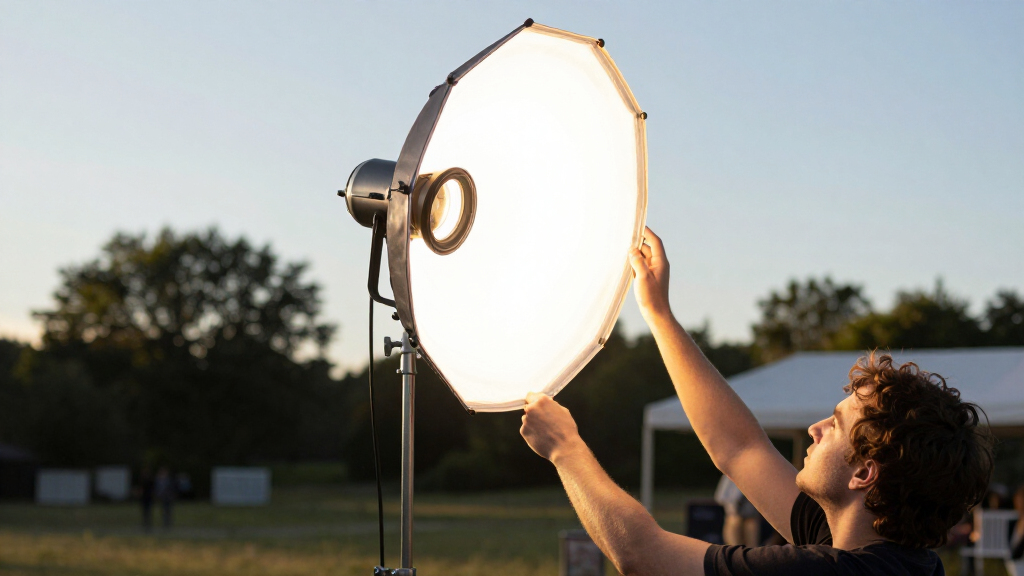
I compared these nine stands by examining stand design, material, maximum height, cushioning, mounting hardware, and pack configuration. I gave the most weight to stability relative to portability because a stand must support its intended light without becoming needlessly difficult to carry or store. Working height mattered when it expanded placement choices, especially for overhead lighting, standing portraits, and large modifiers. I also examined whether each model included boom arms, grip heads, reversible adapters, carrying cases, or a second stand, since those additions can change what a buyer must purchase separately. Value was judged by useful capability and included equipment rather than by quantity alone.
The ranking favors models that serve a broad range of setups while keeping their compromises manageable. That logic places the SmallRig 110-inch model first: it combines tall reach, air cushioning, and aluminum construction without taking on the bulk of a C-stand. The NEEWER C-stand ranks next because it offers better control for demanding studio arrangements, although its weight and footprint make it less convenient for casual use. Two-packs rise when they offer a practical route to a key-and-fill setup, but they rank below the leaders when their lighter construction limits the equipment I would pair with them. More specialized stainless steel and compact models appear later because they solve narrower problems rather than serving as the strongest single stand for most buyers.
Factors to Consider When Choosing Best Light Stands
The right stand depends less on the camera being used and more on what will sit on the stand, where it will be placed, and how often it must be moved. I would match the support to the complete lighting assembly rather than choosing from maximum height or price alone.
Match the Stand to the Complete Lighting Load
A light stand supports more than the lamp itself, so I would calculate the combined weight of the light, modifier, bracket, battery, and cables. A large softbox also creates leverage and catches airflow, making it harder to support than a compact bare light of the same weight. Manufacturer load ratings are useful starting points, but they do not account for every off-center arrangement. I prefer leaving a generous margin rather than operating a stand near its stated limit. A wider leg spread and added ballast can improve resistance to tipping, yet neither remedy turns a lightweight stand into a C-stand. Buyers using large modifiers or boom-mounted equipment should prioritize rigidity and base design over low carrying weight.
Choose Between a Tripod Stand and a C-Stand
Standard tripod light stands are the practical choice for speedlights, LED panels, umbrellas, and moderate softboxes. They open quickly, weigh less, and usually occupy less storage space than C-stands. A C-stand adds grip hardware and supports offset placement, which is useful when a light or flag needs to extend over a subject. That flexibility comes with more weight, a less travel-friendly shape, and a base that can be awkward in a crowded home room. I would pay for a C-stand when controlled placement matters more than rapid packing. For straightforward vertical lighting, a good tripod stand remains simpler, lighter, and easier to live with.
Balance Material Against Portability
Aluminum stands reduce carrying weight, making them appealing for location work, event photography, and rooms where equipment is stored after every session. Their lighter construction can also make them easier to tip when raised high or fitted with a broad modifier. Stainless steel adds mass and rigidity, which suits studios where stands remain assembled for long periods. The penalty is felt on stairs, during vehicle loading, and whenever several stands travel together. I would not choose steel solely because it sounds more durable; lock quality, tubing design, and sensible loading also shape longevity. The better choice comes down to whether the buyer values easy transport or a heavier planted feel.
Look Beyond Maximum Height
Extra height helps place a key light above eye level, create downward illumination, or clear the top of a backdrop. Yet a tall specification has limited value if the stand becomes unstable near full extension. I would also check minimum height, collapsed length, leg footprint, and the number of column sections. A lower minimum height can be more useful for seated interviews, tabletop work, and background lights. Collapsed length determines whether the stand fits in an existing case or vehicle, while leg spread decides whether it can sit between furniture or other supports. Buyers working in small rooms may gain more from a shorter stand with a manageable footprint than from a 9-foot model. Treat maximum height as one part of the fit, not as an automatic sign of better support.
Check Cushioning, Locks, and Mount Compatibility
Air cushioning and spring cushioning slow or soften a descending column when a lock is released. This can protect fingers and reduce the chance of a mounted light dropping abruptly, especially when sections are adjusted above shoulder height. Cushioning does not replace secure locks, careful handling, or supporting the column by hand during adjustment. I would inspect the mounting system just as closely: common lights may use a 1/4-inch thread, a 3/8-inch thread, or a receiver designed for a spigot. Reversible adapters provide more flexibility and can reduce the need for loose conversion pieces. Locking knobs should be large enough to operate comfortably without encouraging overtightening. These details matter more over repeated setups than cosmetic differences, making secure locks and compatible adapters strong reasons to choose one otherwise similar stand over another.
Frequently Asked Questions
Do I Need a C-Stand or a Regular Light Stand?
I would choose a regular light stand for speedlights, compact LEDs, umbrellas, and softboxes positioned directly above the base. A C-stand makes more sense for boom-mounted lights, flags, reflectors, or arrangements that place equipment away from the center column. Its grip heads also allow finer positioning than a basic threaded adapter. The tradeoff is greater weight, more storage bulk, and slower transport. For a first home setup, a tripod stand is usually the more practical purchase unless offset mounting is already part of the plan.
How Much Weight Should My Light Stand Support?
I would add the weight of the light, modifier, mounting bracket, battery, and attached accessories, then choose a stand with capacity left in reserve. A modifier can create leverage even when the total weight appears modest, particularly if it extends far from the center column. Raising the stand also increases the effect of small movements and airflow. Published capacity should be treated as a ceiling rather than a routine working target. If the setup includes a large softbox or boom arm, I would move toward steel construction or a C-stand instead of relying on a lightweight travel model.
Is Air Cushioning Better Than Spring Cushioning?
Air cushioning usually provides a smoother, more controlled descent across the column’s travel, while spring cushioning mainly softens the impact near the end of a drop. Both systems are useful when a light remains mounted during height changes. Neither system makes it safe to release a lock without holding the column. Air cushioning is appealing for frequent adjustments and heavier fixtures, while spring cushioning can offer useful protection at a lower level of complexity. I would still place lock strength, stand stability, and load suitability ahead of the cushioning type.
Can I Use These Light Stands Outdoors?
Most can be used outdoors, but I would treat wind as the main hazard rather than assuming a heavier stand cannot tip. Umbrellas and softboxes act like sails, so even a steel model may need ballast and an assistant. Sandbags should sit over the legs or base in a way that keeps their weight low, and cables should not create trip points. I would avoid raising every column section when a lower position can produce the same lighting angle. For frequent outdoor work, a manageable stand plus proper ballast can be more useful than a very heavy support that rarely leaves the studio.
Should I Buy a Two-Pack or One Better Stand?
A two-pack is attractive when the immediate goal is a key-and-fill arrangement, two background lights, or matched supports for a small studio. One higher-grade stand is the better purchase when the main light carries a large modifier or needs greater height and stability. I would rather place the strongest stand under the most expensive or wind-sensitive equipment and add lighter stands for secondary lights later. Carrying cases and matching hardware increase the convenience of a pair, but they do not compensate for insufficient load support. Buyers building a simple speedlight kit can favor quantity, while those starting with a heavy COB light should favor one sturdier foundation.
Conclusion
For the broadest mix of height, portability, and controlled adjustment, my best overall choice is the SmallRig 110-Inch Air-Cushioned Light Stand. The Amazon Basics Portable Aluminum two-pack is my best value pick for buyers who need two basic supports and a carrying case, while the NEEWER Heavy-Duty C-Stand is the best premium option for boom work, grip accessories, and larger studio arrangements. Beginners who want a straightforward matched pair should start with the EMART 7-Foot two-pack. For a shorter stand in tighter rooms, I would choose the SmallRig 74.8-Inch model.
Buyers who want tall stainless steel support without a boom should look at the 9.2-Foot Stainless Steel Photography Stand, while the K&F CONCEPT 9.1-Foot stand is better suited to tall setups that still need an aluminum travel format. The NEEWER 7.2-Foot Stainless Steel stand fills the mid-height studio role with spring cushioning and a reversible adapter. I would reserve the NEEWER 7-Foot Aluminum two-pack for lightweight background, fill, or multi-light duties where having two matching stands matters more than maximum rigidity. The final choice comes down to a clear split: choose aluminum for mobility, stainless steel for a more planted studio setup, or the C-stand when offset positioning and grip control justify the added bulk.
Fall Picks
fall essentials
As an affiliate, we earn on qualifying purchases.