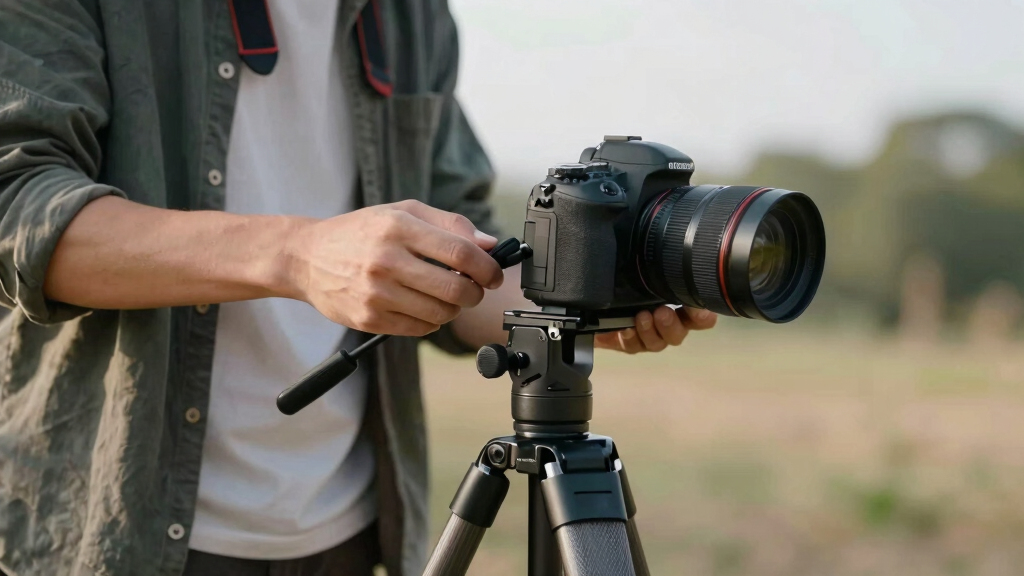

The ARTCISE KB55 is my best overall choice among the best ball heads for tripods because its low-profile 55mm design favors stability, smooth adjustment, and heavier camera setups. The Neewer Metal 360° Ball Head offers better value for lighter everyday kits, while the Manfrotto XPRO is the premium pick for buyers who want refined controls and a high stated load capacity. The main tradeoffs are weight versus rigidity, compact dimensions versus control precision, and Arca-style compatibility versus Manfrotto’s 200PL plate system. Smaller heads travel well but have less leverage against long lenses, while larger models add bulk and demand a sturdier tripod. Continue reading for my full breakdown of which design best matches each buyer and camera setup.

Get audio and creator gear delivered free with Prime
- Fast, free delivery on millions of items
- Prime Video, Amazon Music and more included
- Member-only deals all year
Complete the kit


Key Takeaways
- ARTCISE KB55 ranks first because its large, low-profile ball provides the strongest balance of stability, control, and price for demanding still-photography setups.
- Neewer delivers the best value for mainstream mirrorless and DSLR kits, but its lighter construction is less reassuring than the 55mm ARTCISE and FANAUE heads under long-lens leverage.
- Manfrotto XPRO is the premium choice, combining a high stated capacity with more refined positioning, though its 200PL plate ecosystem is less universal than Arca-style hardware.
- SmallRig BUT2665 is the clear compact pick for phones, action cameras, and small accessories; its 2kg stated limit places it in a different class from every full-size option here.
- The comparison shows that ball diameter and control design matter more than headline capacity alone: the 55mm ARTCISE and FANAUE models favor rigidity, while the Manfrotto 494 and compact Ulanzi suit lighter, faster-moving kits.
| CAVIX Tripod Ball Head with 1/4″ Arca Swiss Quick Release Plate, Aluminum, Large Ball |  | Best Overall | Material: CNC-machined aluminum | Maximum load: 44 lbs / 20 kg | Ball diameter: 46 mm | VIEW LATEST PRICE | See Our Full Breakdown |
| ARTCISE KB55 55mm Low Profile Heavy-Duty Ball Head |  | Best Heavy-Duty | Maximum load: 88 lbs / 40 kg | Ball diameter: 55 mm | Material: CNC-machined aluminum alloy | VIEW LATEST PRICE | See Our Full Breakdown |
| WEYLLAN EH46L Aluminum Alloy Tripod Ball Head with Quick Release Plate |  | Best Low-Profile | Material: CNC-machined aluminum alloy | Locking pin material: Stainless steel | Weight: 0.86 lbs / 390 g | VIEW LATEST PRICE | See Our Full Breakdown |
| Manfrotto 494 Centre Ball Head for Camera Tripods |  | Best Compact | Head type: Centre ball head | Material: Aluminum | Maximum load: 8 kg | VIEW LATEST PRICE | See Our Full Breakdown |
| Neewer Metal 360° Rotating Panoramic Ball Head with Quick Release Plate and Bubble Level |  | Best for Straightforward Setup | Material: Metal | Maximum load: 17.6 lbs / 8 kg | Rotation: 360 degrees | VIEW LATEST PRICE | See Our Full Breakdown |
| Ulanzi T100 Ball Head |  | Best for Hybrid Creator Kits | Load Capacity: 13 lbs (6 kg) | Weight: 0.42 lbs | Material: CNC aluminum alloy | VIEW LATEST PRICE | See Our Full Breakdown |
| FANAUE XB-55T Low Profile Ball Head |  | Best for Telephoto Control | Brand: FANAUE | Model: XB-55T | Ball Diameter: 55 mm | VIEW LATEST PRICE | See Our Full Breakdown |
| SmallRig Mini Ball Head BUT2665 |  | Best Compact Pick | Maximum Load: 4.4 lbs (2 kg) | Material: Aluminum alloy | Plate Screw: 1/4-inch | VIEW LATEST PRICE | See Our Full Breakdown |
| Manfrotto XPRO Ball Head with 200PL Plate |  | Best Premium High-Capacity Pick | Maximum Payload: 15 kg | Head Weight: 0.52 kg | Materials: Magnesium and aluminum | VIEW LATEST PRICE | See Our Full Breakdown |
| ball heads for tripod | Material | Maximum load | Plate screw |
|---|---|---|---|
| CAVIX Tripod Ball Head with 1/ | CNC-machined aluminum | 44 lbs / 20 kg | 1/4 inch |
| ARTCISE KB55 55mm Low Profile | CNC-machined aluminum alloy | 88 lbs / 40 kg | 1/4 inch |
| WEYLLAN EH46L Aluminum Alloy T | CNC-machined aluminum alloy | 55 lbs / 25 kg | 1/4 inch |
| Manfrotto 494 Centre Ball Head | Aluminum | 8 kg | — |
| Neewer Metal 360° Rotating Pan | Metal | 17.6 lbs / 8 kg | 1/4 inch |
| Ulanzi T100 Ball Head | CNC aluminum alloy | — | — |
| FANAUE XB-55T Low Profile Ball | — | — | — |
| SmallRig Mini Ball Head BUT266 | Aluminum alloy | 4.4 lbs (2 kg) | 1/4-inch |
| Manfrotto XPRO Ball Head with | — | — | — |
More Details on Our Top Picks
CAVIX Tripod Ball Head with 1/4″ Arca Swiss Quick Release Plate, Aluminum, Large Ball
I rank the CAVIX Tripod Ball Head first because its 44-pound rating, 46 mm ball, and three-knob layout provide a strong middle ground between portability and control. It offers far more load reserve than the Neewer head, yet it avoids the oversized 55 mm ball of the ARTCISE KB55. That balance makes it easier to pair with heavier DSLR bodies, long lenses, or video accessories without buying more head than the setup needs. The Arca Swiss plate also suits buyers who swap cameras across compatible supports. Its 360-degree pan and 90-degree tilt cover panoramic and portrait work, while the level helps with alignment. I would skip it for minimalist travel kits: the large all-metal body adds bulk, and beginners may find three separate adjustments slower than a simpler head.
Pros:- 44-pound rating provides ample reserve for heavy cameras and long lenses
- 46 mm ball offers a useful balance of stability and manageable size
- Arca Swiss plate supports quick changes across compatible equipment
- Separate controls and built-in level support precise framing
Cons:- Large all-metal construction adds weight and bulk to a travel kit
- Three-knob control layout has a steeper learning curve
- Carries less rated weight than the ARTCISE KB55
Best for: DSLR and mirrorless photographers using heavier lenses who want high capacity without moving up to an oversized 55 mm head
Not ideal for: First-time tripod users and lightweight travelers who prefer fewer controls and a smaller head
- Material:CNC-machined aluminum
- Maximum load:44 lbs / 20 kg
- Ball diameter:46 mm
- Quick-release system:Arca Swiss
- Plate screw:1/4 inch
- Supported threads:1/4 inch and 3/8 inch
- Horizontal rotation:360 degrees
- Vertical tilt:90 degrees
Our verdict“I recommend the CAVIX as the most balanced choice for photographers who need serious support without the size of the heaviest model.”
ARTCISE KB55 55mm Low Profile Heavy-Duty Ball Head
I give the ARTCISE KB55 the heavy-duty slot because its 88-pound rating and 55 mm ball exceed every other model in this batch. Compared with the CAVIX head at 44 pounds and the WEYLLAN EH46L at 55 pounds, it supplies more reserve for long telephoto lenses, cages, rails, and other demanding assemblies. The low-profile CNC body places that load close to the tripod, while adjustable friction lets the camera move without suddenly dropping when the main lock is released. Dual notches also make portrait positioning accessible from either side. This capability comes with a cost in scale: the large all-metal build is poorly matched to compact travel kits, and its tension controls reward deliberate setup. I rank it below the CAVIX for broad appeal because many photographers will never need its extreme capacity.
Pros:- Highest rated capacity in this batch at 88 pounds
- 55 mm low-profile ball supports stable positioning with heavy rigs
- Adjustable tension and friction provide controlled camera movement
- Dual drop-notches allow flexible portrait orientation
Cons:- Large all-metal design is heavy and bulky for travel
- Advanced friction setup takes practice to dial in
- Extreme capacity is excessive for small mirrorless kits
Best for: Studio, wildlife, and long-lens photographers building heavy camera rigs that need maximum load reserve
Not ideal for: Hikers, casual photographers, and beginners who would carry unnecessary bulk and may not use the advanced friction controls
- Maximum load:88 lbs / 40 kg
- Ball diameter:55 mm
- Material:CNC-machined aluminum alloy
- Plate screw:1/4 inch
- Plate security:Safety lock
- Base thread:3/8 inch
- Tilt range:45 degrees in all directions; 90 degrees through drop-notches
- Warranty:2 years
Our verdict“I would choose the ARTCISE KB55 for an unusually heavy rig, but lighter setups are better served by the CAVIX or Manfrotto 494.”
WEYLLAN EH46L Aluminum Alloy Tripod Ball Head with Quick Release Plate
The WEYLLAN EH46L earns my low-profile pick by combining a 55-pound rating with a body weighing 0.86 pounds. Its squat design keeps the camera closer to the tripod platform, which can reduce leverage when a long lens is angled away from center. Compared with the CAVIX, it carries a higher stated load while retaining an Arca Swiss clamp; compared with the 55 mm ARTCISE KB55, it is aimed at buyers who want substantial support without the largest ball in the group. A stainless steel locking pin adds durability at a high-wear point, and the included thread adapter broadens tripod compatibility. The tradeoff is that 390 grams still feels substantial beside the compact Manfrotto 494. I also see less appeal for photographers who have not standardized on Arca plates or who prefer a simpler mounting system.
Pros:- Low-profile geometry keeps heavy equipment closer to the tripod platform
- 55-pound rating exceeds the CAVIX while avoiding the ARTCISE model’s 55 mm scale
- Stainless steel locking pin supports long-term durability
- Included thread adapter fits both 3/8-inch and 1/4-inch tripod connections
Cons:- 390-gram weight is substantial for minimalist travel kits
- Arca compatibility is less useful for buyers invested in another plate system
- Lower rated capacity than the ARTCISE KB55
Best for: Long-lens and landscape photographers who want a stable low-profile Arca head with high capacity at a stated 390-gram weight
Not ideal for: Ultralight travelers and photographers whose cameras use non-Arca quick-release plates
- Material:CNC-machined aluminum alloy
- Locking pin material:Stainless steel
- Weight:0.86 lbs / 390 g
- Maximum load:55 lbs / 25 kg
- Quick-release system:Arca Swiss compatible
- Plate screw:1/4 inch
- Base thread:3/8 inch
- Included adapter:3/8-inch to 1/4-inch screw adapter
Our verdict“I favor the WEYLLAN EH46L for buyers who prioritize low-profile stability and Arca compatibility over ultralight packing.”
Manfrotto 494 Centre Ball Head for Camera Tripods
I place the Manfrotto 494 Centre Ball Head in the compact slot because it combines an 8 kg rating with a small, lightweight aluminum design. That capacity matches the Neewer head, but the Manfrotto adds independent friction control, which helps balance a camera before the main lock is loosened fully. Its separate panoramic movement is also more useful for stitched landscapes than a single shared control. Compared with the CAVIX or ARTCISE KB55, this is the more sensible match for a mirrorless body, moderate DSLR lens, or tripod that travels regularly. The compromise is reduced load reserve for large professional rigs, and the smaller controls may feel less reassuring under a long telephoto lens. Its universal round-disc attachment also lacks the immediate plate-sharing convenience of the Arca-compatible CAVIX and WEYLLAN models.
Pros:- Compact aluminum design is well suited to travel tripods
- Independent friction control helps prevent abrupt camera movement
- Separate panoramic movement supports controlled stitched images
- 8 kg rating accommodates many mirrorless and DSLR combinations
Cons:- Provides far less load reserve than the CAVIX, WEYLLAN, or ARTCISE heads
- Small format may feel undersized with large professional cameras
- Round-disc attachment is less convenient for Arca-based kits
Best for: Travel and mirrorless photographers who need independent friction and pan controls in a compact aluminum head
Not ideal for: Photographers using very large bodies, long telephoto lenses, or an established Arca Swiss plate collection
- Head type:Centre ball head
- Material:Aluminum
- Maximum load:8 kg
- Friction control:Independent
- Pan control:Independent panoramic movement
- Tripod attachment:Universal round disc
Our verdict“I recommend the Manfrotto 494 for mobile photographers who value refined controls more than maximum load capacity.”
Neewer Metal 360° Rotating Panoramic Ball Head with Quick Release Plate and Bubble Level
I include the Neewer Metal Ball Head as the straightforward choice for buyers who want familiar controls, an Arca-type plate, and visible leveling aids without the scale of a heavy-duty model. Its 17.6-pound rating matches the Manfrotto 494’s 8 kg capacity, while the horizontal and vertical bubble levels offer more framing guidance during landscape or architectural setup. The 360-degree base also supports panoramic composition. Compared with the Manfrotto, though, the supplied data does not identify independent friction control, so photographers balancing front-heavy lenses may prefer the Manfrotto’s finer adjustment. It also has far less load reserve than the CAVIX or WEYLLAN EH46L. I see the quick-release Arca-type plate as its strongest practical advantage for routine DSLR mounting, but buyers planning heavier lenses should choose a larger ball head from higher in my ranking.
Pros:- Horizontal and vertical bubble levels aid careful alignment
- Arca-type quick-release plate supports fast camera mounting
- 360-degree rotation accommodates panoramic framing
- Metal construction offers a sturdier platform than plastic alternatives
Cons:- 17.6-pound rating leaves less reserve than the CAVIX and WEYLLAN heads
- No independent friction control is identified in the supplied specifications
- Less suitable for large telephoto or video rigs
Best for: Entry-level DSLR and hobby landscape photographers who want an Arca-type plate and two-axis leveling guidance
Not ideal for: Wildlife and studio photographers using front-heavy telephoto lenses or accessory-laden camera rigs
- Material:Metal
- Maximum load:17.6 lbs / 8 kg
- Rotation:360 degrees
- Quick-release standard:Arca type
- Plate screw:1/4 inch
- Base thread:3/8 inch
- Bubble levels:Horizontal and vertical
Our verdict“I would pick the Neewer for a conventional DSLR setup where simple mounting and visible leveling matter more than heavy-load performance.”
Ulanzi T100 Ball Head
I rank the Ulanzi T100 as the best choice for creators who alternate between cameras, phones, lights, and compact video accessories. Its 13-pound capacity accommodates more ambitious setups than the SmallRig Mini Ball Head, while the 0.42-pound body remains easy to carry. A 360-degree base and 90-degree tilt give photographers broad framing freedom, and the quick-release design cuts the time spent changing equipment. That balance makes it more versatile than a miniature accessory head without reaching the bulk of the FANAUE XB-55T. The main compromise is its Uka plate dependency: buyers with established Arca-Swiss kits may need extra plates or adapters. I also would not pair it with a long, front-heavy professional lens, since the 6 kg ceiling leaves less security than the Manfrotto XPRO.
Pros:- Balances a useful 6 kg payload with a travel-friendly 0.42-pound body
- Supports both full panoramic rotation and 90-degree vertical positioning
- CNC aluminum construction provides durability without excessive weight
- Quick-release mounting suits creators who change devices frequently
Cons:- Uka plates are required to gain the full benefit of the quick-release system
- The 13-pound rating is restrictive for large telephoto or cinema configurations
- Its compact structure offers less leverage than a 55 mm heavy-duty head
Best for: Traveling hybrid creators who regularly swap between a mirrorless camera, smartphone holder, light, and microphone
Not ideal for: Photographers with heavy telephoto rigs or established Arca-Swiss plate collections, due to the 6 kg limit and Uka plate requirement
- Load Capacity:13 lbs (6 kg)
- Weight:0.42 lbs
- Material:CNC aluminum alloy
- Pan Rotation:360°
- Maximum Tilt:90°
- Screw Sizes:1/4-inch and 3/8-inch
- Quick-Release System:Uka plate compatible
Our verdict“I recommend the Ulanzi T100 to mobile creators who value broad device support more than heavy-rig capacity.”
FANAUE XB-55T Low Profile Ball Head
I give the FANAUE XB-55T the telephoto role because its low-profile design and large 55 mm precision-machined ball favor controlled movement with front-heavy lenses. It offers more substantial handling than the Ulanzi T100 or SmallRig Mini, and the independent ball and panning locks let photographers adjust composition without disturbing the panoramic base. Arca-Swiss compatibility also makes it easier to integrate into a broad plate system than the Manfrotto XPRO with its 200PL plate. Degree markings aid repeatable panoramas, while the safety lock reduces accidental plate movement. I rank it below the XPRO for buyers who need a verified payload, however, because the supplied data gives no stated load rating. The larger assembly can also overwhelm a compact travel tripod. Its lifetime warranty adds appeal for photographers building a durable field kit.
Pros:- Large 55 mm ball provides a broad, stable platform for controlled adjustments
- Independent locks separate framing changes from panoramic movement
- Arca-Swiss clamp includes a safety lock for wider plate compatibility
- Calibrated panning base supports repeatable multi-frame panoramas
Cons:- No maximum payload is stated in the supplied product data
- The 55 mm low-profile assembly may be poorly matched to compact travel legs
- Arca-style plate operation has a learning curve for first-time users
Best for: Telephoto and landscape photographers who want a large ball, independent controls, and an Arca-Swiss workflow
Not ideal for: Ultralight travelers and buyers who require a published payload rating before mounting expensive heavy equipment
- Brand:FANAUE
- Model:XB-55T
- Ball Diameter:55 mm
- Mount Compatibility:Arca-Swiss
- Tripod Connection:3/8-inch with 1/4-inch adapter
- Pan Rotation:360°
- Maximum Tilt:90°
- Panning Scale:Degree-marked base
- Warranty:Lifetime
Our verdict“I favor the FANAUE XB-55T for Arca-Swiss users who prioritize telephoto control and can accept an unstated payload rating.”
SmallRig Mini Ball Head BUT2665
I choose the SmallRig Mini Ball Head BUT2665 for lightweight cameras and accessory mounting, where a full-size head adds needless bulk. The low-profile joint lowers the center of gravity, while the engraved 5-degree panning scale gives it more photographic utility than a basic light-stand swivel. Its included thread adapter also lets it move among monopods, sliders, and tripods. Compared with the Ulanzi T100, though, its 4.4-pound capacity is far more restrictive; I would reserve it for phones, action cameras, compact mirrorless bodies, or small DSLRs with light lenses. The asymmetric tilt ranges also provide less freedom than the FANAUE XB-55T’s 90-degree slot. This model earns its place through small-kit versatility, not heavy-duty performance. Buyers should also expect slower mounting than systems built around a broader interchangeable plate ecosystem, despite the included quick-release plate.
Pros:- Compact low-profile construction keeps lightweight support kits manageable
- Laser-engraved 5-degree scale helps align multi-frame panoramic sequences
- Included thread adapter supports tripods, monopods, and sliders
- Rubber-padded plate protects mounted equipment from metal contact
Cons:- The 2 kg payload excludes many DSLR and long-lens combinations
- Uneven front and lateral tilt ranges are less flexible than larger ball heads
- The small controls may provide limited leverage with heavier permitted loads
Best for: Mobile filmmakers and photographers mounting phones, action cameras, compact cameras, or lightweight accessories on small supports
Not ideal for: DSLR and telephoto users whose combined equipment approaches or exceeds the 4.4-pound payload limit
- Maximum Load:4.4 lbs (2 kg)
- Material:Aluminum alloy
- Plate Screw:1/4-inch
- Base Thread:3/8-inch
- Included Adapter:1/4-inch to 3/8-inch
- Pan Rotation:360°
- Front Tilt:-90° to +45°
- Lateral Tilt:-50° to +50°
- Panning Scale:5° increments from ±0° to 330°
Our verdict“I recommend the SmallRig BUT2665 for compact devices and accessories, but not as a primary head for a heavy camera kit.”
Manfrotto XPRO Ball Head with 200PL Plate
I place the Manfrotto XPRO Ball Head at the premium end because its 15 kg payload gives buyers far more room for heavy bodies and long lenses than the Ulanzi T100 or SmallRig Mini. The magnesium-and-aluminum construction keeps weight to 0.52 kg, avoiding the mass buyers might expect from that rating. Its triple-lock system is the defining difference: it is built to resist drift after composition, while dual bubbles help align both common camera orientations. Compared with the FANAUE XB-55T, the published capacity makes equipment matching less speculative. The tradeoff is ecosystem choice. Its included 200PL plate is convenient for existing Manfrotto users but less interchangeable than Arca-Swiss hardware, and the controls require more familiarity than a simple single-knob head. I reserve this pick for buyers who can justify the higher price through heavy equipment or frequent professional setup changes.
Pros:- Published 15 kg payload supports demanding camera and lens combinations
- Triple-lock design resists unwanted movement after framing
- Magnesium and aluminum body balances strength with moderate weight
- Dual bubble levels aid alignment in multiple camera orientations
Cons:- Costs more than basic heads aimed at compact camera kits
- The 200PL system is less broadly interchangeable than Arca-Swiss hardware
- Multiple locking controls require more setup familiarity
Best for: Professional and advanced photographers carrying heavy camera bodies, long lenses, or multi-accessory configurations
Not ideal for: Budget travelers and Arca-Swiss users who do not want to change plates or add a compatible clamp
- Maximum Payload:15 kg
- Head Weight:0.52 kg
- Materials:Magnesium and aluminum
- Included Plate:200PL-14
- Quick-Release System:Manfrotto 200PL
- Locking System:Triple-lock
- Leveling Aids:Dual bubble levels
Our verdict“I would choose the Manfrotto XPRO for heavy equipment and dependable locking, especially when the 200PL system already fits the buyer’s kit.”
How We Picked
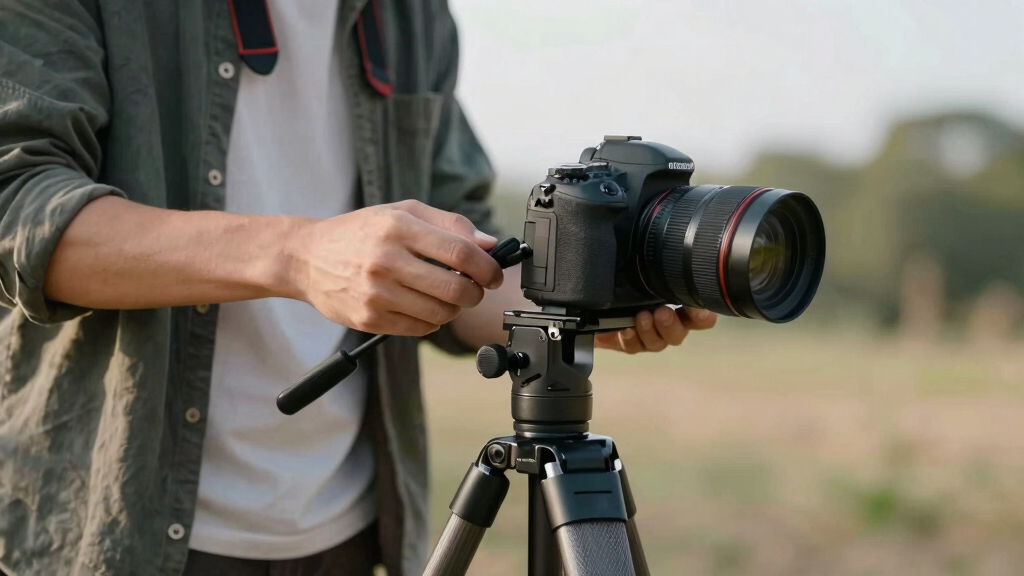
I ranked these ball heads by how well their designs address the problems photographers actually face: camera drift, awkward repositioning, plate compatibility, and unwanted travel weight. I placed more weight on ball size, low-profile geometry, control layout, materials, and realistic kit matching than on stated load capacity alone. A manufacturer’s maximum figure is a useful comparison point, but it does not show how comfortably a head holds a front-heavy lens at an angle. I also examined whether each option provides an independent panning function, practical quick-release hardware, and enough control for precise framing. That approach pushed the ARTCISE KB55 ahead of smaller budget heads without automatically handing first place to the most expensive model.
Value depended on usable capability for the price, rather than the lowest cost. The Neewer ranked highly because it covers common photographic needs without the size and expense of a 55mm head, while the Manfrotto XPRO earned its premium role through stronger specifications and a more developed control system. Compact models received credit for portability only when their lower capacity matched a clear use case. I also deducted points for ecosystem restrictions, excess bulk, vague capacity claims, and designs that leave little room for growth. The resulting order favors distinct buyer fit instead of treating all nine products as interchangeable metal joints.
| ball heads for tripod | Material |
|---|---|
| CAVIX Tripod Ball Head with 1/ | CNC-machined aluminum |
| ARTCISE KB55 55mm Low Profile | CNC-machined aluminum alloy |
| WEYLLAN EH46L Aluminum Alloy T | CNC-machined aluminum alloy |
| Manfrotto 494 Centre Ball Head | Aluminum |
| Neewer Metal 360° Rotating Pan | Metal |
| Ulanzi T100 Ball Head | CNC aluminum alloy |
| FANAUE XB-55T Low Profile Ball | — |
| SmallRig Mini Ball Head BUT266 | Aluminum alloy |
| Manfrotto XPRO Ball Head with | — |
Factors to Consider When Choosing Best Ball Heads For Tripods
I would choose a ball head around the heaviest and most front-heavy setup I expect to mount, then narrow the field by plate system, packed size, and control style. The sections below explain where buyers commonly overspend, where a small specification can change daily usability, and when a larger head earns its extra weight.
Match Capacity to Lens Leverage, Not Just Camera Weight
A camera and lens may weigh far less than a head’s advertised limit yet still creep downward after locking. That happens because a long lens places its mass farther from the ball, creating more leverage than a compact lens of equal weight. I would leave generous capacity headroom for telephoto lenses, macro rails, L-brackets, or off-center portrait framing. A stated limit should be treated as a ceiling, not a promise of effortless precision near that figure. Buyers using short primes can save money and weight with a smaller head, while wildlife and landscape photographers gain more from a large ball and low-profile body. If a lens has a tripod collar, mounting at that balance point can reduce strain more effectively than buying on capacity numbers alone.
Decide Whether a Large Ball Earns Its Packing Space
Larger balls usually provide more surface area and finer movement, which helps when framing with heavy equipment or making small compositional changes. Low-profile designs also place the camera closer to the tripod apex, reducing the tall, flexible stack created by some traditional heads. The cost is clear: a 55mm model occupies more bag space and can feel mismatched on slim travel legs. I would favor that size for long exposures, telephoto work, panoramas, or a tripod that rarely leaves the car. Hikers carrying a light mirrorless body may get better overall results from a smaller head they will actually pack. Matching the head’s diameter and weight to the tripod legs also avoids paying for rigidity that the rest of the support cannot provide.
Choose a Quick-Release Ecosystem Before Buying Plates
Arca-style compatibility makes it easier to share plates, L-brackets, lens feet, and mounting accessories across different brands. Manfrotto’s 200PL system emphasizes quick, familiar operation but can lock a buyer into a narrower family of plates and clamps. Neither approach is automatically better; the right choice depends on the equipment already in the bag. I would lean toward Arca-style hardware for multi-camera systems, panoramic accessories, and bodies fitted with dedicated L-brackets. A photographer who already owns Manfrotto plates may find the XPRO or another 200PL head more convenient despite the smaller accessory pool. Check the clamp standard, plate shape, and anti-twist features, since the phrase quick release does not mean that two products are compatible.
Look Beyond a Single Locking Knob
A basic ball head may combine movement and locking in one control, which keeps the body compact but limits fine adjustment. Larger models often add friction or tension control, letting the camera move without suddenly dropping when the main lock is released. An independent pan lock is valuable for stitched still panoramas because it allows horizontal rotation without loosening the ball. It does not turn a ball head into a fluid video head, since controlled resistance through a continuous tilt remains a different mechanical job. I would also check knob spacing when using gloves and confirm that the controls cannot collide with the camera or tripod platform. These details affect speed, safety, and framing precision more than decorative scales or an extra bubble level.
Check Tripod Fit and the Entire Working Setup
Most full-size ball heads attach through a 3/8-inch tripod stud, while small mounts and accessories often use a 1/4-inch connection. Adapters can bridge the difference, but stacked adapters introduce extra joints that may loosen. The base diameter should sit cleanly on the tripod platform without blocking leg-angle controls or leaving an unstable overhang. I would also account for the height added by the head, plate, and any L-bracket when calculating eye-level reach. A heavy head on lightweight legs raises the carrying burden without fixing flex lower in the system, while a tiny head can become the weak point on rigid studio legs. The best purchase creates a balanced support system rather than winning one isolated specification.
Frequently Asked Questions
How Much Load-Capacity Headroom Do I Need?
I would avoid matching a head’s stated maximum directly to the equipment’s scale weight. For ordinary still photography, choosing a rating comfortably above the complete mounted kit leaves room for angled positioning and lens leverage. Long telephotos, macro rails, and side-mounted portrait setups need more margin than compact primes. The tripod legs must also support the same load without twisting or vibration. A large ball with effective friction control can be more useful than an unusually high number attached to a very small head.
Is an Arca-Style Head Better Than a Manfrotto 200PL Head?
Arca-style hardware is usually the stronger choice when I want broad accessory compatibility, especially with L-brackets, replacement clamps, and lens feet. Manfrotto 200PL plates provide a quick and familiar connection for buyers already invested in that system. The drawback is that the two formats do not attach directly to each other, so switching may require new plates or a replacement clamp. Arca-style products can also vary slightly between manufacturers, making a safety stop and secure clamp valuable. I would choose based on the equipment ecosystem I plan to keep, not on the plate included in one box.
Is a 55mm Ball Head Worth the Extra Weight?
A 55mm ball head makes sense when fine positioning and resistance to droop matter more than compact packing. It is particularly well matched to full-frame bodies, long lenses, macro equipment, and high-resolution landscape work. The benefit shrinks when the camera is light or the tripod legs are too flexible to use the added rigidity. Backpackers may find a medium-size head easier to carry and quicker to fit inside a travel bag. Between these nine picks, I would choose the ARTCISE or FANAUE 55mm design for demanding support and a smaller Manfrotto, Neewer, or Ulanzi for mobility.
Can I Use One of These Ball Heads for Video?
A ball head works for locked-off video shots and quick changes between fixed compositions. It is much less suited to smooth pans and tilts because releasing the ball allows movement in several directions at once. An independent panoramic base can produce a controlled horizontal rotation, but it lacks the sustained drag of a fluid video head. Hybrid shooters who mainly take stills and record static clips can use one head successfully. I would buy a fluid head for repeatable moving shots rather than expecting a panoramic ball head to perform both jobs equally well.
Should I Upgrade the Ball Head or the Tripod Legs First?
I would identify where movement begins before replacing either component. If the camera droops after the lock is tightened or framing shifts during tightening, the head is the likely weak point. If the entire setup twists, vibrates, or settles through the leg sections, stronger legs will make the larger difference. A premium head cannot compensate for a narrow center column or flexible travel legs, and heavy studio legs cannot prevent a small ball from creeping. The best upgrade order targets the first unstable connection in the support chain.
Conclusion
For most buyers, I recommend the ARTCISE KB55 as the best overall because its large, low-profile design offers the strongest mix of stability, adjustment control, and price. The Neewer Metal 360° Ball Head is my best-value pick for everyday mirrorless and DSLR kits, while the Manfrotto 494 is the better beginner choice for buyers who favor straightforward operation and a compact body. I would choose the Manfrotto XPRO as the premium option when refined controls, a high stated capacity, and the 200PL system fit the buyer’s workflow. For heavy telephoto or macro equipment, the FANAUE XB-55T is the main 55mm alternative to the ARTCISE, whereas the WEYLLAN EH46L offers a middle ground for buyers who want more support without moving to the largest format. The CAVIX makes the most sense for budget shoppers drawn to a large-ball design, and the Ulanzi T100 suits portable hybrid camera rigs. The SmallRig BUT2665 is the compact specialist for phones, action cameras, monitors, and lightweight cameras, but its 2kg stated limit rules it out for demanding full-size setups.
Halloween Picks
halloween
As an affiliate, we earn on qualifying purchases.