

When searching for the best NVMe SSDs for photo editing, speed and reliability are key. The Samsung SSD 990 PRO stands out as the overall top choice thanks to its blazing fast read/write speeds and robust build quality. The Crucial P510 offers cutting-edge PCIe 5.0 performance for those who want the latest tech, while the WD_BLACK SN7100 provides a high-performance option at a more accessible price. Buyers face tradeoffs between raw speed, durability, and cost, making it essential to match your workflow needs with the right drive. Keep reading for a detailed breakdown of these options and more, so you can pick the perfect SSD for your photo editing setup.

Get audio and creator gear delivered free with Prime
- Fast, free delivery on millions of items
- Prime Video, Amazon Music and more included
- Member-only deals all year
Complete the kit


Key Takeaways
- The highest sustained transfer speeds are found in PCIe 4.0 and 5.0 drives, but real-world gains depend on your system’s compatibility.
- Top-tier drives like the Samsung SSD 990 PRO balance speed with durable build quality, making them ideal for heavy photo editing workloads.
- Pricing varies significantly, with premium options offering the latest tech, while more affordable drives still deliver excellent performance for most editing tasks.
- Capacity choices around 1TB are common; larger sizes provide more space without significantly affecting speed, essential for large project files.
- Some drives, especially PCIe 5.0 models, are more future-proof but may come with higher price tags and potentially shorter warranty periods.
| Biwin Black Opal NV7400 1TB SSD PCIe Gen4x4 NVMe M.2 2280 Internal Solid State Drive | 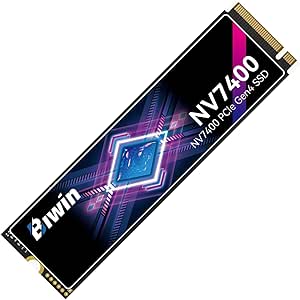 | Best Overall for High-Performance Photo Editing | Capacity: 1TB | Read Speed: 7450MB/s | Write Speed: 6500MB/s | VIEW LATEST PRICE | See Our Full Breakdown |
| Samsung SSD 990 PRO 1TB PCIe 4.0 M.2 2280 |  | Best for Speed and Power Efficiency | Capacity: 1TB | Sequential Read Speed: 7,450MB/s | Sequential Write Speed: 6,900MB/s | VIEW LATEST PRICE | See Our Full Breakdown |
| Crucial P510 PCIe Gen5 NVMe 1TB SSD |  | Best for Cutting-Edge Performance and Future-Proofing | Capacity: 1TB | Read Speed: 11,000MB/s | Write Speed: 8,500MB/s | VIEW LATEST PRICE | See Our Full Breakdown |
| Kingston NV3 1TB M.2 2280 NVMe SSD |  | Best Budget-Friendly High-Speed NVMe SSD | Capacity: 1TB | Max Read Speed: 6000MB/s | Max Write Speed: 4000MB/s | VIEW LATEST PRICE | See Our Full Breakdown |
| WD_BLACK SN7100 1TB NVMe SSD – Gen4 PCIe, M.2 2280 |  | Best for Gaming Laptops and Portable Systems | Capacity: 1TB | Read Speed: 7,250MB/s | Write Speed: 6,900MB/s | VIEW LATEST PRICE | See Our Full Breakdown |
| Crucial P310 1TB PCIe Gen4 NVMe M.2 SSD |  | Best Value for Versatile Performance | Storage Capacity: 1TB | Interface: PCIe Gen4 NVMe | Form Factor: M.2 2280 | VIEW LATEST PRICE | See Our Full Breakdown |
| Samsung SSD 9100 PRO 1TB PCIe 5.0×4 M.2 2280 |  | Best for Future-Proof Performance | Capacity: 1TB | Interface: PCIe 5.0×4 M.2 2280 | Sequential Read Speed: up to 14,700 MB/s | VIEW LATEST PRICE | See Our Full Breakdown |
| SanDisk 1TB Optimus 5100 NVMe SSD – PCIe 4.0 x4, M.2 2280 |  | Best for Creators Needing Fast, Reliable Storage | Capacity: 1TB | Interface: PCIe 4.0 x4 | Form Factor: M.2 2280 | VIEW LATEST PRICE | See Our Full Breakdown |
| NVMe SSDs for photo editing | Interface | Capacity |
|---|---|---|
| Biwin Black Opal NV7400 1TB SS | PCIe Gen4x4 NVMe M.2 2280 | 1TB |
| Samsung SSD 990 PRO 1TB PCIe 4 | PCIe 4.0 | 1TB |
| Crucial P510 PCIe Gen5 NVMe 1T | PCIe Gen5 NVMe | 1TB |
| Kingston NV3 1TB M.2 2280 NVMe | PCIe 4.0 | 1TB |
| WD_BLACK SN7100 1TB NVMe SSD | PCIe Gen4 | 1TB |
| Crucial P310 1TB PCIe Gen4 NVM | PCIe Gen4 NVMe | — |
| Samsung SSD 9100 PRO 1TB PCIe | PCIe 5.0×4 M.2 2280 | 1TB |
| SanDisk 1TB Optimus 5100 NVMe | PCIe 4.0 x4 | 1TB |
More Details on Our Top Picks
Biwin Black Opal NV7400 1TB SSD PCIe Gen4x4 NVMe M.2 2280 Internal Solid State Drive
The Biwin Black Opal NV7400 stands out with its exceptional read and write speeds—up to 7450MB/s and 6500MB/s respectively—which makes it ideal for handling large photo files quickly. Its graphene heat sink helps maintain thermal stability during intensive editing sessions, a feature that surpasses the cooling solutions found on many other drives like the Kingston NV3. However, this premium drive comes with a higher price tag and requires a compatible PCIe Gen4 motherboard to unlock its full potential. Compared to the Samsung 990 PRO, it offers similar top-tier speeds but with added emphasis on thermal management. This pick makes the most sense for professionals or enthusiasts seeking speed and reliability without compromise—if your system supports PCIe 4.0, it’s a smart investment.
Pros:- Unmatched read/write speeds ideal for large photo files
- Effective cooling with graphene heat sink prevents thermal throttling
- Includes management software for ongoing drive health monitoring
Cons:- Premium price may be prohibitive for budget-conscious users
- Requires PCIe Gen4 motherboard for full performance
Best for: Power users who need blazing-fast load times and stable thermal performance for large photo projects
Not ideal for: Casual photographers or users with older systems lacking PCIe 4.0 support
- Capacity:1TB
- Read Speed:7450MB/s
- Write Speed:6500MB/s
- Interface:PCIe Gen4x4 NVMe M.2 2280
- NAND Type:3D TLC NAND
- Heat Sink:Graphene aluminium
Our verdict“This drive is best suited for demanding photo editors with modern PCIe 4.0 systems who prioritize speed and stability.”
Samsung SSD 990 PRO 1TB PCIe 4.0 M.2 2280
The Samsung SSD 990 PRO offers impressive speeds up to 7,450MB/s read and 6,900MB/s write, making it a strong contender for photo editing workflows that demand quick file access. Its enhanced power efficiency extends battery life in portable setups, while effective thermal control prevents overheating during prolonged sessions, a notable improvement over older models like the WD_BLACK SN7100, which can run hotter under load. This drive is tailored for users who want high performance without sacrificing energy efficiency, but it requires a PCIe 4.0 slot to reach its peak speeds. For those with compatible systems, it delivers a reliable balance of speed, thermal management, and efficiency—ideal for professionals balancing editing with mobility.
Pros:- High sequential read and write speeds for quick editing
- Excellent power efficiency improves battery life
- Effective thermal control reduces overheating
Cons:- Requires PCIe 4.0 support for full performance
- Premium price compared to some PCIe 3.0 options
Best for: Photographers and editors seeking fast performance with good thermal management in portable or desktop setups
Not ideal for: Users with older systems limited to PCIe 3.0 or budget-focused buyers who don’t need maximum speed
- Capacity:1TB
- Sequential Read Speed:7,450MB/s
- Sequential Write Speed:6,900MB/s
- Interface:PCIe 4.0
- IOPS:1400K/1550K
Our verdict“This SSD is ideal for users who want fast, efficient storage with reliable thermal performance on PCIe 4.0 systems.”
Crucial P510 PCIe Gen5 NVMe 1TB SSD
The Crucial P510 pushes performance with up to 11,000MB/s read and 8,500MB/s write speeds, making it a compelling choice for those wanting the latest in NVMe technology. Its PCIe Gen5 interface outpaces Gen4 drives like the Samsung 990 PRO, offering faster load times and smoother multitasking. Unlike many Gen4 SSDs, the P510 is compatible with older systems supporting Gen4, providing some flexibility. However, it comes at a significantly higher price and capacity options are currently limited to 1TB, which might be restrictive for large photo libraries. For users seeking future-proofing and maximum speed, this model is a clear leader—though it may be overkill for casual editing tasks.
Pros:- Blazing fast PCIe Gen5 speeds for minimal load times
- Backward compatible with Gen4 systems
- Includes software bundles for data management and creative workflows
Cons:- Higher price point than Gen4 SSDs
- Limited capacity options in this model
Best for: Tech enthusiasts and professionals aiming for the highest possible transfer speeds and system longevity
Not ideal for: Budget-conscious users or those with systems limited to PCIe 3.0 or Gen4
- Capacity:1TB
- Read Speed:11,000MB/s
- Write Speed:8,500MB/s
- Interface:PCIe Gen5 NVMe
- Included Software:Acronis True Image, Adobe Creative Cloud (1 month)
Our verdict“This drive is best for early adopters and professionals seeking top-tier performance and future compatibility, despite its premium cost.”
Kingston NV3 1TB M.2 2280 NVMe SSD
The Kingston NV3 offers reliable PCIe 4.0 speeds up to 6000MB/s read and 4000MB/s write, making it suitable for demanding photo editing without breaking the bank. Its included Acronis cloning software simplifies setup, and the 5-year warranty adds peace of mind. Unlike more premium options like the Samsung 990 PRO, it balances performance with affordability, though system compatibility remains a factor—older motherboards or systems limited to PCIe 3.0 won’t see its full potential. For budget-minded professionals or hobbyists who still require fast data access, it delivers solid performance at a compelling price point, but system limitations could restrict true speed benefits.
Pros:- Reliable PCIe 4.0 speeds for quick photo transfers
- Includes cloning software for easy migration
- Long 5-year warranty for durability
Cons:- Performance limited by system’s PCIe support
- Not the fastest available compared to premium drives
Best for: Budget-conscious photographers and hobbyists wanting fast NVMe storage without overpaying
Not ideal for: Users with older hardware or those requiring the absolute fastest speeds available
- Capacity:1TB
- Max Read Speed:6000MB/s
- Max Write Speed:4000MB/s
- Interface:PCIe 4.0
- Warranty:5 years
Our verdict“This SSD provides a strong balance of speed and affordability, perfect for users with PCIe 4.0 systems on a budget.”
WD_BLACK SN7100 1TB NVMe SSD – Gen4 PCIe, M.2 2280
The WD_BLACK SN7100 delivers impressive speeds of up to 7,250MB/s read and 6,900MB/s write, making it a solid choice for photo editors using portable or gaming laptops. Its PCIe Gen4 interface ensures compatibility with most modern systems, and the TLC 3D NAND enhances endurance and efficiency. Compared to the Samsung 990 PRO, it offers similar performance but may be harder to find as newer models replace it. Its power efficiency is suitable for on-the-go editing, but the drive’s availability could become limited as newer models become more prevalent. This makes it well-suited for users who prioritize high speed in a portable form factor, especially if they already own a compatible system.
Pros:- High sequential speeds suitable for large photo files
- Optimized for portable devices with efficient power use
- Reliable performance with TLC NAND
Cons:- Availability may be limited as newer drives emerge
- Requires PCIe Gen4 support for full speed
Best for: Photographers and editors working on gaming or portable laptops needing high-speed storage
Not ideal for: Users with desktop-only systems or those who prefer the latest models with newer features
- Capacity:1TB
- Read Speed:7,250MB/s
- Write Speed:6,900MB/s
- Interface:PCIe Gen4
- NAND Type:TLC 3D NAND
Our verdict“This drive is ideal for mobile photo editing setups where speed and portability are priorities, given system support.”
Crucial P310 1TB PCIe Gen4 NVMe M.2 SSD
The Crucial P310 1TB NVMe SSD stands out for delivering high-speed data transfer at a competitive price point, making it an attractive option for photo editors who need reliable performance without breaking the bank. Its up to 7,100 MB/s read and 6,000 MB/s write speeds are comparable to the SanDisk Optimus 5100, but it adds compatibility with a wider range of devices, including gaming consoles like the ROG Ally X and Lenovo Legion Go. Compared to higher-end options like the Samsung SSD 9100 PRO, it offers similar read speeds but without the advanced thermal management or larger capacities. The inclusion of data cloning software simplifies migration, which is a plus for less tech-savvy users. However, its performance may be limited on older PCIe Gen3 systems, and it lacks a heatsink, which could lead to thermal throttling under sustained workloads. This pick is ideal for budget-conscious creatives who want fast storage without premium features.
Pros:- High-speed read and write performance suitable for photo editing and multitasking
- Compatible with a broad range of devices including gaming consoles
- Includes data cloning software for easy migration
Cons:- Performance may be limited on older PCIe Gen3 systems
- No included heatsink, risking thermal throttling during prolonged use
Best for: Photo editors on a budget who need fast, reliable storage compatible with a variety of devices
Not ideal for: Professionals running intensive workflows on older PCIe Gen3 systems, as they might not see full performance benefits
- Storage Capacity:1TB
- Interface:PCIe Gen4 NVMe
- Form Factor:M.2 2280
- Sequential Read Speed:7,100 MB/s
- Sequential Write Speed:6,000 MB/s
- Compatibility:Laptops, desktops, gaming consoles including ROG Ally X, Lenovo Legion Go
Our verdict“This is a smart choice for users seeking a cost-effective NVMe SSD with solid speeds and broad compatibility.”
Samsung SSD 9100 PRO 1TB PCIe 5.0×4 M.2 2280
The Samsung 9100 PRO 1TB is designed for users seeking cutting-edge speed, with up to 14,700 MB/s read and 13,300 MB/s write speeds thanks to PCIe 5.0 technology. This makes it ideal for demanding photo editing workflows that benefit from rapid data access and transfer. Compared with the SanDisk Optimus 5100, it pushes performance to new heights, but it requires a compatible PCIe 5.0 system to realize its full potential—something not all users will have. Additionally, its high price point may be prohibitive for casual or budget-conscious users. The drive’s advanced thermal management and dedicated software enhance durability and health monitoring, which is crucial for sustained professional workloads. However, performance can vary depending on hardware, and it’s not yet available in larger capacities beyond 8TB, limiting scalability for future needs. This option is ideal for early adopters and professionals with PCIe 5.0-compatible systems seeking maximum speed.
Pros:- Exceptional PCIe 5.0 read/write speeds for demanding workflows
- Supports large storage capacities up to 8TB in future releases
- Efficient thermal control and reliable software suite
Cons:- Requires a PCIe 5.0-compatible motherboard to achieve maximum performance
- High price may be a barrier for casual users
- Performance may vary with different hardware configurations
Best for: High-end photo editors with PCIe 5.0 systems who need the fastest possible transfer speeds
Not ideal for: Casual users or those with older PCIe 4.0 or Gen3 systems, as they won’t experience the full benefits
- Capacity:1TB
- Interface:PCIe 5.0×4 M.2 2280
- Sequential Read Speed:up to 14,700 MB/s
- Sequential Write Speed:up to 13,300 MB/s
- Random Read/Write IOPS:up to 1,850K/2,600K
- Max Storage Capacity:8TB (future release)
Our verdict“This drive is best suited for professionals with PCIe 5.0 systems aiming to future-proof their storage with top-tier speeds.”
SanDisk 1TB Optimus 5100 NVMe SSD – PCIe 4.0 x4, M.2 2280
The SanDisk Optimus 5100 1TB offers a compelling blend of high performance and endurance, making it a strong contender for photo editors handling large files. With up to 7,100 MB/s read and 6,700 MB/s write speeds, it’s comparable to the Crucial P310 but with a slightly higher write speed, which benefits intensive editing sessions. Its endurance rating of 1,200 TBW ensures durability for ongoing workloads, especially for creators working with 4K and high-res images. While it’s limited to 1TB in this model, the power-efficient design allows for portable editing setups. Compared to the Samsung SSD 990 PRO, it might lack some of the latest thermal management features but compensates with reliable performance and a robust endurance rating. This makes it well-suited for professionals who need dependable speed without the premium cost of cutting-edge PCIe 5.0 drives. This SSD is ideal for creators prioritizing speed and endurance within PCIe 4.0 limits.
Pros:- High-speed performance suitable for large media files
- Strong endurance rating supports continuous editing workload
- Reliable power efficiency for mobile use
Cons:- Limited to 1TB capacity, which may not suit all storage needs
- Lacks the latest thermal management features found in newer models
Best for: Photo editors and content creators needing fast data transfer and high endurance in a portable, reliable drive
Not ideal for: Users who want the absolute fastest speeds available or system upgrades to PCIe 5.0, as they might find this drive less future-proof
- Capacity:1TB
- Interface:PCIe 4.0 x4
- Form Factor:M.2 2280
- Max Read Speed:7,100 MB/s
- Max Write Speed:6,700 MB/s
- Endurance:1,200 TBW (4TB model)
Our verdict“This drive offers a balanced mix of speed and endurance, making it ideal for professional creators who need dependable performance in a portable format.”

How We Picked
These SSDs were evaluated based on performance benchmarks relevant to photo editing, such as sustained transfer speeds, IOPS, and responsiveness under load. Build quality and thermal management were also considered, as prolonged editing sessions demand reliable operation. Cost-to-performance ratio was a key factor, ensuring options are accessible without sacrificing essential speed. Finally, compatibility with current platforms and future-proofing through PCIe 4.0 or 5.0 support helped determine the overall ranking, balancing cutting-edge features with practicality for most users.Factors to Consider When Choosing Best NVMe SSDs For Photo Editing
Choosing the right NVMe SSD for photo editing involves more than just looking at speed specs. It’s important to consider compatibility with your system, budget constraints, and how the drive’s features support your workflow. Here are some key factors to keep in mind before making a purchase:Performance and Speed
For photo editing, sustained read/write speeds directly impact how quickly you can load, render, and save large files. PCIe 4.0 drives typically offer speeds up to 7,000 MB/s, while PCIe 5.0 models push even higher. However, real-world gains depend on your hardware compatibility; if your system only supports PCIe 3.0, investing in the latest tech may not provide immediate benefits and could increase costs unnecessarily.
Compatibility and Interface
Ensure your computer’s motherboard supports the NVMe interface and the specific PCIe version of the drive. M.2 slots are common, but some desktops or laptops may require adapters or have limited bandwidth. Confirming compatibility helps avoid costly returns or underperformance. Also, check if your system’s BIOS needs updates to fully support newer PCIe standards like 5.0.
Capacity and Future-Proofing
Most photo editors find 1TB to be a sweet spot, offering ample space for large projects and software. Larger capacities provide more headroom but come at a higher price. Consider future needs: if you handle very large files regularly or plan to expand your workflow, investing in a 2TB or higher drive might save you an upgrade later. Remember, capacity often impacts price more than speed in this category.
Durability and Warranty
Photo editing involves frequent read/write cycles, so choosing a drive with good endurance ratings (TBW or DWPD) is wise. A longer warranty reflects confidence in the drive’s longevity and can save costs on replacements. High-end drives often incorporate better thermal management, preventing throttling during intensive sessions, which preserves performance over time.
Price and Value
While premium drives offer the latest speeds and tech, they come with higher costs. For most photo editing workflows, drives in the mid-range provide excellent performance at a better price point. Be cautious of drives with inflated prices that don’t deliver significant real-world benefits over more affordable models. Balancing budget and performance is key to making a satisfying purchase.
Frequently Asked Questions
Do I need a PCIe 5.0 SSD for photo editing?
While PCIe 5.0 SSDs offer faster theoretical speeds, most current photo editing workflows do not require such high transfer rates. Your system’s CPU and motherboard support are crucial; if they only support PCIe 4.0 or 3.0, investing in PCIe 5.0 may not deliver real benefits now. For most users, PCIe 4.0 drives provide ample speed, and PCIe 5.0 becomes more relevant as hardware platforms mature.
Is capacity more important than speed for photo editing?
Capacity is often more critical than raw speed for managing large photo libraries and project files. Having enough space to store high-resolution images without constantly deleting or transferring files makes workflows smoother. While faster drives reduce load and save times, insufficient capacity can bottleneck your productivity. A balance of both is ideal, but prioritize capacity if your storage needs are large.
How long do NVMe SSDs typically last for photo editing?
Modern NVMe SSDs are rated for endurance levels that often exceed several thousand terabytes written (TBW), translating to many years of heavy use. For photo editing, drives with higher TBW ratings tend to hold up better over time, especially during extensive work sessions. Regular firmware updates and proper thermal management also extend the lifespan, making high-end drives a safer long-term investment.
Should I prioritize PCIe 4.0 or PCIe 5.0 for now?
PCIe 4.0 offers excellent performance for current photo editing needs and is widely supported. PCIe 5.0 is still emerging and generally commands a premium. If your system supports PCIe 4.0, it’s a more cost-effective choice that delivers high speeds without the current compatibility issues or higher price tags associated with PCIe 5.0. Upgrading to PCIe 5.0 can be future-proofing but isn’t necessary immediately.
Are there any specific brands I should trust for NVMe SSDs?
Reputable brands like Samsung, Western Digital, Crucial, Kingston, and SanDisk are generally reliable, offering solid warranty support and proven performance. These manufacturers also tend to provide better thermal management and durability features. Choosing a well-known brand reduces risks of counterfeit or lower-quality drives, especially important when investing in high-performance equipment for photo editing.
Conclusion
For most users, the Samsung SSD 990 PRO presents a balanced choice, offering excellent speed, durability, and value, making it the best overall pick. If you’re on a tighter budget but still want reliable performance, the Crucial P310 or Kingston NV3 are compelling options. For those seeking the latest tech and future-proofing, the Crucial P510 with PCIe 5.0 support is ideal. Beginners or casual editors should prioritize capacity and simplicity, while professionals needing the fastest workflows will benefit from high-end models like the Samsung or WD_BLACK drives. Match your specific needs with these recommendations to make the best choice for your photo editing setup.
Columbus Day / Indigenous Peoples' Day Picks
long weekend sales
As an affiliate, we earn on qualifying purchases.