
TL;DR

Get audio and creator gear delivered free with Prime
- Fast, free delivery on millions of items
- Prime Video, Amazon Music and more included
- Member-only deals all year
A hobbyist has learned PCB design, 3D printing, and C programming to build custom audio equipment. This unconventional approach highlights a personal quest to improve music quality, sparking interest in DIY audio projects.
A hobbyist has learned PCB design, 3D printing, and C programming solely to craft custom audio equipment for enhanced music listening. This personal project underscores a deep commitment to improving audio quality through technical skills, drawing attention to DIY audio innovations.
The individual, whose identity has not been disclosed, embarked on self-education in PCB design, 3D printing, and C programming over the past year. Their goal was to create tailored audio devices, such as custom amplifiers and speakers, to achieve superior sound quality. According to the person, their motivation stemmed from dissatisfaction with commercial audio products and a desire for a personalized listening experience.
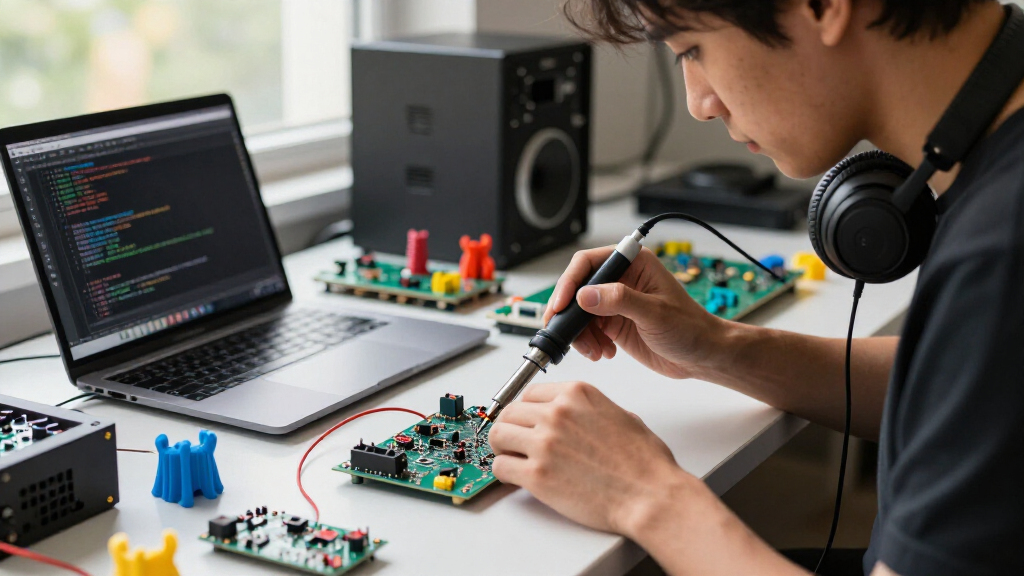
They reported learning PCB design to design circuit boards for audio equipment, using 3D printing to produce custom enclosures, and applying C programming to develop firmware for device control. The project has led to functional prototypes, which they now use regularly for music listening. The individual stated, “I wanted to understand every aspect of my audio setup, from the circuitry to the casing, so I started from scratch.”
Personal Innovation in DIY Audio Equipment
This story illustrates how dedicated individuals can leverage technical skills to customize and improve personal technology experiences. It highlights a growing trend of DIY electronics for niche purposes, such as high-quality music listening, which may influence broader maker communities and inspire similar projects.
While the project is personal, it underscores the potential for hobbyists to challenge commercial offerings and push the boundaries of audio customization. It also demonstrates the value of self-education and cross-disciplinary skills in achieving specialized goals.
As an affiliate, we earn on qualifying purchases.
DIY Electronics and Audio Customization Trends
Over recent years, there has been increased interest in DIY electronics, driven by accessible tools like 3D printers and open-source software. Enthusiasts have built custom speakers, amplifiers, and audio interfaces, often sharing their designs online. However, learning PCB design and programming specifically for personal audio projects remains relatively niche. This case exemplifies how individual motivation can lead to complex, multi-disciplinary learning for a highly specific purpose.
Historically, audiophiles have sought high-end equipment, but DIY approaches allow for tailored solutions at lower costs. This story fits into that broader movement, emphasizing customization and technical mastery.
“I wanted to understand every aspect of my audio setup, from the circuitry to the casing, so I started from scratch.”
— the hobbyist
custom PCB design for audio equipment
As an affiliate, we earn on qualifying purchases.
As an affiliate, we earn on qualifying purchases.
Extent and Impact of the DIY Audio Project
It is not yet clear how advanced the individual’s current prototypes are or whether they plan to commercialize their designs. Details about the technical specifications and performance improvements achieved remain undisclosed. The long-term impact of this project on the broader DIY audio community is also uncertain.
As an affiliate, we earn on qualifying purchases.
Future Plans for the Custom Audio Devices
The individual plans to further refine their prototypes, potentially sharing their designs online for community feedback. They may also explore commercial production or collaboration with other DIY enthusiasts. Updates on their progress and the technical details of their devices are expected in the coming months.
microcontroller firmware development for audio devices
As an affiliate, we earn on qualifying purchases.
As an affiliate, we earn on qualifying purchases.
Key Questions
Why did the person decide to learn PCB design, 3D printing, and C only for music?
The person wanted to create custom audio equipment tailored to their preferences, aiming for better sound quality and a more personalized listening experience.
Are these DIY audio devices commercially available?
There is no indication that the devices are being sold; the project appears to be a personal hobby at this stage.
How difficult is it to learn PCB design, 3D printing, and C programming?
These skills require significant time and effort, but accessible online tutorials and open-source tools have made them more approachable for hobbyists.
Could this inspire others to undertake similar projects?
Yes, especially within maker communities interested in audio or electronics, this example could motivate others to pursue DIY solutions for personalized audio experiences.
What are the potential benefits of such DIY audio projects?
Benefits include customized sound quality, cost savings, and the satisfaction of building and understanding one’s own technology.
Source: hn
Halloween Picks
halloween
As an affiliate, we earn on qualifying purchases.