
TL;DR

Get audio and creator gear delivered free with Prime
- Fast, free delivery on millions of items
- Prime Video, Amazon Music and more included
- Member-only deals all year
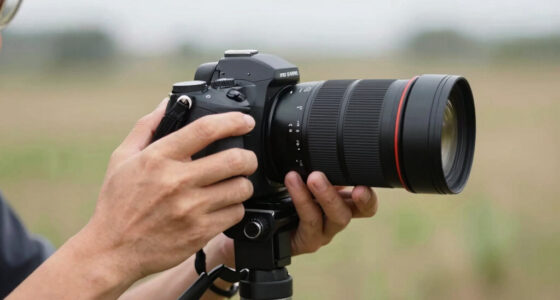
Renting lenses lets you test focal length, autofocus, handling, and image character with your own camera before making a long-term commitment. Plan a focused shoot, inspect the lens on arrival, compare the files with your current gear, and judge the photographs rather than the specification sheet.
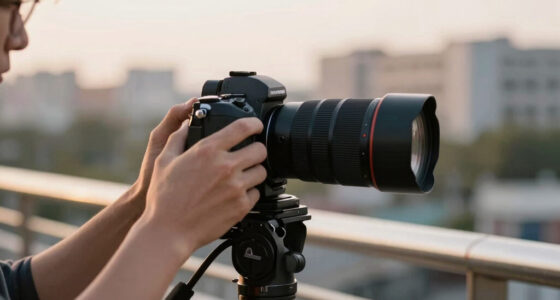
A lens can look perfect on a specification sheet and feel completely wrong after 20 minutes on your camera. The focus ring may turn the wrong way for your habits, the barrel may pull your wrist forward, or the background blur may look nervous instead of creamy. Renting lenses exposes those details before they become an expensive surprise.
I have learned more from carrying a lens through one ordinary working day than from reading pages of charts. A bright telephoto may produce gorgeous files yet stay home because it feels like a brick by lunchtime. A modest prime can seem less exciting online, then become the lens you reach for when light fades, a child will not sit still, and you need quiet, reliable autofocus.
This guide shows you how to plan a useful rental, test the features that affect real photographs, and spot costs or policy details that can spoil the experience. You will also learn when renting makes more sense than buying, how to inspect borrowed glass, and how to turn a folder of test images into a clear decision. The goal is simple: try before you buy, but test with enough purpose that the answer means something.
Plan each rental around one real photographic problem, such as low-light autofocus, working distance, close focus, or telephoto reach.
Test one familiar subject, one difficult condition, and one direct comparison with your current lens.
Photograph the lens and included accessories on arrival, then report any defect before using it.
Read damage, theft, extension, shipping, and return-scan rules before confirming the booking.
Judge keeper rate, handling, editing effort, and photographs made—not sharpness at extreme magnification alone.
Renting Lenses:
Try Before You Buy
A specification sheet cannot tell you how a focus ring fits your habits, whether a barrel pulls at your wrist, or how the background blur feels in your photographs. A focused rental exposes those details before they become an expensive surprise.
One familiar subject, one difficult condition, and one direct comparison.
Lens value, duration, protection, and shipping all affect the final cost.
Judge photographs made, keeper rate, handling, and editing effort.
A Five-Step Test That Reveals Whether the Lens Fits
A useful trial follows a repeatable plan—not a random walk around the garden. Define the photographic problem before the delivery arrives.
Choose one real job
Name the improvement you need: low-light focus, subject isolation, close detail, working distance, or reach.
Repeat a known scene
Use a familiar location and subject so the rented lens becomes the main variable.
Make it struggle
Try dim light, backlight, motion, close focus, flare, or fine repeating detail.
Match the frame
Photograph the same scene with your current lens at comparable settings where possible.
Review after the buzz
Inspect files on a large screen and record what helped, slowed you down, or caused strain.
Test the Photograph, the Pressure, and the Alternative
Charts isolate performance. Your trial should reveal how performance behaves inside the pace, light, distance, and physical demands of real photography.
Your reference scene
Start with a subject you understand well: a face near a favorite window, a regular sports location, or a known landscape viewpoint.
Your failure scene
Add movement, flickering light, strong flare, cluttered backgrounds, or a cramped working distance. Find the compromise quickly.
Your current lens
Match framing and conditions. Compare missed moments, focus confidence, rendering, editing effort, and the need to change position.
“A lens should not merely win a test; it should make your actual work easier.”
Decision principleFrequency Matters More Than Excitement
Rent when the need is temporary or uncertain. Buy when repeated work makes immediate, familiar access part of the value.
| Situation | Renting usually fits | Buying usually fits |
|---|---|---|
| One wildlife trip | ✓You need a long telephoto for several days. | ~You photograph wildlife every month. |
| New focal length | ✓You do not know whether the view or distance suits you. | ~You tested it and use that perspective regularly. |
| Paid assignment | ✓The lens fills a temporary gap in your kit. | ~The same assignment repeats throughout the year. |
| Backup equipment | ✓You need short-term redundancy for one job. | ~Your income depends on permanent redundancy. |
| Macro / tilt-shift / fisheye | ✓The effect solves an occasional problem. | ✗Renting repeatedly is inefficient when it defines your style. |
What Deserves the Most Attention?
Use a weighted review instead of letting one spectacular file—or one magnified corner—make the decision for you.
Inspect First. Read the Rules. Then Shoot.
The most useful rental can still be spoiled by undocumented damage, missed return scans, or costs hidden outside the headline fee.
Document the condition
- Photograph the lens, case, caps, hood, tripod foot, and included accessories.
- Check glass, mount, switches, focus ring, zoom ring, aperture, and stabilization.
- Mount it carefully and test autofocus, communication, and image stabilization.
- Report defects before normal use and retain the supporting photographs.
Read beyond the rate
- Confirm damage protection, theft coverage, deductibles, and exclusions.
- Check shipping dates, signature requirements, deposits, and international limits.
- Understand extension availability and the cost of an overdue return.
- Verify whether the deadline means carrier scan, drop-off, or warehouse receipt.
Judge What Changed in Your Photography
Good reasons to buy
The lens solves a recurring problem, improves your keeper rate, fits your body, and earns a regular place in your work.
Good reasons to pass
It creates strain, adds editing, disrupts working distance, misses important moments, or produces a character you do not enjoy.
Why a Weekend With a Lens Tells You More Than a Month of Research
Renting lenses gives you the one thing reviews cannot provide: direct experience with your camera, your hands, and your subjects. A controlled review can describe sharpness or focus speed, but only a real shoot reveals whether the lens fits the pace, distance, light, and physical demands of your photography.
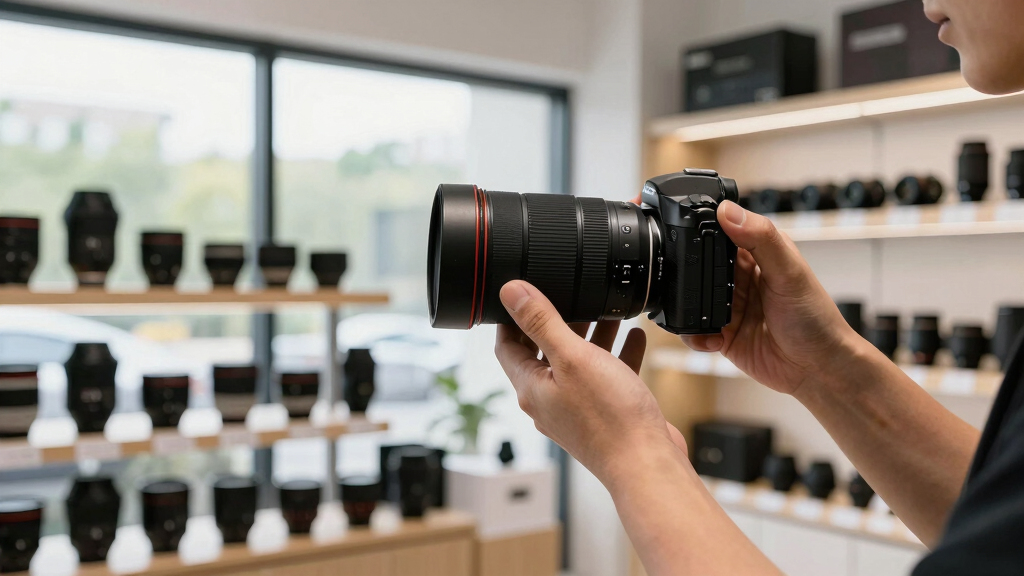
Think of a lens like a pair of hiking boots. Measurements tell you the size, materials, and weight, but they cannot tell you where the boot rubs after five miles. In the same way, a lens that feels balanced for ten minutes in a shop may leave your fingers cramped after a three-hour event.
For example, suppose you photograph family sessions with a 50mm prime and keep wondering whether an 85mm would create softer backgrounds. Rent the 85mm for a weekend and photograph one session in a familiar park. You may love the smooth compression, yet discover that you spend the whole session backing into hedges because your usual working distance is too short.
A rental also lets you judge image character, meaning the recognizable way a lens draws contrast, out-of-focus areas, flare, color, and fine detail. Sharpness is only one ingredient. A technically sharp lens can render small branches behind a portrait like tangled wire, while another gives those same branches a calmer, softer shape.
Current rental-market guidance shows that common booking periods include daily, weekly, and monthly rentals, with extensions available from some services [1]. Choose enough time for the lens to stop feeling like a novelty. One rushed hour encourages you to admire it; a full working day gives you a chance to notice what irritates you.
Products Worth Considering

Apple iPad Air 13-inch (M4), 128GB, Wi-Fi 7, Space Gray

LG UltraGear 27-Inch QHD OLED Gaming Monitor, 240Hz, 0.03ms, G-SYNC Compatible, FreeSync Premium Pro, HDMI 2.1

DJI Osmo Mobile 7P with Mic Mini TX (Infinity Black) Gimbal Stabilizer
As an affiliate, we earn on qualifying purchases.
When Renting Beats Buying—and When It Does Not
Renting lenses makes the most sense when you need specialized glass briefly, want to test an unfamiliar focal length, or face a purchase with expensive consequences. Buying makes more sense when you use the same lens often, need instant access, or depend on it for repeat client work.
| Situation | Renting usually fits | Buying usually fits |
|---|---|---|
| One wildlife trip | You need a long telephoto for several days | You photograph wildlife every month |
| Trying a new focal length | You do not know whether it suits your working distance | You have tested it and use that view regularly |
| Paid assignment | The lens fills a temporary gap in your kit | The same assignment repeats throughout the year |
| Backup equipment | You need short-term redundancy for one job | Your income depends on permanent redundancy |
| Special effects | You need macro, fisheye, or tilt-shift results occasionally | The effect forms part of your established style |
A tilt-shift lens is a good example. An architecture photographer may use one every week and benefit from owning it. If you photograph a hotel renovation once a year, renting gives you the controlled perspective you need without leaving a specialized lens asleep in a cupboard for eleven months.
Frequency matters more than excitement. A lens that appears at two assignments each month has a clear job in your kit. A lens you admire but cannot connect to specific photographs is closer to a luxury. Renting separates genuine need from the warm glow of new equipment.
There is a tradeoff. Repeated rentals require booking, delivery planning, inspection, and returns. You may also receive a different physical copy each time. If a focal length has become part of your visual reflexes, permanent access can matter as much as cost because familiar equipment disappears in your hands.
A Five-Step Test That Reveals Whether the Lens Fits Your Work
A useful lens rental follows a repeatable test plan, not a random walk around the garden. Photograph a familiar subject, recreate your normal working conditions, add one difficult scene, compare the result with your current lens, and review both the images and the physical experience.
- Choose one real job. Decide what the lens must improve, such as low-light focus, subject isolation, close-up detail, or reach.
- Repeat a familiar scene. Use a location and subject you know so the new lens becomes the main variable.
- Make the lens struggle. Test backlight, moving subjects, dim rooms, close focus, or fine repeating detail.
- Shoot a direct comparison. Frame the same photograph with your current lens at matching settings where possible.
- Review after the excitement fades. Check files on a large screen and write down what helped, what slowed you down, and which compromises you noticed.
When I test a portrait lens, I start with a face near an open window because I know how skin, eyelashes, and background highlights should look there. Then I move outside and photograph someone walking toward the camera under tree cover. That second scene quickly reveals focus consistency, flare behavior, and whether the lens keeps up when the light flickers.
Keep the comparison fair. If you test a zoom against a prime, do not judge them only at the prime’s widest aperture; the zoom may offer framing flexibility that saves several missed moments. Likewise, do not photograph a brick wall and declare a winner if your real work involves dancers crossing a dark stage.
Test the problem you want the lens to solve. Beautiful files from an unrelated scene prove very little.
Finish with a quick handling note. Record whether you changed lenses less often, missed focus, attracted attention, or felt shoulder strain after an hour. Those observations may sound small, but they describe how the tool changes your photography. A lens should not merely win a test; it should make your actual work easier or better.
What to Check Before the First Frame and Before the Return
Renting lenses safely starts with a documented inspection and ends with the same careful routine. Confirm the mount, accessories, glass condition, controls, autofocus, and return deadline before serious shooting. Report any problem at once, because a timestamped message separates an arrival issue from damage that may be assigned to you.
Begin at a clean table under bright light. Check the front and rear elements for cracks, oily marks, or deep scratches, then inspect the mount and electrical contacts. A few dust specks inside a lens are common and usually invisible in photographs; fungus, haze, loose parts, or a grinding focus ring deserve an immediate call to the rental service.
- Match the lens mount to your exact camera model, including any adapter you plan to use.
- Confirm the hood, caps, tripod foot, case, filters, and other listed accessories arrived.
- Photograph the lens and packaging with your phone before use.
- Test autofocus at near and far distances, then check manual focus and stabilization.
- Read the return instructions and set two calendar reminders.
Imagine receiving a telephoto the afternoon before a sunrise bird shoot. You wait until the marsh to mount it, then discover the tripod foot uses a plate you did not pack. A five-minute kitchen-table inspection would have exposed the problem while you still had time to fix it.
Before returning the lens, remove your filter or quick-release plate and compare every item with the packing list. Use a blower for loose dust, but skip aggressive cleaning unless the rental company directs you to do it. Strong solvents, canned air, and rough cloth can turn a harmless fingerprint into damaged coating.
Do not dismantle a rental lens or attempt an internal repair. If you hear loose parts, smell burnt electronics, or see moisture inside the barrel, stop using it and contact the provider.
The Policy Details That Can Change a Good Rental Into a Bad One
The best rental service has clear dates, clear liability rules, and reachable support. Before booking, check when the rental period begins, what happens after a missed delivery, which damage is covered, how theft is handled, and when the return carrier must scan the package.
Rental fees are only part of the commitment. Shipping, deposits, damage protection, taxes, international charges, and late-return penalties can appear separately [2]. PhotoMocha recommends reading the full checkout breakdown and saving a copy of the agreement, especially when the lens will cross borders or travel on an airline.
Damage protection deserves careful reading. Some plans cover accidental drops but exclude theft from an unattended vehicle, water exposure, cosmetic marks, or improper packing. Think of protection like an umbrella with a known diameter: it helps inside its boundaries, but you still get wet when you step outside them.
For a real-world example, say your lens is due Monday and the provider requires a carrier scan by a stated cutoff time. Leaving the box at an unstaffed counter after that time may count as a Tuesday return, even though you physically dropped it off Monday. Ask for a receipt showing the date, time, tracking number, and package weight.
Check cancellation and extension rules as well. Weather can erase a landscape trip, while a client may add another shoot at short notice. Some companies permit extensions when no later reservation exists, but you should never assume the lens is available. Contact the provider before the deadline and get the approval in writing.
International rentals add customs, tax, carrier, and warranty complications. Many platforms offer broader shipping or local pickup than they once did [1], yet country coverage changes. Confirm where responsibility passes to you and whether your travel insurance covers rented photographic equipment away from home.
How Your Test Photos Turn Into a Confident Buying Decision
Your rental files become useful when you judge them against specific photographic needs, not against vague ideas of perfection. Compare keeper rate, focus behavior, framing freedom, image character, carrying comfort, and editing effort. Then ask whether the new lens created photographs you could not make as reliably with your current kit.
Start with contact sheets rather than zooming straight to 100 percent. Look for the frames that catch your eye, then ask why. Perhaps the 35mm lens placed people naturally inside their surroundings, while your 50mm forced tighter compositions that cut away useful context.
Next, inspect technical performance where it affects the finished photograph. Check eyes on moving portraits, corner detail in architecture, flare around stage lights, and color fringing along bright edges. A tiny corner difference does not matter if you crop square for social work, but it matters greatly when you print full-frame interiors with detail running to every edge.
I also compare editing time. If one lens gives skin a pleasing balance and controls bright highlights well, I may spend less time correcting color and local contrast. That benefit is harder to see on a chart, yet it can save minutes on every photograph across a large wedding gallery.
- Buy when the lens solves a recurring problem and you expect frequent use.
- Rent again when the first test was useful but too narrow, such as one sunny afternoon without moving subjects.
- Skip it when the improvement appears only under extreme magnification or the weight keeps you from carrying it.
- Try another design when you like the focal length but dislike the handling, focus behavior, or rendering.
Give yourself a cooling-off day before deciding. New glass can feel like a shiny new kitchen knife: every task seems to need it because it is sitting in front of you. Return to the images after that glow fades, and the difference between better photographs and merely new photographs becomes much clearer.
Frequently Asked Questions
Is renting a lens worthwhile for a beginner?
Yes, especially when you want to learn what different focal lengths do without making a long commitment. A beginner can rent a 35mm, 50mm, or telephoto zoom for a weekend and quickly feel how framing distance changes portraits, street scenes, and family photographs.
Keep the first test simple. Use your own camera, photograph subjects you already know, and change only the lens so you can connect each difference to the glass.
How long should I rent a lens before deciding whether to buy it?
A three-to-seven-day rental suits many buying tests because it allows time for an inspection, a planned shoot, an ordinary walk, and careful file review. One day can work when you know exactly what you need to test, but delivery delays or bad weather leave little room for recovery.
If the lens is intended for travel or long events, test it for at least one full day. Weight and handling problems often appear after hours, not minutes.
Will a rented lens work with my camera?
It will work only if the mount, camera generation, and electronic support match. Two lenses may share a brand name while using different mounts, and adapted lenses may lose autofocus speed, stabilization features, or correction data.
Check your exact camera model against the provider’s compatibility information. If you need an adapter, rent or test that adapter as part of the same setup.
Should I buy damage protection for a rental lens?
Damage protection makes sense when the lens will travel, work near crowds, face rough weather, or sit on a moving support. Read the exclusions because accidental damage, theft, water exposure, and unattended equipment may receive different treatment.
Your camera insurance or travel policy may already cover rented gear, but confirm that in writing. Never assume a general policy includes borrowed professional equipment.
What happens if the lens arrives damaged or dirty?
Photograph the problem, stop using the lens if damage could worsen, and contact the rental provider immediately. Include clear images, the booking number, and a short description of what you found.
A little internal dust rarely affects photographs, but haze, fungus, cracks, loose components, or grinding controls call for prompt support. Do not attempt an internal repair.
Can I travel internationally with a rented lens?
Many services allow travel, but you need to confirm country restrictions, customs documents, insurance territory, and theft coverage before departure. Border officials may ask for proof that the lens was rented before you entered the country.
Carry the agreement and serial number, keep the lens in hand luggage when airline rules permit, and never leave it visible in a parked vehicle. Ask the provider about international travel in writing.
Conclusion
The smartest result of a rental is not always a purchase. Sometimes you confirm that a lens belongs in your bag; sometimes you discover that the focal length, weight, or rendering fights the way you work. Both outcomes save you from guessing, and both move your photography forward.
Choose one lens, give it a real assignment, and test it where your photographs actually happen. Let it hang from your shoulder, chase focus in poor light, catch flare at sunset, and sit beside your current glass on the editing screen. Buy the tool that earns its place frame by frame, not the one that shines brightest in a browser tab.