
TL;DR
Prime for Young Adults — start your free trial
Fast free delivery, streaming and member deals for eligible 18–24 year olds.
Try it freeAs an affiliate, we earn on qualifying purchases.
Myles Kennedy publicly states he will not use AI to write songs, citing artistic integrity. This stance highlights ongoing debates about AI’s role in creative industries and reflects artist resistance to replacing human creativity.
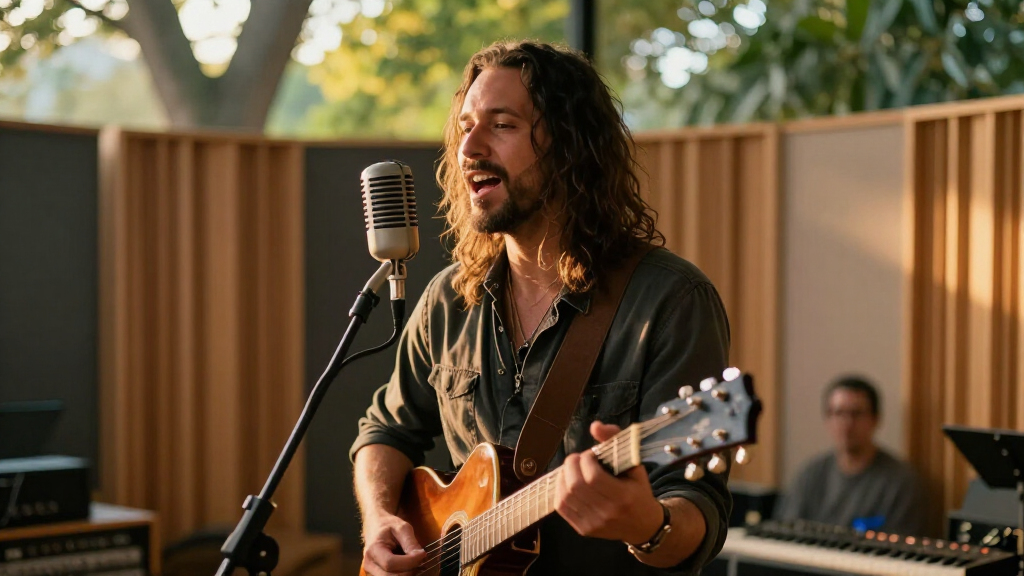
Guitarist and singer Myles Kennedy has confirmed he will not use artificial intelligence to write songs, stating, “Why would I cheat myself?”. This stance underscores his commitment to traditional songwriting and raises questions about the broader music industry’s engagement with AI technology.
In an interview published in March 2024, Myles Kennedy explicitly stated that he refuses to incorporate AI tools into his creative process. He emphasized that using AI would be a form of “cheating” and that he values the authenticity of human songwriting. Kennedy’s comments come amid rising interest in AI-generated music, which has sparked debate among artists, fans, and industry insiders about the future role of technology in music creation.
Kennedy’s stance reflects a broader resistance among some musicians who prioritize artistic integrity and personal expression over technological shortcuts. The singer’s remarks are notable given the increasing popularity of AI tools that can generate melodies, lyrics, and entire compositions, with some artists experimenting with these innovations.
It remains unconfirmed whether Kennedy has faced direct pressure or offers from AI companies or if his position is part of a larger movement among artists wary of AI’s impact on creative authenticity. His comments serve as a clear statement against the perceived commodification of music through automation.
Impact of Kennedy’s Stance on AI in Music
Myles Kennedy’s explicit rejection of AI songwriting highlights a significant divide within the music industry about the use of artificial intelligence. His position underscores ongoing concerns among artists about losing creative control and authenticity in an era increasingly influenced by automation. This stance may influence fans and fellow musicians, fueling debates about the ethical and artistic implications of AI in music production. As AI tools become more sophisticated and accessible, artists’ decisions like Kennedy’s could shape industry norms and consumer expectations, emphasizing human artistry over technological shortcuts.
As an affiliate, we earn on qualifying purchases.
Rising Interest and Industry Debate on AI Music
Interest in AI-generated music has surged over the past year, with several startups and tech companies releasing tools capable of composing melodies, lyrics, and entire songs. Major artists and record labels are exploring or experimenting with AI, but opinions remain divided. While some see AI as a way to enhance creativity and productivity, others, like Kennedy, view it as a threat to artistic authenticity. The debate is fueled by broader discussions about the role of technology in art, copyright issues, and the value of human expression.
Despite the growing presence of AI in music, there is no consensus on its ethical or artistic legitimacy. Kennedy’s comments are part of a larger conversation about maintaining human-centered artistry in an increasingly automated landscape.
“Why would I cheat myself?”
— Myles Kennedy
As an affiliate, we earn on qualifying purchases.
Unconfirmed Industry Impact and Future Trends
It remains unclear whether Kennedy’s position is isolated or part of a wider movement among artists. The extent to which AI will be adopted or rejected by mainstream musicians is still developing, and industry responses are varied. There is also uncertainty about how record labels and streaming platforms will respond to AI-generated music and whether regulations will emerge to address intellectual property concerns.
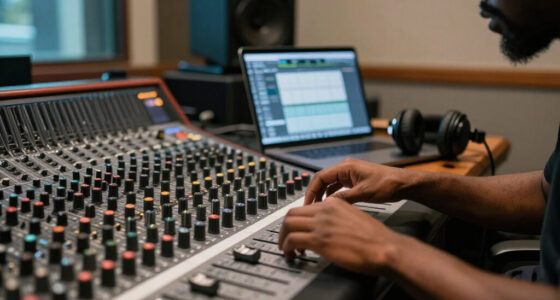
music production software for artists
As an affiliate, we earn on qualifying purchases.
As an affiliate, we earn on qualifying purchases.
Next Steps in AI and Artistic Integrity Discussions
Expect ongoing debates and possibly more public statements from artists about AI’s role in music. Industry organizations and policymakers may begin addressing legal and ethical questions surrounding AI-generated works. Additionally, some artists and labels might experiment with AI while others, like Kennedy, will continue to emphasize human creativity. Monitoring how these dynamics evolve will be key to understanding the future landscape of music production.
As an affiliate, we earn on qualifying purchases.
Key Questions
Why does Myles Kennedy refuse to use AI in songwriting?
He believes using AI would be a form of “cheating” and values the authenticity and personal effort involved in traditional songwriting.
Is Kennedy the only artist taking this stance?
No, but his explicit refusal highlights a significant segment of artists concerned about AI’s impact on artistic integrity. The broader industry remains divided.
Could AI eventually replace human songwriters?
While AI can generate music and lyrics, many experts and artists argue it cannot replicate human creativity and emotional expression. Kennedy’s stance reflects this ongoing debate.
How might this stance influence other musicians?
It could inspire others to resist AI integration or spark further discussions about maintaining artistic authenticity in the digital age.
Yes, issues include copyright, ownership, and the potential devaluation of human artistry, which are still being addressed by industry regulators and legal experts.
Source: rss
Flea & tick season Picks
flea and tick prevention
As an affiliate, we earn on qualifying purchases.