
TL;DR

Get audio and creator gear delivered free with Prime
- Fast, free delivery on millions of items
- Prime Video, Amazon Music and more included
- Member-only deals all year
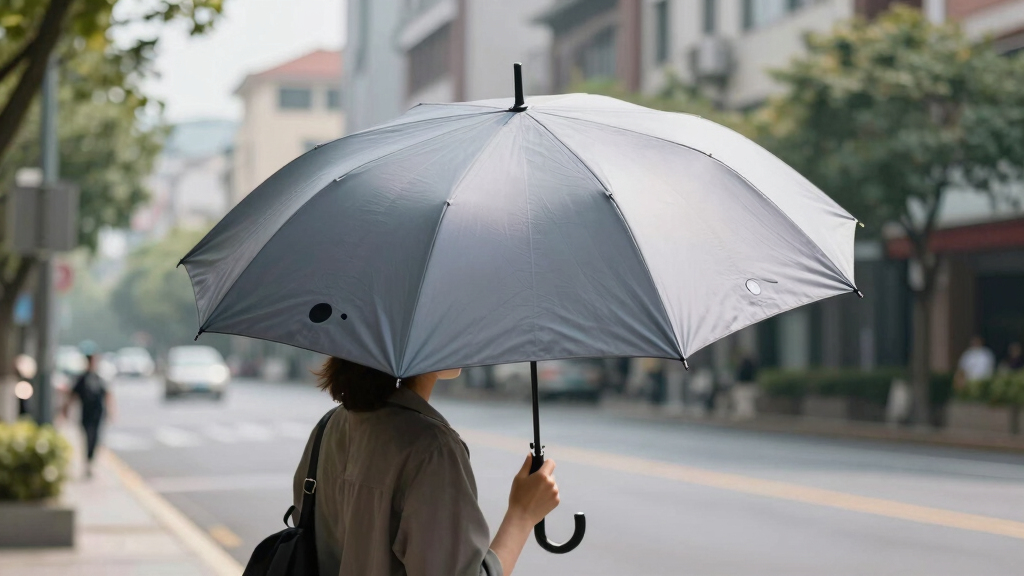
A prototype autonomous flying umbrella has been developed that can follow users and shield them from rain and sunlight. The device is currently in testing, with commercial availability still uncertain. This innovation could transform personal weather protection.
An autonomous flying umbrella capable of following users and shielding them from rain and sunlight has been demonstrated in recent tests. The device, still in prototype stage, aims to offer a new form of personal weather protection, with potential applications in daily life and outdoor activities.
The device uses a combination of sensors, GPS, and AI-driven navigation to track the user’s position and adjust its flight path accordingly. During recent demonstrations, the umbrella successfully followed users across various terrains and weather conditions, providing effective coverage from precipitation and solar rays.
Developers, including a startup called AeroShield Technologies, confirmed that the prototype is capable of maintaining stable flight and responding to user commands, such as changing direction or stopping. The technology is still in testing phases, with plans for further refinement before commercial release.
It is important to note that the device is not yet available for purchase, and the company has not announced a specific launch date. The umbrella’s flight stability and safety features are still being evaluated, especially for urban environments with obstacles and other aircraft.
Potential Impact on Personal Weather Protection
This innovation could significantly change how people manage weather exposure during outdoor activities, reducing reliance on traditional umbrellas or sun protection gear. Its autonomous nature offers convenience and enhanced coverage, especially for individuals with mobility challenges or in unpredictable weather conditions.
Moreover, if commercialized, the device could influence the development of other personal flying devices, contributing to the evolution of urban mobility and wearable tech. However, safety, regulatory approval, and affordability remain key considerations before widespread adoption.
As an affiliate, we earn on qualifying purchases.
Background on Personal Weather Tech and Autonomous Devices
Previous developments in weather protection have focused on traditional umbrellas, wearable sun shields, and portable rain gear. Autonomous drones and flying devices have been explored mainly for delivery or surveillance, but their use as personal weather shields is new.
Recent years have seen advances in drone technology, AI navigation, and sensor integration, enabling prototypes like the flying umbrella. Similar concepts, such as personal drones or robotic assistants, have been tested, but none have combined autonomous flight with weather shielding in a user-following device at this scale.
The current prototype builds on these trends, aiming to merge weather protection with autonomous mobility, a concept still largely experimental but promising for future applications.
“Our flying umbrella demonstrates how autonomous technology can be integrated into everyday life, providing practical protection from weather while offering unprecedented convenience.”
— Jane Liu, CEO of AeroShield Technologies
As an affiliate, we earn on qualifying purchases.
Unanswered Questions About Safety and Regulation
Testing in complex urban environments with obstacles, other aircraft, and varying weather conditions is ongoing. Regulatory approval processes are still in development.
Details about battery life, flight range, and cost have not been publicly disclosed, which raises questions about practical usability and market readiness.
As an affiliate, we earn on qualifying purchases.
Upcoming Testing Phases and Market Outlook
Further testing in diverse environments is planned to evaluate safety, reliability, and user experience. Pending positive results, developers aim to seek regulatory approval and conduct limited commercial trials within the next 12-18 months.
Commercial availability depends on regulatory clearance, safety assessments, and market demand. No specific launch date has been announced, but the company remains optimistic about future deployment.
hands-free rain and sun protection device
As an affiliate, we earn on qualifying purchases.
As an affiliate, we earn on qualifying purchases.
Key Questions
How does the flying umbrella follow the user?
The device uses GPS and sensors to track the user’s location and adjust its flight path accordingly, maintaining a safe distance while providing coverage.
Is the flying umbrella safe to use in crowded areas?
Safety features are still under development, and further testing is needed to ensure obstacle avoidance and stability in crowded environments.
When will the flying umbrella be available to consumers?
The prototype is still in testing, and a commercial release has not been announced. Developers hope to conduct wider trials within the next year.
What are the main technical challenges?
Ensuring flight stability, obstacle avoidance, battery life, and regulatory approval are the key challenges currently being addressed.
Source: hn
Halloween Picks
halloween
As an affiliate, we earn on qualifying purchases.