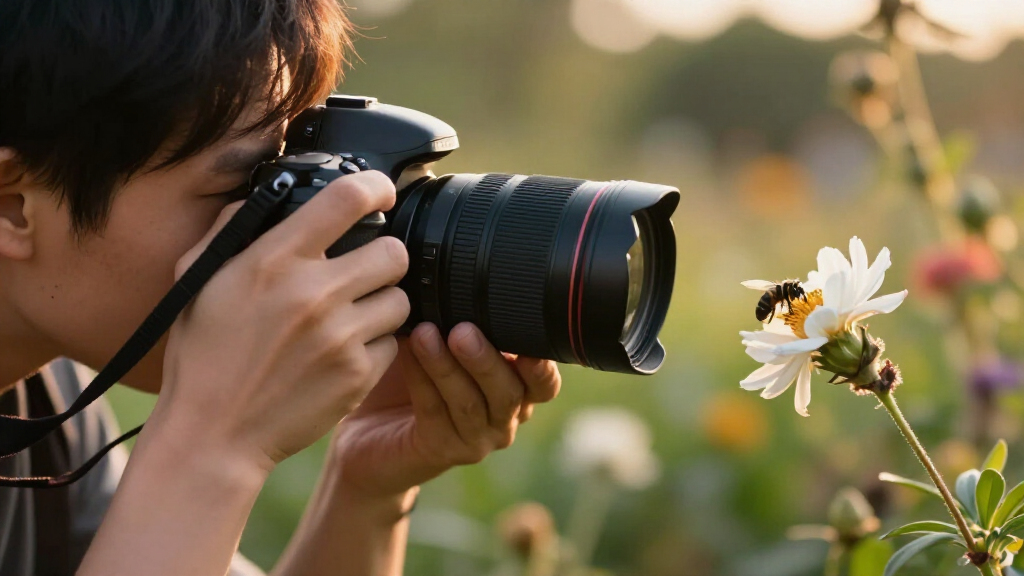

When searching for the best macro lenses, clarity, focusing speed, and compatibility are key factors. The Canon RF 85mm F2 Macro IS STM stands out for its image stabilization and sharpness on EOS R series cameras, making it ideal for handheld macro work. The Sony FE 90mm F2.8 Macro G OSS offers superb detail and a fast focus for full-frame Sony shooters. Balancing performance with price, the Canon RF100mm F2.8L Macro IS USM provides professional quality with versatile focal length. However, choosing the right macro lens often involves tradeoffs between price, size, autofocus speed, and compatibility. Continue reading for a detailed breakdown of each option and what makes them suitable for different needs.

Get audio and creator gear delivered free with Prime
- Fast, free delivery on millions of items
- Prime Video, Amazon Music and more included
- Member-only deals all year
Complete the kit


Key Takeaways
- The best macro lenses balance sharpness, stabilization, and autofocus speed to enhance handheld shooting.
- Focal length choices vary from 85mm to 100mm, affecting working distance and composition flexibility.
- Price differences reflect build quality, autofocus performance, and brand ecosystem compatibility.
- Full-frame lenses tend to deliver higher detail, but crop sensors can also produce excellent results at lower costs.
- Choosing between a dedicated macro lens and a versatile portrait lens depends on your primary subject and style.
| Canon RF 85mm F2 Macro IS STM Lens for EOS R Series Cameras |  | Best Compact Macro Lens for Canon EOS R Users | Aperture: f/2 | Focal Length: 85mm | Maximum Magnification: 0.5x | VIEW LATEST PRICE | See Our Full Breakdown |
| Nikon NIKKOR Z MC 105mm f/2.8 VR S Macro Prime Lens for Z Series Mirrorless Cameras |  | Best Professional 1:1 Macro for Z Series | Focal Length: 105mm | Maximum Aperture: f/2.8 | Magnification: 1:1 | VIEW LATEST PRICE | See Our Full Breakdown |
| Canon RF100mm F2.8L Macro IS USM Lens | 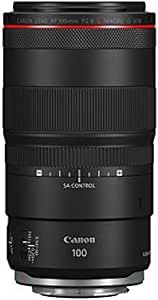 | Best Premium Macro for Canon RF Series | Maximum Magnification: 1.4x | Aperture: f/2.8 | Image Stabilization: Yes, up to 5 stops | VIEW LATEST PRICE | See Our Full Breakdown |
| Sony FE 90mm F2.8 Macro G OSS Full-Frame Lens |  | Best for Sharpness and Outdoor Macro | Focal Length: 90 mm | Maximum Aperture: F2.8 | Minimum Focus Distance: 0.92 ft | VIEW LATEST PRICE | See Our Full Breakdown |
| Canon EF 100mm f/2.8L IS USM Macro Lens for Canon Digital SLR Cameras |  | Best Classic Macro for Canon DSLRs | Focal Length: 100mm | Maximum Aperture: f/2.8 | Closest Focusing Distance: 0.99 feet | VIEW LATEST PRICE | See Our Full Breakdown |
| Sony FE 100mm F2.8 GM OSS |  | Best High-Resolution Macro for Professional Detail | Magnification: up to 2.8x with teleconverter | Maximum Magnification: 1.4x | Optical Image Stabilization: Yes | VIEW LATEST PRICE | See Our Full Breakdown |
| macro lense | Focal Length | Maximum Magnification | Image Stabilization | Aperture |
|---|---|---|---|---|
| Canon RF 85mm F2 Macro IS STM | 85mm | 0.5x | Optical IS (up to 5 stops) | f/2 |
| Nikon NIKKOR Z MC 105mm f/2.8 | 105mm | — | Vibration Reduction (VR) | — |
| Canon RF100mm F2.8L Macro IS U | — | 1.4x | Yes, up to 5 stops | f/2.8 |
| Sony FE 90mm F2.8 Macro G OSS | 90 mm | 1.0x | — | — |
| Canon EF 100mm f/2.8L IS USM M | 100mm | — | Yes | — |
| Sony FE 100mm F2.8 GM OSS | 100mm | 1.4x | — | F2.8 |
More Details on Our Top Picks
Canon RF 85mm F2 Macro IS STM Lens for EOS R Series Cameras
This lens stands out for its combination of a bright f/2 aperture and a compact, lightweight design, making it ideal for capturing both detailed macro shots and beautiful background blur. Compared to the Canon RF100mm F2.8L Macro, it offers easier handling and portability, though it sacrifices some magnification power, maxing out at 0.5x instead of 1.0x. Its optical stabilization enhances handheld macro work, but the limited magnification makes it less suitable for extreme close-ups. This pick makes the most sense for EOS R owners who want a versatile, portable macro lens without needing maximum magnification.
Pros:- Bright f/2 aperture enables excellent low-light macro shots
- Effective optical image stabilization for handheld photography
- Compact, lightweight build enhances portability
Cons:- Limited to Canon EOS R cameras, restricting upgrade options
- Maximum magnification of 0.5x may be insufficient for some macro subjects
Best for: Canon EOS R series photographers who prioritize portability and versatility for macro and portrait work
Not ideal for: Macro enthusiasts needing 1:1 magnification or those using non-R Canon cameras
- Aperture:f/2
- Focal Length:85mm
- Maximum Magnification:0.5x
- Minimum Focusing Distance:1.15 ft
- Image Stabilization:Optical IS (up to 5 stops)
- Compatibility:Canon EOS R series
Our verdict“This lens is ideal for Canon EOS R users seeking a portable, well-rounded macro lens with beautiful background separation.”
Nikon NIKKOR Z MC 105mm f/2.8 VR S Macro Prime Lens for Z Series Mirrorless Cameras
This lens offers exceptional sharpness and minimal distortion, making it a favorite for those requiring true 1:1 macro reproduction. Its 105mm focal length provides a comfortable working distance, especially compared with the Sony FE 90mm F2.8 Macro G, which is slightly shorter and can feel more intrusive for delicate subjects. The Nikon’s weather sealing and vibration reduction support outdoor and handheld shooting, but its premium price and weight may be drawbacks for casual users. This lens makes the most sense for professional or serious hobbyist photographers who demand top-tier image quality and durability.
Pros:- Sharp, contrast-rich images with minimal distortion
- Versatile for macro, portrait, and everyday photography
- Weather sealing adds durability in tough conditions
- Effective vibration reduction for handheld shooting
Cons:- Premium price may be prohibitive for some users
- Heavy build can be tiring for extended handheld use
Best for: Z series mirrorless photographers who need a versatile, professional-grade macro lens with weather sealing
Not ideal for: Beginners or those on a tight budget, due to its high cost and weight
- Focal Length:105mm
- Maximum Aperture:f/2.8
- Magnification:1:1
- Optical Design:S-Line optics
- Image Stabilization:Vibration Reduction (VR)
- Weather Sealed:Yes
Our verdict“This lens is best suited for professionals and dedicated hobbyists wanting top-quality macro performance on the Z platform.”
Canon RF100mm F2.8L Macro IS USM Lens
This lens excels with a 1.4x magnification ratio and advanced stabilization, making it perfect for capturing intricate macro details. Unlike the Nikon 105mm, it offers a slightly wider aperture for better low-light performance and unique spherical aberration control for customizable bokeh. However, its high price and limited to EOS R series cameras mean it’s best suited for professionals or dedicated macro shooters who want top-tier quality. Compared to the Sony FE 90mm F2.8 Macro, it delivers superior image quality but at a higher cost and weight, which could be a concern for travel or casual shooters.
Pros:- High-quality images with 1.4x magnification for life-size macro
- Effective stabilization up to 5 stops
- Advanced spherical aberration control for customizable bokeh
- Robust build quality
Cons:- Premium price point limits accessibility
- Limited compatibility outside EOS R series
Best for: Serious macro photographers invested in the Canon RF ecosystem seeking ultimate image quality
Not ideal for: Beginners or those seeking a more affordable, lighter macro option
- Maximum Magnification:1.4x
- Aperture:f/2.8
- Image Stabilization:Yes, up to 5 stops
- Compatible Cameras:EOS R series
Our verdict“This lens is designed for Canon RF users demanding high magnification and premium image quality in macro photography.”
Sony FE 90mm F2.8 Macro G OSS Full-Frame Lens
This lens offers outstanding sharpness across the frame, with 1.0x magnification ideal for detailed macro work. Its optical stabilization and weather resistance make it a strong choice for outdoor photography, especially compared to the Canon RF100mm, which lacks weather sealing. The lens’s weight of over 600 grams is a consideration for extended handheld use, but its quiet autofocus and high-quality coatings make it suitable for professional macro and close-up photography. This lens makes the most sense for Sony shooters who need robust outdoor capabilities without sacrificing image detail.
Pros:- Exceptional corner-to-corner sharpness
- Effective optical stabilization for handheld shooting
- Weather-resistant design supports outdoor use
- Quiet autofocus with advanced DDSSM technology
Cons:- Relatively heavy for extended handheld shooting
- Price may be high for hobbyists
Best for: Full-frame Sony users who shoot outdoors or require high sharpness in macro shots
Not ideal for: Travelers or casual shooters who prefer lighter, more portable options
- Focal Length:90 mm
- Maximum Aperture:F2.8
- Minimum Focus Distance:0.92 ft
- Maximum Magnification:1.0x
- Weight:602 g
- Weather Resistance:Dust and moisture resistant
Our verdict“This lens suits outdoor-focused Sony macro shooters demanding top sharpness and weather resilience.”
Canon EF 100mm f/2.8L IS USM Macro Lens for Canon Digital SLR Cameras
This classic macro lens provides a 100mm focal length and excellent sharpness at a very reasonable price, especially considering its image stabilization and near-silent USM focus. It’s a strong choice for Canon DSLR users, but unlike the RF lenses, it cannot be used with Canon’s newer mirrorless systems, limiting future compatibility. Compared with the Canon RF100mm, it’s more affordable and lighter, but it lacks the modern coatings and higher magnification of newer designs. It’s best suited for dedicated DSLR users who want reliable macro performance without the latest features.
Pros:- Excellent macro capabilities with life-size close-ups
- Effective image stabilization enhances sharpness
- Near-silent ultrasonic focusing system
Cons:- Cannot be used with newer Canon mirrorless cameras
- Limited to older EF mount system
Best for: Canon DSLR users seeking reliable, high-quality macro results at an accessible price
Not ideal for: Mirrorless users or those planning to upgrade to newer camera systems
- Focal Length:100mm
- Maximum Aperture:f/2.8
- Closest Focusing Distance:0.99 feet
- Image Stabilization:Yes
- Focus System:USM
- Filter Size:67mm
Our verdict“This lens offers excellent macro performance for Canon DSLR shooters looking for value and reliability.”
Sony FE 100mm F2.8 GM OSS
The Sony FE 100mm F2.8 GM OSS stands out for delivering exceptional G Master image quality, making it ideal for those who demand razor-sharp macro shots with stunning detail. Compared to the Sony FE 90mm F2.8 Macro G OSS, this lens offers slightly higher resolution and more versatile magnification options, especially when paired with a teleconverter. However, this added capability comes with a higher price tag and bulkier design, which might be a hurdle for casual users. The lens’s optical image stabilization and fast, quiet autofocus with four XD Linear AF motors ensure crisp images even in challenging conditions. Its maximum magnification of 1.4x with a teleconverter offers flexibility for detailed close-ups, but for those only interested in standard macro work, the native 1.0x magnification might suffice. Overall, this lens is perfect for professionals or advanced amateurs who prioritize resolution and stabilization, willing to accept the higher cost and weight.
Pros:- Exceptional G Master resolution for ultra-sharp detail
- Effective optical image stabilization enhances handheld shots
- Fast, quiet autofocus with four XD Linear AF motors for precision
Cons:- Higher cost compared to comparable macro lenses like the Sony FE 90mm F2.8 Macro G OSS
- Potentially bulky and heavy for extended handheld shooting
- Requires a teleconverter for magnification beyond 2.8x, adding to complexity
Best for: Professional macro photographers needing top-tier resolution and stabilization, especially those working with detailed subjects or in studio settings.
Not ideal for: Casual shooters or those on a budget, as the premium price and weight may outweigh the benefits for simpler or occasional macro use.
- Magnification:up to 2.8x with teleconverter
- Maximum Magnification:1.4x
- Optical Image Stabilization:Yes
- Autofocus Motors:Four XD Linear AF motors
- Aperture:F2.8
- Focal Length:100mm
- Lens Mount:Sony E-mount
- Weight:Approx. 700g
- Filter Size:67mm
Our verdict“This lens is best suited for professionals or serious hobbyists seeking maximum resolution and stabilization, accepting the higher investment.”
How We Picked
These macro lenses were selected based on a combination of image quality, autofocus performance, build durability, and overall value. Priority was given to lenses compatible with popular camera systems like Canon, Nikon, and Sony, ensuring broad usability. We also considered user feedback and professional reviews to identify which models excel in real-world macro photography scenarios. The ranking reflects a balance between performance, price, and versatility, helping buyers find options suited for both beginners and advanced photographers.| macro lense | Aperture | Image Stabilization | Maximum Aperture |
|---|---|---|---|
| Canon RF 85mm F2 Macro IS STM | f/2 | Optical IS (up to 5 stops) | — |
| Nikon NIKKOR Z MC 105mm f/2.8 | — | Vibration Reduction (VR) | f/2.8 |
| Canon RF100mm F2.8L Macro IS U | f/2.8 | Yes, up to 5 stops | — |
| Sony FE 90mm F2.8 Macro G OSS | — | — | F2.8 |
| Canon EF 100mm f/2.8L IS USM M | — | Yes | f/2.8 |
| Sony FE 100mm F2.8 GM OSS | F2.8 | — | — |
Factors to Consider When Choosing Best Macro Lenses
Choosing the right macro lens involves evaluating several key factors that influence image quality, usability, and long-term satisfaction. Beyond raw specifications, understanding how these elements interact can help you make a more informed decision tailored to your specific needs.Focal Length and Working Distance
The focal length determines how close you need to get to your subject and how much space you have around it. Longer focal lengths, like 100mm, provide more working distance, which is crucial for photographing delicate subjects or insects without disturbing them. Shorter macro lenses offer closer working distances but may be less comfortable for handheld shooting. Your choice here impacts your ability to capture natural, undisturbed shots and influences the lens size and handling.
Image Stabilization and Autofocus
Stabilization is especially important for handheld macro photography, where even minor shakes can blur details. Many high-end macro lenses include optical stabilization, which helps maintain sharpness. Autofocus speed and accuracy matter when photographing moving subjects or when rapid framing is needed; some lenses excel in this area, reducing missed shots and frustration. Weigh these features based on your shooting style and environment to avoid compromises in image quality or ease of use.
Build Quality and Weather Sealing
Macro lenses often go into challenging environments, so durability and weather sealing can extend their lifespan. Solid construction with quality materials ensures stability during critical focus pulls and reduces vibrations. Sealing against dust and moisture adds a layer of protection, especially if you plan to shoot outdoors frequently. Keep in mind, higher build quality typically comes with a higher price, but it can be a worthwhile investment for professional or outdoor photographers.
Price and Compatibility
Price varies significantly among macro lenses, often reflecting features, build quality, and brand reputation. It’s essential to choose a lens compatible with your camera system; an adapter can sometimes bridge gaps, but native mounts generally perform better. Consider whether you want a dedicated macro lens or one that doubles as a portrait or general-purpose lens, as this can influence your overall investment. Opting for a lens within your budget that still meets core needs can provide excellent results without overspending.
Versatility and Use Cases
Some macro lenses perform well for both close-up and portrait photography, offering greater versatility. Others are specialized solely for macro work, which maximizes detail but limits broader use. Think about your typical subjects — insects, flowers, jewelry, or product shots — and choose a lens that aligns with those needs. Investing in a versatile lens can save money long-term, but if macro is your primary focus, a dedicated model might be the better choice.
Frequently Asked Questions
Is a dedicated macro lens necessary, or can I use a regular lens with extension tubes?
While extension tubes can enable regular lenses to focus closer, dedicated macro lenses provide superior optical quality, consistent focus, and better sharpness at close distances. Extension tubes also often introduce some light loss and may complicate focusing. If you’re serious about macro work, investing in a dedicated macro lens generally offers more reliable results and easier handling, especially for detailed, professional images.
What focal length is best for macro photography?
Focal lengths between 90mm and 105mm are typically favored for macro photography because they strike a good balance between working distance and magnification. Longer focal lengths, like 180mm, provide even more distance from your subject, ideal for insects or sensitive subjects, but often come at a higher cost and larger size. Shorter focal lengths are more compact but require you to get very close, which can be intimidating or disruptive to your subject.
How important is image stabilization in macro lenses?
Image stabilization can significantly improve handheld macro shots by reducing camera shake, especially at higher magnifications. While some macro lenses include stabilization, others rely on tripod use for best results. If you frequently shoot without a tripod or prefer to work in dynamic environments, a stabilized lens is a wise investment. However, stabilization does not replace the need for proper technique and steady handling when working at high magnifications.
Can I use a macro lens for portraits?
Many macro lenses also excel at portrait photography due to their high-quality optics and focal lengths around 90-105mm. They can produce beautiful background blur and sharp subject detail. However, their close focusing distance might make framing difficult in tight spaces, and their maximum aperture could be less versatile for low-light conditions compared to dedicated portrait lenses. If you want a dual-purpose lens, choose one with a wide maximum aperture and a focal length suited for portraits as well as macro work.
Is a more expensive macro lens worth the extra cost?
Higher-priced macro lenses often feature better optical quality, faster autofocus, and more durable build quality. For professional or serious hobbyist use, these improvements can translate into clearer images and easier handling. However, for casual or beginner photographers, budget-friendly options can still offer excellent results, especially if you’re willing to work with a tripod or in controlled environments. Assess your needs and how much you value incremental gains to determine if the investment makes sense.
Conclusion
For casual hobbyists or those new to macro photography, a mid-range lens like the Canon RF100mm F2.8L Macro offers a great blend of quality and affordability. Professionals seeking the highest detail and build quality should consider the Sony FE 90mm F2.8 Macro G OSS for its superb optical performance. If budget is a concern, the Nikon NIKKOR Z MC 105mm provides excellent value without sacrificing too much in performance. For specialized needs like insect photography, longer focal length options are best, while those after a versatile all-rounder might prefer a lens that doubles as a portrait tool. Your choice ultimately depends on your primary subjects, budget, and how much you value speed and durability.
Columbus Day / Indigenous Peoples' Day Picks
long weekend sales
As an affiliate, we earn on qualifying purchases.