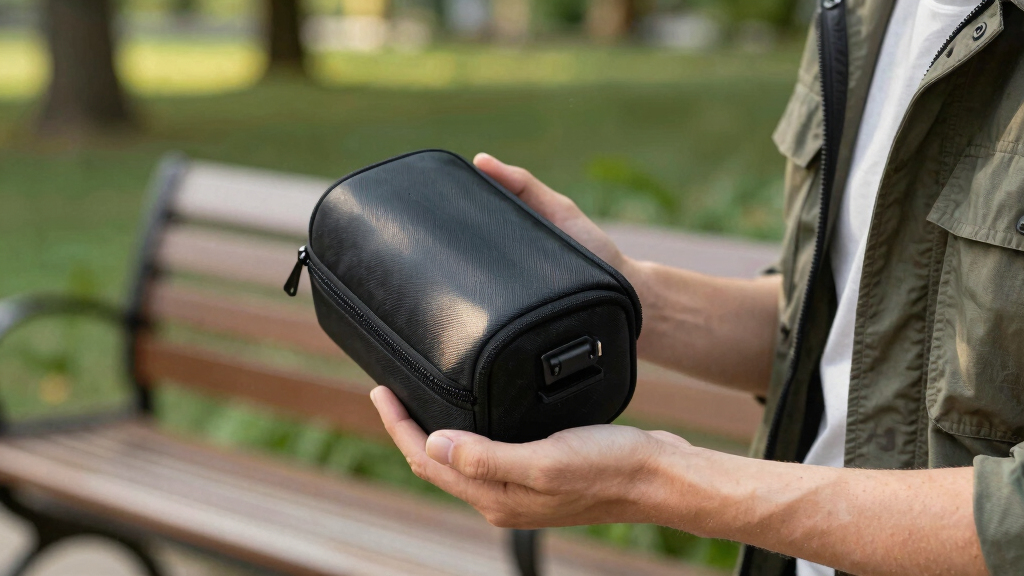
The best neoprene camera case should protect a camera from everyday knocks without turning it into another bulky piece of luggage. My top choice, the USA Gear Camera Sleeve, offers the best balance of impact protection, accessory storage, and carrying flexibility. The Neoprene Mirrorless Camera Sleeve ranks next because its 6mm construction and tethered quick closure suit photographers who want fast access. For a Fujifilm X100VI, however, the MegaGear X100VI case is the better-fitting option.

Get audio and creator gear delivered free with Prime
- Fast, free delivery on millions of items
- Prime Video, Amazon Music and more included
- Member-only deals all year
The main tradeoff is between precise fit and broad compatibility. A model-specific case moves less around the camera, while a general sleeve can serve several bodies but demands careful measurement. Storage also separates these picks: USA Gear includes a pocket, whereas MegaGear concentrates on a slim profile. None replaces a rigid case for drops, crushing pressure, or checked baggage. I rank these as light-duty protective sleeves for bags, walks, and daily travel.
Complete the kit


Key Takeaways
- USA Gear ranks first because it combines padded neoprene with the lineup’s only stated accessory pocket and belt loop.
- The Neoprene Mirrorless Camera Sleeve is the strongest quick-access choice, pairing a magic closure with a tether that keeps the cover attached.
- MegaGear is the best match for a Fujifilm X100VI, but its single-camera fit gives it little value to photographers who change bodies.
- CADeN provides the thickest listed neoprene at 7mm, although its connector strap is not designed to carry the camera’s weight.
- Every option is intended for scratches, dust, and modest bumps; buyers needing drop or crush protection should choose a structured camera bag.
| USA Gear Camera Sleeve (Medium) for Compact SLRs |  | Best Overall | Interior dimensions: 6.25 x 3 x 6.5 inches | Material: Padded neoprene | Case size: Medium | VIEW LATEST PRICE | See Our Full Breakdown |
| Neoprene Mirrorless Camera Sleeve Case for Canon and Nikon |  | Best for Quick Access | Maximum camera size: 130 x 75 x 100 mm | Material: Neoprene | Thickness: 6mm | VIEW LATEST PRICE | See Our Full Breakdown |
| MegaGear Neoprene Camera Case for Fujifilm X100VI |  | Best for Fujifilm X100VI | Designed for: Fujifilm X100VI | Dimensions: 145 x 100 x 65 mm | Material: Neoprene | VIEW LATEST PRICE | See Our Full Breakdown |
| CADeN DSLR SLR Camera Sleeve Case, Medium Black |  | Best for Medium DSLR Bodies | External dimensions: 7.68 x 3.74 x 6.49 inches | Inner dimensions: 7.08 x 3.15 x 6.1 inches | Material: Neoprene | VIEW LATEST PRICE | See Our Full Breakdown |
| neoprene camera case | Material | Accessory storage | Camera class | Protection focus |
|---|---|---|---|---|
| USA Gear Camera Sleeve | Padded neoprene | Zipper pocket | Compact SLR and mirrorless cameras | Scratches, dust, and everyday impacts |
| Neoprene Mirrorless Camera Sle | Neoprene | — | Mirrorless camera with compatible lens | — |
| MegaGear Neoprene Camera Case | Neoprene | None specified | — | Dirt, scratches, dust, bumps, and moisture |
| CADeN DSLR SLR Camera Sleeve C | Neoprene | — | — | — |
More Details on Our Top Picks
USA Gear Camera Sleeve (Medium) for Compact SLRs
I rank the USA Gear Camera Sleeve first because it does more than wrap a camera in neoprene. Its zipper accessory pocket and belt loop make it the most versatile option here for a short photo walk. A spare memory card, lens cloth, or compact battery can stay with the camera, reducing the need for a second pouch. The belt loop also keeps the covered camera accessible without occupying space inside a daypack.
Compared with the Neoprene Mirrorless Camera Sleeve, USA Gear gives up the tethered, peel-open design but gains useful storage. Its 6.25 x 3 x 6.5-inch interior supports a broad group of compact interchangeable-lens cameras, including models from Canon and Sony. That flexibility makes it a stronger shared or upgrade-friendly purchase than the MegaGear case, which is shaped only for the X100VI. The catch is that broad compatibility cannot deliver the same tailored fit.
This sleeve makes the most sense when I want one compact carrying solution rather than the smallest possible cover. Buyers still need to measure the camera with its intended lens attached; a body appearing on a compatibility list does not mean every lens combination will fit. The pocket is also useful for small, flat accessories rather than large chargers or extra lenses. Neoprene can show wear after repeated rubbing, and the sleeve lacks the rigid structure needed for severe impacts. Even with those limits, its balanced feature set earns the top position.
Pros:- Padded neoprene guards against scratches, dust, and routine bumps
- Zipper pocket keeps small accessories with the camera
- Belt loop provides a practical hands-free carrying option
- Broad compatibility covers several compact camera systems
Cons:- Universal sizing may leave some camera-and-lens combinations less snug
- Medium interior will not accommodate larger bodies or long lenses
- Neoprene may wear where it repeatedly rubs against bags or clothing
Best for: Photographers carrying a compact SLR or mirrorless camera who want basic protection, a small accessory pocket, and belt-mounted access.
Not ideal for: Owners of large bodies or long lenses, or travelers who need rigid drop and crush protection.
- Interior dimensions:6.25 x 3 x 6.5 inches
- Material:Padded neoprene
- Case size:Medium
- Accessory storage:Zipper pocket
- Carry feature:Belt loop
- Camera class:Compact SLR and mirrorless cameras
- Listed compatibility:Selected Canon, Sony, Pentax, and Leica models
- Protection focus:Scratches, dust, and everyday impacts
Our verdict“I rate USA Gear as the best overall choice because it pairs everyday neoprene protection with the most useful carrying and storage features in this lineup.”
Neoprene Mirrorless Camera Sleeve Case for Canon and Nikon
The Neoprene Mirrorless Camera Sleeve takes second place by emphasizing speed. Its magic closure opens without a zipper, while the included tether cord keeps the removed cover attached to the camera or strap. That pairing matters during street photography or family events, where setting a loose cover down can lead to losing it. At 6mm thick, the neoprene also supplies a clearly stated layer of cushioning without the bulk of a structured bag.
I prefer this model over CADeN when frequent removal and replacement are the priority. CADeN has 7mm neoprene, but its loop connector cannot support the camera’s weight; this sleeve presents its cord more clearly as a way to retain the cover. Compared with USA Gear, it is simpler and likely less cumbersome, although it lacks an accessory pocket and belt loop. That makes it a cover rather than an all-in-one carrying setup.
The 130 x 75 x 100mm size ceiling is both helpful and restrictive. It gives buyers a firm measurement target, yet compatible camera names alone are not enough because lens length and grip shape can change the fit. I would choose it for a small Canon or Nikon mirrorless kit that stays within those dimensions. I would skip it for rough travel: no water-resistance claim or drop rating is supplied, and soft padding cannot prevent crushing. Its fast closure and retained-cover design still make it the lineup’s most convenient option for active shooting.
Pros:- 6mm neoprene balances cushioning with low bulk
- Magic closure allows faster access than a zippered case
- Tether cord reduces the chance of misplacing the sleeve
- Durable stitching supports frequent everyday handling
Cons:- Strict size limit excludes larger grips and lens combinations
- No stated water-resistance rating
- Soft padding is insufficient for very rough handling
Best for: Canon or Nikon mirrorless owners who repeatedly uncover the camera and want a lightweight sleeve that remains tethered.
Not ideal for: Cameras larger than 130 x 75 x 100mm, wet-weather use, or situations involving hard drops and crushing pressure.
- Maximum camera size:130 x 75 x 100 mm
- Material:Neoprene
- Thickness:6mm
- Closure:Magic closure
- Included attachment:Tether cord
- Camera class:Mirrorless camera with compatible lens
- Listed brands:Canon and Nikon
- Water-resistance claim:Not specified
Our verdict“I recommend this sleeve to mirrorless shooters who value quick access and a cover-retaining tether more than accessory storage.”
MegaGear Neoprene Camera Case for Fujifilm X100VI
For one specific camera, the MegaGear Neoprene Camera Case is the easiest choice in the roundup. It is shaped for the Fujifilm X100VI, so buyers do not have to interpret a long compatibility list or estimate space for interchangeable lenses. A close fit reduces excess fabric and keeps the fixed-lens camera compact, which suits the X100VI’s appeal as a walk-around camera.
MegaGear also lists protection from moisture, dirt, dust, scratches, and bumps. That gives it a broader stated protection range than the second-ranked mirrorless sleeve, whose description makes no water-resistance claim. Yet moisture protection should not be read as waterproofing: there is no supplied IP rating, sealed closure specification, or immersion claim. I would still move the camera into a weatherproof bag during persistent rain.
Why is it third rather than first? Its strength is also its main limitation. Unlike USA Gear, it has no accessory pocket or belt loop, and it cannot adapt to another camera after an upgrade. The vibrant color choices add personality and can make the case easier to spot inside a dark bag, but they do not add carrying capacity. I rank it above CADeN because its purpose and fit are less ambiguous. For an X100VI owner seeking the slimmest tailored option, it may be the best personal choice despite its lower general ranking.
Pros:- Tailored specifically to the Fujifilm X100VI
- Protects against scratches, dust, dirt, bumps, and moisture
- Flexible neoprene preserves the camera’s portable character
- Multiple vibrant colors make the case easy to identify
Cons:- No compatibility beyond the Fujifilm X100VI
- No stated accessory compartment or external pocket
- Moisture protection is not backed by a supplied waterproof rating
Best for: Fujifilm X100VI owners who want a snug, lightweight cover for scratches, dust, modest bumps, and incidental moisture.
Not ideal for: Photographers with any other camera model or buyers who need room for batteries, cards, or cleaning accessories.
- Designed for:Fujifilm X100VI
- Dimensions:145 x 100 x 65 mm
- Material:Neoprene
- Color options:Various vibrant colors
- Accessory storage:None specified
- Fit type:Camera-specific
- Protection focus:Dirt, scratches, dust, bumps, and moisture
Our verdict“I would pick MegaGear for an X100VI because its tailored fit outweighs its lack of storage, but it has almost no value outside that single-camera use.”
CADeN DSLR SLR Camera Sleeve Case, Medium Black
The CADeN DSLR SLR Camera Sleeve is the roomiest DSLR-oriented option here, with inner dimensions of 7.08 x 3.15 x 6.1 inches. Its 7mm neoprene is also the thickest stated material in the group, one millimeter more than the quick-access mirrorless sleeve. That extra thickness can soften ordinary contact with other items in a bag, while the flexible construction avoids the bulk of a conventional camera pouch.
I place CADeN fourth because its practical boundaries need more care than its padding figure suggests. The loop connector strap secures the cover, but the supplied description says it is not designed to hold the camera’s weight. USA Gear is the clearer pick for belt-mounted carrying, and the tethered mirrorless sleeve is better when rapid cover removal matters. CADeN instead works as a protective wrap around a medium camera that already has a proper strap.
Its broad Nikon, Canon, Pentax, and Sony positioning gives it more reuse potential than MegaGear, though the fit will be less exact. Buyers should compare all three internal dimensions against the body and attached lens rather than relying on brand compatibility. The scratch-resistant padding is suitable for storage and routine transport, not hard falls or pressure under heavy luggage. I see it as a reasonable choice for a medium DSLR kit that fits, but its limited carrying function and generic sizing keep it behind the more purposeful alternatives.
Pros:- 7mm neoprene is the thickest stated padding in the lineup
- Flexible construction accommodates several camera brands
- Scratch-resistant interior-facing protection suits bag storage
- Loop connector helps keep the sleeve attached when removed
Cons:- Connector strap must not support the camera’s weight
- Generic dimensions may produce a loose or overly tight fit
- Soft construction offers limited defense against severe impacts
Best for: Owners of a compatible medium DSLR or SLR who want a thick, flexible cover for storage inside another bag.
Not ideal for: Anyone planning to carry the camera by the sleeve’s connector or needing protection from heavy impacts.
- External dimensions:7.68 x 3.74 x 6.49 inches
- Inner dimensions:7.08 x 3.15 x 6.1 inches
- Material:Neoprene
- Thickness:7mm
- Size and color:Medium, black
- Attachment:Loop connector strap
- Listed brands:Nikon, Canon, Pentax, and Sony
- Load-bearing capability:Not designed to hold camera weight
Our verdict“I see CADeN as a useful padded wrap for a compatible medium DSLR, but not as a stand-alone carrying case.”
How We Picked
I ranked these cases around the needs that matter most for neoprene protection: fit, padding, access, and portability. Fit received the most weight because loose fabric can shift around controls, while an undersized sleeve may place strain on seams or fail to close. I then compared thickness where it was supplied, the type of closure, and safeguards that reduce the chance of leaving the sleeve behind.
I also rewarded features that change how a case works away from home. The USA Gear pocket and belt loop make it a more complete carry option, while the tether on the mirrorless sleeve favors photographers who remove the cover frequently. MegaGear earns credit for its camera-specific shape and stated moisture protection, though its narrow compatibility lowers its overall position. CADeN’s 7mm material sounds reassuring, but I place it fourth because the supplied description warns against using its loop connector to support the camera.
My ranking treats neoprene as everyday surface and bump protection, not a substitute for a hard shell. I also separate stated facts from assumptions: when no waterproof rating, drop standard, or compartment capacity is supplied, I do not credit the product for one. That approach makes the differences visible without implying hands-on testing.
| neoprene camera case | Material | Accessory storage | Camera class | Protection focus |
|---|---|---|---|---|
| USA Gear Camera Sleeve | Padded neoprene | Zipper pocket | Compact SLR and mirrorless cameras | Scratches, dust, and everyday impacts |
| Neoprene Mirrorless Camera Sle | Neoprene | — | Mirrorless camera with compatible lens | — |
| MegaGear Neoprene Camera Case | Neoprene | None specified | — | Dirt, scratches, dust, bumps, and moisture |
| CADeN DSLR SLR Camera Sleeve C | Neoprene | — | — | — |
Factors to Consider When Choosing Best Neoprene Camera Cases
I choose a neoprene case by starting with the camera-and-lens combination, then deciding how the covered camera will be carried. Fit matters more than brand labels, and a sleeve that works inside a backpack may be inconvenient when worn on a belt. The points below explain the differences that have the greatest effect on daily use.
Measure the Camera With the Lens Attached
I would measure the camera’s width, height, and depth with the intended lens, cap, grip, and any permanent plate attached. Lens size often determines the fit, even when the camera body appears on a compatibility list. A little stretch is useful, but excessive tension can stress stitching and closures. Too much spare room allows the camera to shift. MegaGear avoids that uncertainty for the X100VI, while the other three picks require dimension-by-dimension checking.
Match the Closure to the Shooting Style
A quick closure favors photographers who uncover the camera repeatedly. The tethered mirrorless sleeve has the strongest setup for that pattern because the cover can remain attached. A more enclosed sleeve may feel tidier inside luggage but take longer to remove. I would pick fast access for active shooting and a secure, close fit for transport. No closure here turns soft neoprene into a rigid protective shell.
Treat Padding Thickness as One Part of Protection
CADeN lists 7mm neoprene and the mirrorless sleeve lists 6mm, but thickness alone does not reveal seam strength, compression behavior, or drop performance. I read those figures as indicators of cushioning against routine bumps. For crowded luggage, air travel, or environments where equipment may be crushed, I would place the sleeve inside a structured bag. Soft cases protect surfaces well; they cannot stop a heavy object from pressing into controls or a lens barrel.
Decide Whether Storage and Carry Features Matter
USA Gear is the only pick with a stated zipper pocket and belt loop, which explains its first-place ranking. Those features reduce extra clutter during a short outing, although the pocket remains suited to small accessories. Tethers and connector loops serve a different purpose: they keep the empty cover nearby. I would never treat an attachment as load-bearing unless the maker explicitly says it can carry the camera. With CADeN, the connector must not bear camera weight.
Frequently Asked Questions
Are neoprene camera cases waterproof?
No case in this comparison comes with a supplied waterproof or immersion rating. MegaGear states that its X100VI case protects against moisture, but I interpret that as incidental splash or dampness protection, not permission to expose the camera to sustained rain. Neoprene may slow light moisture, while openings and seams remain entry points. I would use a sealed rain cover or weatherproof bag when water exposure is likely.
How tight should a neoprene camera sleeve fit?
I look for a snug fit without strained seams. The camera should not slide freely inside the sleeve, but the closure should meet naturally and controls should not sit under constant pressure. Measure with the usual lens and accessories attached. A model-specific case such as MegaGear offers the clearest fit for an X100VI; universal sleeves trade that precision for broader camera compatibility.
Can a neoprene sleeve replace a padded camera bag?
I would not use one as a full replacement when carrying multiple lenses, traveling through crowded areas, or checking luggage. These sleeves are best for scratches, dust, and modest knocks. They lack rigid walls, substantial corner reinforcement, and organized lens storage. A sleeve can add a useful protective layer inside an ordinary backpack, while a dedicated padded bag remains better for drops, crushing pressure, and larger kits.
Which case is best for carrying small accessories?
The USA Gear Camera Sleeve is the clear choice because it has the lineup’s only stated zipper pocket. I would reserve that pocket for a memory card case, lens cloth, or similarly compact item rather than a bulky charger. The other picks focus on covering the camera itself, so they preserve a slimmer profile but require separate accessory storage.
Does thicker neoprene always mean better camera protection?
No. Thickness can improve cushioning, but fit, seams, closure coverage, and impact direction also affect protection. CADeN lists the thickest neoprene at 7mm, yet it still ranks below USA Gear because it lacks comparable storage and has a non-load-bearing connector. I would choose thickness for routine cushioning only after confirming fit and carrying function.
Conclusion
For most compact-camera owners, I recommend the USA Gear Camera Sleeve; its pocket, belt loop, and broad compatibility make it the most complete everyday choice. Photographers who prioritize speed should choose the tethered Neoprene Mirrorless Camera Sleeve, provided their Canon or Nikon kit fits its stated limit. Fujifilm X100VI owners get a cleaner, model-specific fit from MegaGear, while CADeN suits a medium DSLR stored inside another bag. If the camera will face rain, hard drops, or crushing pressure, I would skip all four and buy a structured weather-resistant camera bag.
Halloween Picks
halloween
As an affiliate, we earn on qualifying purchases.