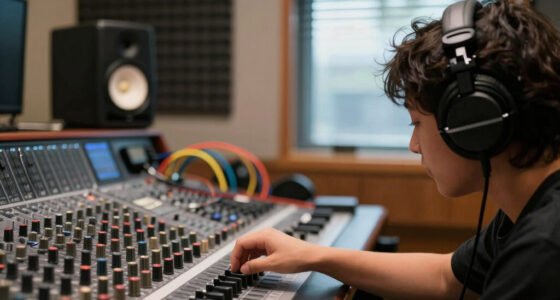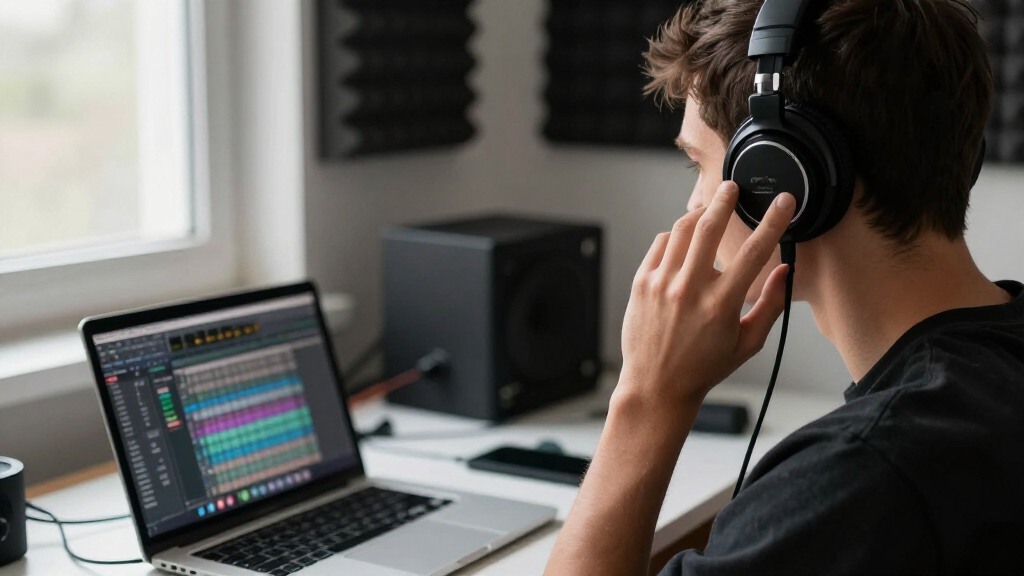

For creators, choosing the right studio headphones is essential for accurate sound monitoring and comfortable long sessions. The Sony MDR-M1 stands out as the overall best for its pristine audio clarity and durability. For those on a budget, the Audio-Technica ATH-M40x offers impressive performance without breaking the bank, while the Beyerdynamic DT 770 PRO provides exceptional comfort for extended use. The main tradeoffs in this category typically involve balancing sound accuracy, comfort, and price. Continue reading for a detailed breakdown of each option to find your perfect match.

Get audio and creator gear delivered free with Prime
- Fast, free delivery on millions of items
- Prime Video, Amazon Music and more included
- Member-only deals all year
Complete the kit


Key Takeaways
- Sound accuracy and flat frequency response are the most critical factors for creators monitoring their work.
- Comfort and build quality heavily influence long-term usability, especially during extended sessions.
- There’s a noticeable performance gap between entry-level models and premium headphones, justifying higher prices for professional-grade quality.
- Wired connections generally offer lower latency and better reliability than Bluetooth for studio work, but some creators prefer wireless for convenience.
- The best headphones balance sound fidelity, durability, and comfort, with tradeoffs often involving price or portability.
| Sony MDR-M1 Professional Reference Closed Monitor Headphones |  | Best Overall for Professional Studio Monitoring | Frequency Response: 5 Hz–80 kHz | Weight: 216g | Connectivity: Screw-in plug with 6.3 mm and 3.5 mm adapters | VIEW LATEST PRICE | See Our Full Breakdown |
| Audio-Technica ATH-M40x Professional Studio Monitor Headphones, Black |  | Best Value for Accurate Monitoring | Driver Size: 40mm | Design: Circumaural | Swiveling Earcups: 90 degrees | VIEW LATEST PRICE | See Our Full Breakdown |
| Audio-Technica ATH-M30x Professional Studio Monitor Headphones, Black |  | Best for Mid-Range Clarity and Portability | Driver Size: 40 mm | Design: Circumaural | Cable: Single side exit | VIEW LATEST PRICE | See Our Full Breakdown |
| AKG K240 Studio Semi-Open Studio Headphones |  | Best for Critical Listening and Mixing | Impedance: 55 Ohm | Transducer Size: 30 mm | Cable Length: 3 meters (9.9 feet) | VIEW LATEST PRICE | See Our Full Breakdown |
| OneOdio A70 Bluetooth Over-Ear Headphones, Hi-Res Wired DJ Studio – Black | 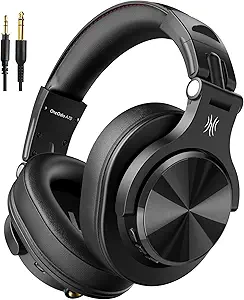 | Best for Wireless Convenience and Extended Playback | Playtime: 72 hours | Wired Compatibility: 3.5mm and 6.35mm jacks | Drivers: 40mm neodymium | VIEW LATEST PRICE | See Our Full Breakdown |
| OneOdio Wired DJ Over-Ear Headphones with 50mm Drivers, Dual 3.5mm and 6.35mm Jacks, Black |  | Best for DJs and Monitoring in Studio Environments | Driver Size: 50mm | Connectivity: Dual 3.5mm and 6.35mm jacks | Color: Black | VIEW LATEST PRICE | See Our Full Breakdown |
| Sennheiser HD 280 Pro Headphones |  | Best for Critical Monitoring and Noise Isolation | Type: Closed-back headphones | Attenuation: 32 dB | Connectivity: Wired | VIEW LATEST PRICE | See Our Full Breakdown |
| Sony MDR-7506 Professional Large Diaphragm Headphones, 40mm Drivers, 10Hz-20kHz | 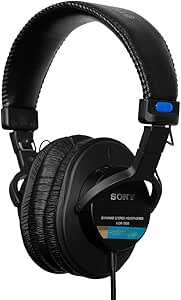 | Best for Studio Professionals and Field Recording | Driver Size: 40mm | Frequency Response: 10Hz-20kHz | Cord Length: 9.8 feet | VIEW LATEST PRICE | See Our Full Breakdown |
| Beyerdynamic DT 770 PRO 80 Ohm Over-Ear Studio Headphones, Gray |  | Best for Critical Listening and Noise Isolation | Impedance: 80 Ohm | Design: Closed-back | Cable Length: 3 meters | VIEW LATEST PRICE | See Our Full Breakdown |
| Audio-Technica ATH-M20x Professional Studio Monitor Headphones, Black |  | Best for Beginners and Entry-Level Studio Work | Driver Size: 40 mm | Design: Circumaural | Cable Exit: Single side | VIEW LATEST PRICE | See Our Full Breakdown |
| Beyerdynamic DT 990 PRO Studio Headphones (250 Ohm, Black) |  | Best for Critical Listening and Professional Mixing | Impedance: 250Ω | Color: Black | Design: Open-back, over-ear | VIEW LATEST PRICE | See Our Full Breakdown |
| Maono MH601 Wired Studio Headphones for Podcast Recording and DJ Mixing |  | Best for Versatile Studio and Live Monitoring | Driver Size: 50mm | Cable Length: 9.8ft | Connector Types: 3.5mm, 6.35mm | VIEW LATEST PRICE | See Our Full Breakdown |
| OneOdio A71 Hi-Res Wired Over-Ear Studio Headphones for DJ, Mixing – Black |  | Best for DJing and High-Resolution Studio Monitoring | Driver Size: 40mm | Connectivity: 3.5mm, 6.35mm jacks | Cord Length: 6.6-9.8 ft coiled | VIEW LATEST PRICE | See Our Full Breakdown |
| Wired Over-Ear Headphones for Studio Monitoring & Mixing |  | Best for Extended Studio Monitoring & Shared Listening | Driver Size: 50mm | Frequency Range: 20Hz – 20kHz | Weight: 260g | VIEW LATEST PRICE | See Our Full Breakdown |
| studio headphones for creator | Driver Size | Design |
|---|---|---|
| Sony MDR-M1 Professional Refer | — | — |
| Audio-Technica ATH-M40x Profes | 40mm | Circumaural |
| Audio-Technica ATH-M30x Profes | 40 mm | Circumaural |
| AKG K240 Studio Semi-Open Stud | — | — |
| OneOdio A70 Bluetooth Over-Ear | — | Foldable, rotatable, ergonomic |
| OneOdio Wired DJ Over-Ear Head | 50mm | — |
| Sennheiser HD 280 Pro Headphon | — | — |
| Sony MDR-7506 Professional Lar | 40mm | Closed-ear, foldable |
| Beyerdynamic DT 770 PRO 80 Ohm | — | Closed-back |
| Audio-Technica ATH-M20x Profes | 40 mm | Circumaural |
| Beyerdynamic DT 990 PRO Studio | — | Open-back, over-ear |
| Maono MH601 Wired Studio Headp | 50mm | — |
| OneOdio A71 Hi-Res Wired Over- | 40mm | Over-ear, foldable |
| Wired Over-Ear Headphones for | 50mm | — |
More Details on Our Top Picks
Sony MDR-M1 Professional Reference Closed Monitor Headphones
The Sony MDR-M1 stands out for its ultra-wideband frequency response of 5 Hz–80 kHz, delivering exceptional clarity that surpasses many competitors like the Audio-Technica ATH-M40x. Its comfortable fit and durable, replaceable components make it ideal for long studio sessions, though the lightweight build may feel less sturdy to some and the screw-in connectors require careful handling. While the high price might be a barrier for casual users, this model is perfect for professionals needing precise, transparent sound. Its versatile connectivity, including adapters for different setups, makes it adaptable for various studio environments.
Pros:- Exceptional sound clarity with ultra-wideband frequency response
- Comfortable for extended wear with soft padding
- Durable, replaceable components for longevity
- Versatile connectivity options for various studio setups
Cons:- Lightweight design may feel less sturdy for some users
- Requires careful handling of screw-in connectors
Best for: Professional audio engineers and serious creators who prioritize pristine sound accuracy and durability in studio environments.
Not ideal for: Casual hobbyists or those on a tight budget, as its premium price and specialized features may be unnecessary.
- Frequency Response:5 Hz–80 kHz
- Weight:216g
- Connectivity:Screw-in plug with 6.3 mm and 3.5 mm adapters
- Earpad Material:Soft, thick padding
- Cable Lengths:Two detachable cables
Our verdict“This headphone is best suited for professional creators demanding top-tier sound fidelity and build quality.”
Audio-Technica ATH-M40x Professional Studio Monitor Headphones, Black
The ATH-M40x offers a balanced sound profile with its 40mm drivers, making it a solid choice for creators who need reliable monitoring without the premium cost of the Sony MDR-M1. Its circumaural design provides excellent sound isolation, comparable to the AKG K240, but with a more affordable price point. The swiveling earcups add flexibility during mixing sessions, though the bulkiness may be less ideal for portable use. This model strikes a good balance between sound quality and affordability, making it perfect for home studios or on-the-go creators who value durability and comfort.
Pros:- Excellent sound isolation with circumaural design
- Durable, professional-grade materials
- Swiveling earcups for versatile monitoring
- Affordable compared to high-end models
Cons:- Bulky for portable use
- Requires adjustment for a perfect fit
Best for: Budget-conscious creators seeking professional sound quality for studio monitoring and mixing.
Not ideal for: Travelers or portable users who prefer lightweight, more compact headphones for mobility.
- Driver Size:40mm
- Design:Circumaural
- Swiveling Earcups:90 degrees
- Included Accessories:Detachable cables
- Color:Black
Our verdict“Ideal for creators who want professional-grade sound without the high-end price tag and don’t mind some bulk.”
Audio-Technica ATH-M30x Professional Studio Monitor Headphones, Black
The ATH-M30x excels in delivering detailed mid-range sound, making it well-suited for creators focused on vocals and mid-frequency editing, unlike the Sony MDR-M1 which offers broader bandwidth. Its collapsible, portable design provides convenience for creators who often work on the move, though it may lack the bass depth found in higher-end models like the Beyerdynamic DT 770 PRO. The single-side cable exit simplifies cable management, but the build quality might not match more expensive alternatives. Overall, it offers a balanced mix of portability and precise sound, ideal for intermediate creators working in varied environments.
Pros:- Excellent sound isolation in a portable form factor
- Collapsible design for easy storage
- Good mid-range detail for vocal and dialogue editing
- Single side cable exit for reduced clutter
Cons:- Lower bass response compared to higher-end models
- Build quality could be more durable
Best for: Intermediate creators needing detailed mid-range clarity and portability for mobile or home studio use.
Not ideal for: Bass-heavy producers or those requiring ultra-wide frequency response for mastering.
- Driver Size:40 mm
- Design:Circumaural
- Cable:Single side exit
- Foldable:Yes
Our verdict“A versatile choice for creators who prioritize portability and mid-range detail over ultra-wide frequency response.”
AKG K240 Studio Semi-Open Studio Headphones
The AKG K240 offers a semi-open design with XXL transducers, producing a natural, detailed sound that rivals closed-back models like the Audio-Technica ATH-M40x for mixing and mastering. Its self-adjusting headband provides comfort during long sessions, and the wide dynamic range is ideal for critical listening. However, the semi-open design means sound leaks are inevitable, making them less suitable for noisy environments or tracking situations. For creators who prioritize transparency and accurate reproduction, the K240 provides a balanced, professional listening experience with the tradeoff of some sound leakage.
Pros:- Excellent sound quality with wide dynamic range
- Comfortable for long studio sessions
- Durable build suitable for daily use
- Versatile connectivity options
Cons:- Sound leaks in semi-open design
- Requires an amplifier for optimal performance
Best for: Mixing, mastering, and critical listening in controlled studio environments.
Not ideal for: Recording in noisy environments or portable use where sound leakage could be disruptive.
- Impedance:55 Ohm
- Transducer Size:30 mm
- Cable Length:3 meters (9.9 feet)
- Connectors:Stereo 1/8″ with 1/4″ adapter
Our verdict“Best suited for creators focused on detailed sound and transparency in quiet studio settings.”
OneOdio A70 Bluetooth Over-Ear Headphones, Hi-Res Wired DJ Studio – Black
The OneOdio A70 separates itself with an impressive 72-hour battery life, making it ideal for creators who need long-lasting wireless performance, unlike the wired-only models like the Audio-Technica ATH-M30x. Its high-resolution sound quality and ergonomic design support extended listening and mixing, but the bulkier, foldable form factor may be less practical for on-the-go use. The ability to switch seamlessly between wired and wireless modes and share audio with multiple users adds versatility, though setup can be somewhat complex, and manual switching may interrupt workflow. This model suits creators who want convenience and long battery life over ultra-compact portability.
Pros:- Long battery life of up to 72 hours
- Versatile wired and wireless modes
- Comfortable ergonomic design for extended wear
- Audio sharing feature for multiple users
Cons:- Bulkier design reduces portability
- Manual mode switching can be inconvenient
Best for: Wireless-focused creators, DJs, or those who require long playback times and multi-user sharing in studio or casual settings.
Not ideal for: Travelers or creators needing lightweight, highly portable headphones for frequent on-the-go use.
- Playtime:72 hours
- Wired Compatibility:3.5mm and 6.35mm jacks
- Drivers:40mm neodymium
- Design:Foldable, rotatable, ergonomic
- Materials:Memory cotton, skin-friendly protein leather
Our verdict“A great choice for creators who prioritize wireless freedom and extended use over compactness and simplicity.”
OneOdio Wired DJ Over-Ear Headphones with 50mm Drivers, Dual 3.5mm and 6.35mm Jacks, Black
This model stands out for its powerful 50mm drivers that deliver impactful bass and clear high frequencies, making it ideal for both DJing and detailed studio monitoring. Unlike the more neutral sound signature of the Sennheiser HD 280 Pro, the OneOdio emphasizes punchy lows, which can be a plus for beatmakers but less ideal for mixing critical audio. The large, padded ear cups ensure comfort during long sessions, but the bulky design might hinder portability or casual use. Its dual jack support enhances compatibility with mixers and audio interfaces, a feature not always present in other wired options.
BestFor: DJs, live performers, and creators who prioritize bass response and durability in stationary or semi-stationary setups.
NotIdealFor: Creators seeking lightweight, travel-friendly headphones or active noise cancellation for editing on the go.
- Powerful bass and clear highs
- Comfortable for extended use
- Supports single-ear monitoring
- Shared audio port for easy sharing
- Limited to wired use only
- No active noise cancellation
- Bulky for portable use
Verdict: This pick makes the most sense for DJs and studio artists who need robust, wired monitoring with a punchy sound.
- Driver Size:50mm
- Connectivity:Dual 3.5mm and 6.35mm jacks
- Color:Black
- Swiveling Ear Cups:90°
- Compatibility:Smartphones, laptops, tablets, audio interfaces, DJ mixers, amplifiers
Our verdict“Best for DJs and Monitoring in Studio Environments — a strong pick in this lineup.”
Sennheiser HD 280 Pro Headphones
The Sennheiser HD 280 Pro excels in delivering excellent noise attenuation with up to 32 dB of sound isolation, making it perfect for studio environments where background noise can be distracting. Compared to the Beyerdynamic DT 770 PRO, it offers a more neutral and detailed sound profile suitable for precise mixing. While the HD 280’s lightweight, collapsible design is convenient for transport, some users find its bulkier build less comfortable for long sessions. Its wired connection limits mobility, but the replaceable ear pads and cables boost longevity. This headphone is a solid choice for professionals focusing on accuracy over portability.
BestFor: Recording engineers and studio operators requiring clear, detailed sound with excellent noise isolation.
NotIdealFor: Creators who need wireless or extremely lightweight headphones for mobile editing or casual listening.
- Exceptional noise isolation
- Comfortable and lightweight
- Replaceable ear pads and cables
- Foldable, portable design
- Wired only, limits mobility
- Design may feel bulky for some users
Verdict: This model is ideal for critical listening and monitoring in studio setups demanding high noise isolation.
- Type:Closed-back headphones
- Attenuation:32 dB
- Connectivity:Wired
- Cord Length:3.3 to 9.8 feet
- Frequency Response:Extended
Our verdict“Best for Critical Monitoring and Noise Isolation — a strong pick in this lineup.”
Sony MDR-7506 Professional Large Diaphragm Headphones, 40mm Drivers, 10Hz-20kHz
The Sony MDR-7506 stands out for its high-quality sound reproduction with large 40mm drivers capable of capturing a broad frequency range, making it a staple for studio monitoring and field recording alike. Compared with the Beyerdynamic DT 770 PRO, it offers a more portable, foldable design suited for on-the-go professionals but lacks wireless options and has a non-detachable cord, which can be a drawback for durability and mobility. The rugged build and included soft case make it a reliable choice for mobile and studio use, though some may find the design slightly bulky for extended wear. It’s a perennial favorite for those needing dependable, high-fidelity monitoring.
BestFor: Studio engineers, radio broadcasters, and videographers demanding accurate sound in portable packages.
NotIdealFor: Creators seeking wireless convenience or ultra-lightweight headphones for casual use.
- High-quality sound with large drivers
- Foldable, portable design
- Durable construction with soft case
- Gold-plated connectors
- Non-detachable cord limits flexibility
- Design may feel bulky for some users
Verdict: This headphone offers reliable, studio-grade sound with portability for professionals on the move.
- Driver Size:40mm
- Frequency Response:10Hz-20kHz
- Cord Length:9.8 feet
- Connector:Gold-plated 1/4 inch, stereo Unimatch plug
- Design:Closed-ear, foldable
Our verdict“Best for Studio Professionals and Field Recording — a strong pick in this lineup.”
Beyerdynamic DT 770 PRO 80 Ohm Over-Ear Studio Headphones, Gray
The Beyerdynamic DT 770 PRO 80 Ohm offers excellent noise isolation thanks to its closed-back design and velour ear pads, making it a strong candidate for detailed mixing and mastering. Compared with the Sennheiser HD 280 Pro, it provides a slightly more spacious, natural sound, though it may require an amplifier due to its 80 Ohm impedance. The durable German craftsmanship ensures longevity, but the thicker cable and bulkier profile can restrict movement during dynamic studio sessions. Its comfort and sound clarity make it a favorite for critical listening, yet its sensitivity to high-output gear warrants caution.
BestFor: Mixing engineers and audio professionals needing detailed sound and noise isolation in a durable, over-ear package.
NotIdealFor: Creators working in mobile environments without an amplifier or those prioritizing ultra-lightweight gear.
- Excellent noise isolation
- Comfortable velour ear pads
- Durable with replaceable parts
- German craftsmanship
- Requires an amplifier at 80 Ohm
- Bulkier cable and profile
Verdict: This headphone is best suited for critical monitoring where noise isolation and durability are priorities.
- Impedance:80 Ohm
- Design:Closed-back
- Cable Length:3 meters
- Material:Velour ear pads
- Country of Manufacture:Germany
Our verdict“Best for Critical Listening and Noise Isolation — a strong pick in this lineup.”
Audio-Technica ATH-M20x Professional Studio Monitor Headphones, Black
The Audio-Technica ATH-M20x makes this list for its balanced sound profile and straightforward build, perfect for newcomers to studio monitoring. In comparison to the Sony MDR-7506, it offers a more affordable entry point with decent low-end response, though it may lack the same level of detail and durability. Its circumaural design provides good sound isolation, but the build quality feels more basic, which could impact longevity with heavy use. The single-side cable exit simplifies setup, but overall, this model prioritizes value over premium features. It’s suitable for beginners who want reliable monitoring without breaking the bank.
BestFor: Beginners, students, and creators starting out in home or project studios.
NotIdealFor: Experienced professionals or those needing high-fidelity monitoring for critical mixing.
- Good sound isolation
- Comfortable circumaural fit
- Single side cable exit
- Affordable price point
- Limited deep bass response
- Basic build quality
Verdict: This headphone offers solid, entry-level performance for creators beginning their studio journey.
- Driver Size:40 mm
- Design:Circumaural
- Cable Exit:Single side
- Color:Black
Our verdict“Best for Beginners and Entry-Level Studio Work — a strong pick in this lineup.”
Beyerdynamic DT 990 PRO Studio Headphones (250 Ohm, Black)
The Beyerdynamic DT 990 PRO stands out for its exceptional sound clarity and expansive soundstage, making it ideal for studio professionals who need precise audio for mixing and mastering. Compared with the Audio-Technica ATH-M50x, it offers a more natural sound profile, which benefits critical listening rather than just monitoring. However, its high impedance of 250Ω demands a capable headphone amplifier, which might be a hurdle for casual creators. The open-back design produces a spacious sound but leaks sound and doesn’t block external noise, so it’s best suited for controlled studio environments. This model excels at revealing subtle details in mixes, but its less portable open-back design limits on-the-go use.
Pros:- Excellent sound clarity with a natural, spacious soundstage
- Comfortable for long mixing sessions thanks to soft, replaceable velour pads
- High build quality from Germany ensures durability and reliability
Cons:- Requires a powerful headphone amplifier due to high impedance
- Open-back design causes sound leakage and poor external noise isolation
Best for: Professional music producers and mixing engineers who prioritize sound accuracy over portability
Not ideal for: Home studio owners with limited space or creators needing isolation for noisy environments
- Impedance:250Ω
- Color:Black
- Design:Open-back, over-ear
- Type:Wired
- Ear Pads:Velour, replaceable
- Country of Manufacture:Germany
Our verdict“This headphone is perfect for creators who need transparent, detailed audio in controlled studio settings and are willing to invest in amplification gear.”
Maono MH601 Wired Studio Headphones for Podcast Recording and DJ Mixing
The Maono MH601 offers a balanced mix of high-fidelity sound and portability, making it a flexible choice for creators who switch between studio recording and live DJing. Its 50mm drivers provide clear, punchy bass and detailed mids, comparable to the OneOdio A71, but with a focus on broader versatility. The headphones include a 9.8ft cable, multiple connectors, and foldability, which boost mobility and convenience. However, the absence of a built-in microphone limits voice communication, and passive design means you’ll need external amps for optimal performance—similar to the Wired Over-Ear Headphones for Studio Monitoring. They are best suited for creators prioritizing sound quality and adaptability over integrated features like communication tools.
Pros:- Powerful 50mm drivers deliver immersive, clear sound with punchy bass
- Comfortable ear pads and adjustable headband for long sessions
- Foldable design and multiple connectors for portable, flexible use
Cons:- No integrated microphone for voice chat or recording
- Passive design requires external amplification for best sound quality
Best for: Podcasters, DJs, and creators who need versatile monitoring with good mobility
Not ideal for: Mobile vloggers or streamers needing a built-in mic and wireless features
- Driver Size:50mm
- Cable Length:9.8ft
- Connector Types:3.5mm, 6.35mm
- Noise Isolation:85%
- Foldable:Yes
- Compatibility:Smartphones, PC, mixers, microphones
Our verdict“This headphone makes the most sense for creators who need high-quality monitoring combined with portability, but not for those requiring integrated mic features.”
OneOdio A71 Hi-Res Wired Over-Ear Studio Headphones for DJ, Mixing – Black
The OneOdio A71 provides high-resolution sound with detailed clarity, making it a solid choice for DJs and creators who need accurate monitoring. Its 40mm drivers deliver a slightly more compact but still punchy sound profile compared to the 50mm drivers of the Maono MH601. The swiveling earcups support single-ear monitoring, which is essential for DJing and live mixing scenarios. While the wired connection offers reliable audio, the bulk and weight—due to the padding and swivels—may be a concern for extended wear. Compared to lighter models like the Wired Over-Ear Headphones for Studio Monitoring, it sacrifices some comfort for versatility in monitoring styles, especially for those who prefer a more lightweight fit.
Pros:- High-res 40mm drivers produce detailed, punchy sound
- Swiveling earcups enable single-ear monitoring, ideal for DJing
- Adjustable headband and padded ear cushions ensure comfort during long sets
Cons:- Wired design limits mobility and movement
- Potentially heavy for all-day wear due to padding and swivels
Best for: DJs and studio mixers who require detailed sound with flexible monitoring options
Not ideal for: Long-form content creators or mobile users who prioritize lightweight, all-day wear
- Driver Size:40mm
- Connectivity:3.5mm, 6.35mm jacks
- Cord Length:6.6-9.8 ft coiled
- Earcup Rotation:90° swiveling
- Design:Over-ear, foldable
Our verdict“This model is best for creators who need precise, flexible monitoring in DJ or live performance contexts and don’t mind the weight.”
Wired Over-Ear Headphones for Studio Monitoring & Mixing
The Wired Over-Ear Headphones for Studio Monitoring offer a balanced sound profile with punchy bass and clear treble, suitable for long hours of mixing or critical listening. Its lightweight design at just 260g makes it more comfortable for extended sessions, unlike heavier models like the OneOdio A71. The inclusion of sharing technology allows multiple listeners to enjoy the same audio, a feature that appeals to collaborative creators. However, the lack of active noise cancellation means external noise can interfere, and the build quality details are limited, raising questions about durability over time. Compared with the Maono MH601, it leans more toward long-term studio use rather than portable versatility, making it a strong choice for fixed setups.
Pros:- High-resolution sound with punchy bass and clear treble
- Lightweight and comfortable for long studio sessions
- Includes sharing technology for easy co-listening
Cons:- No active noise cancellation, limiting use in noisy spaces
- Wired connection restricts mobility
Best for: Studio creators who need comfortable, high-quality monitoring with sharing capabilities
Not ideal for: On-the-move creators or noisy environments that demand noise cancellation
- Driver Size:50mm
- Frequency Range:20Hz – 20kHz
- Weight:260g
- Cord Length:5.7ft – 6ft
- Plug Types:3.5mm and 6.35mm
Our verdict“This headphone is ideal for studio environments where comfort and sharing features are priorities, but not for mobile or noisy settings.”

How We Picked
In selecting these studio headphones, I prioritized models that deliver reliable sound accuracy, durability, and comfort—key factors for creators who monitor audio critically. Performance was evaluated based on frequency response, sound clarity, and noise isolation capabilities. Build quality and comfort were assessed through ear cup materials, weight, and ergonomic design, crucial for long mixing or recording sessions. Value was also a consideration, ensuring options suit different budgets without sacrificing essential features. The ranking reflects a combination of these factors, favoring models that provide professional-grade monitoring at a range of price points.| studio headphones for creator | Design |
|---|---|
| Sony MDR-M1 Professional Refer | — |
| Audio-Technica ATH-M40x Profes | Circumaural |
| Audio-Technica ATH-M30x Profes | Circumaural |
| AKG K240 Studio Semi-Open Stud | — |
| OneOdio A70 Bluetooth Over-Ear | Foldable, rotatable, ergonomic |
| OneOdio Wired DJ Over-Ear Head | — |
| Sennheiser HD 280 Pro Headphon | — |
| Sony MDR-7506 Professional Lar | Closed-ear, foldable |
| Beyerdynamic DT 770 PRO 80 Ohm | Closed-back |
| Audio-Technica ATH-M20x Profes | Circumaural |
| Beyerdynamic DT 990 PRO Studio | Open-back, over-ear |
| Maono MH601 Wired Studio Headp | — |
| OneOdio A71 Hi-Res Wired Over- | Over-ear, foldable |
| Wired Over-Ear Headphones for | — |
Factors to Consider When Choosing Studio Headphones For Creators
Choosing the right studio headphones involves balancing several key factors beyond just sound quality. Understanding your specific needs—whether for mixing, recording, or casual listening—will help narrow your options. The following considerations will guide you through the most important aspects to keep in mind when making your purchase.Sound Accuracy and Frequency Response
For creators, precise sound reproduction is non-negotiable. Look for headphones with a flat frequency response that doesn’t artificially boost bass or treble, allowing you to hear your audio exactly as it is. Cheaper models often color the sound, which can lead to mixing decisions that don’t translate well to other systems. Investing in headphones with a broad, flat response ensures you’re making informed edits and mixes.
Comfort and Wearability
Long studio sessions demand headphones that sit comfortably without causing fatigue or discomfort. Factors like ear cup padding, headband adjustability, and weight play a significant role. Over-ear designs with plush padding tend to distribute pressure evenly, but some may find them bulky, especially during extended use. Prioritize ergonomic design and materials that breathe, reducing sweating and discomfort.
Build Quality and Durability
Studio headphones often see heavy use, so durability matters. Look for sturdy construction materials such as metal grilles and reinforced cables. Detachable cables are a plus, making replacements easier if needed. Cheaper plastic models may crack or wear out quickly, leading to costly replacements, so consider the long-term value of a more robust build.
Wired vs. Wireless
While wireless headphones offer convenience, wired options typically provide lower latency and more reliable sound quality, which is essential for critical listening. If your workflow involves real-time monitoring or editing, wired models are usually the better choice. However, if mobility is a priority and you can compromise slightly on latency, some high-quality wireless models are worth considering.
Price and Value
Investing in studio headphones depends on your budget and how critical your audio work is. Entry-level models can suffice for beginners or casual creators, but professionals often benefit from higher-priced headphones that offer superior accuracy and durability. Be wary of overly cheap options that cut corners on essential features—sometimes paying more upfront results in better long-term performance and satisfaction.
Additional Features
Extras like foldable designs, carrying cases, or multiple cable options can enhance usability. Noise isolation can be crucial if you work in noisy environments, while some models include ambient noise features. Think about these features based on your typical workspace and workflow to choose headphones that complement your creative process.
Frequently Asked Questions
Are Bluetooth studio headphones suitable for critical monitoring?
Bluetooth headphones introduce slight audio lag and may compress sound quality, making them less ideal for critical monitoring, mixing, or mastering. While some high-end wireless models do a good job with sound fidelity, wired connections remain the gold standard for accuracy and latency. If precise audio feedback is vital, sticking with wired headphones is generally the safer choice.
How important is noise isolation for studio headphones?
Effective noise isolation helps you focus on your audio without external distractions, which is particularly useful in noisy environments or shared spaces. Closed-back headphones typically provide better isolation compared to semi-open or open-back models. However, some creators prefer open-back headphones for their natural soundstage, but these are less suitable in noisy settings. Evaluate your workspace needs to determine the right balance.
Should I prioritize comfort over sound quality?
Both comfort and sound quality are vital, but the importance depends on your usage. If you spend hours editing or mixing, comfort can prevent fatigue and improve your workflow. However, sacrificing some comfort for better accuracy can be justified if your work demands precise audio. Look for a model that offers a good compromise—comfortable enough for long sessions without sacrificing critical sound fidelity.
Is it worth paying extra for premium studio headphones?
Premium headphones generally offer flatter frequency responses, better build quality, and enhanced comfort, making them worthwhile if you’re a serious creator or professional. They reduce the risk of inaccurate mixes caused by colored sound or poor isolation. For hobbyists or casual users, mid-range options often suffice, but investing in higher-end models can significantly elevate your audio production quality over time.
What should I consider if I need headphones for both mixing and casual listening?
Look for headphones that balance accurate sound reproduction with comfort and versatility. Models with flat frequency responses are ideal for mixing, but if you also want to enjoy music casually, consider open-back designs for a more natural soundstage. Wireless capabilities might add convenience, but ensure they don’t compromise fidelity. Prioritize durability and comfort to handle both work and leisure seamlessly.
Conclusion
For serious creators prioritizing precision and durability, the Sennheiser HD 280 Pro offers a reliable, professional-grade experience at a reasonable price, making it ideal for those who need accurate monitoring. Beginners or casual users might find the Audio-Technica ATH-M40x a perfect entry point with its balanced performance and affordability. If you’re after premium comfort and sound quality, the Beyerdynamic DT 770 PRO stands out, especially for long studio sessions. Ultimately, your choice should align with your budget, workflow, and whether you need absolute accuracy or versatile everyday use.
As an affiliate, we earn on qualifying purchases.Halloween Picks
halloween