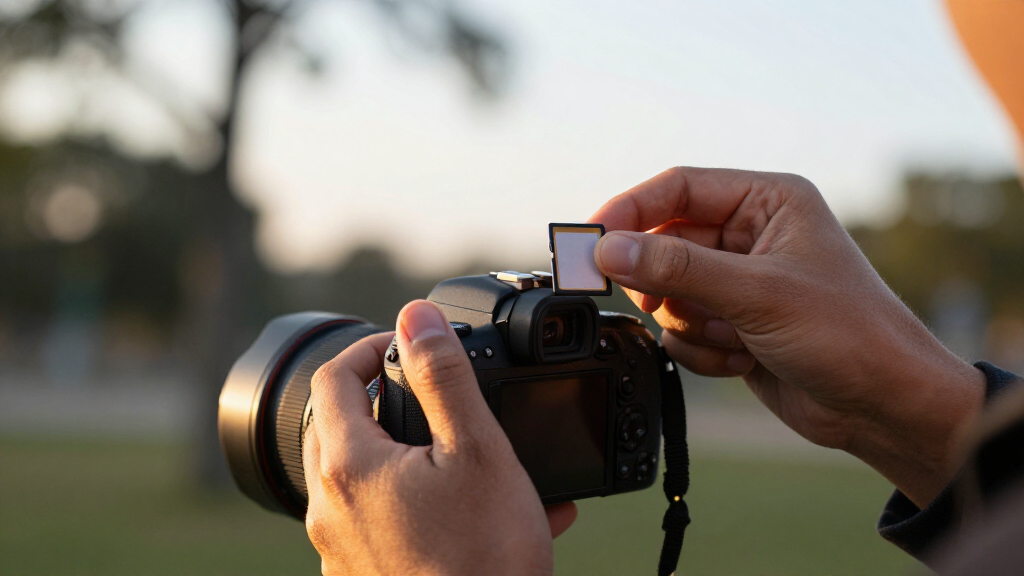

Choosing the best SD card is essential for photographers who need reliable storage for high-resolution images and videos. The top pick for overall performance is the SanDisk Extreme PRO SDXC UHS-I because of its fast 4K video transfer speeds and solid build quality. For those on a budget, the GIGASTONE 128GB SD Card offers good performance at a lower price point, while the Lexar 256GB 2000x SD Card stands out for its ultra-fast read speeds suited for professional workflows. The main tradeoffs in this category often come down to speed versus capacity and durability versus cost. Keep reading for an in-depth look at each option and how to find the best SD card for your specific photography needs.

Get audio and creator gear delivered free with Prime
- Fast, free delivery on millions of items
- Prime Video, Amazon Music and more included
- Member-only deals all year
Complete the kit


Key Takeaways
- Speed ratings like UHS-II and V90 are vital for professional videographers and high-speed burst shooting.
- Capacity varies widely; choosing a larger card reduces the need for frequent swapping, but costs more upfront.
- Durability features such as waterproofing and shock resistance are essential for outdoor or adventurous photographers.
- Price differences often reflect performance levels, so investing in a faster card can save time during editing and transfers.
- Compatibility with your camera’s UHS and UHS-II standards is crucial to avoid bottlenecks and get the most out of your investment.


| SD cards for photographer | Capacity | UHS Speed Class | Video Speed Class |
|---|---|---|---|
| SanDisk 256GB Ultra SDXC UHS-I | 256GB | U1 | — |
| SanDisk 256GB Extreme PRO SDXC | 256GB | U3 | V30 |
| GIGASTONE 64GB SD Card | 64GB | UHS-I | — |
| GIGASTONE 128GB SD Card | 128GB | UHS-I | — |
| GIGASTONE 256GB SD Card | 256GB | UHS-I | V30 |
| Lexar 128GB PRO SD Memory Card | 128GB | U3 | V60 |
| SanDisk 64GB Extreme PRO SDXC | 64GB | U3 | V30 |
| SanDisk 256GB Extreme SDXC UHS | 256GB | U3 | V30 |
| SanDisk 128GB Ultra SDXC UHS-I | 128GB | U1 | — |
| Lexar 256GB 2000x SD Memory Ca | 256GB | U3 | V90 |
More Details on Our Top Picks
SanDisk 256GB Ultra SDXC UHS-I Memory Card – Up to 150MB/s, Class 10, U1, Full HD
This SanDisk Ultra SDXC card stands out for offering reliable performance at a competitive price point, making it ideal for hobbyists and enthusiasts who need ample storage without sacrificing speed. Its transfer rate of up to 150MB/s surpasses many basic cards like the SanDisk Ultra SDXC UHS-I, providing quicker offloads and smoother workflow. However, it falls short for professional workflows requiring 4K video or burst speed, where higher-rated cards are preferable. The large 256GB capacity is a significant advantage for capturing extended shoots or landscapes, but performance can depend heavily on the device used, and it requires a compatible SD reader for optimal speeds.
Pros:- Fast transfer speeds up to 150MB/s improve workflow efficiency
- Large 256GB capacity supports extensive shooting sessions
- Supports Full HD video recording for casual videographers
- Compatible with UHS-I devices for reliable performance
Cons:- Performance varies depending on device capabilities
- Requires a compatible SD card reader to achieve maximum transfer speeds
Best for: Amateur photographers and hobbyists needing large storage for casual shooting and Full HD video.
Not ideal for: Professionals or videographers shooting in 4K, who require faster write speeds and higher performance ratings.
- Capacity:256GB
- Read Speed:Up to 150MB/s
- Class:10
- UHS Speed Class:U1
- Video Recording:Full HD (1080p)
Our verdict“A solid choice for hobbyists seeking dependable storage and decent transfer speeds for everyday photography.”
SanDisk 256GB Extreme PRO SDXC UHS-I Memory Card – C10, U3, V30, 4K UHD
This SanDisk Extreme PRO card excels in demanding environments, offering up to 200MB/s read speeds and U3, V30 ratings that support 4K UHD recording and rapid burst shooting. Compared to the Ultra version, it guarantees more consistent performance under heavy workloads, making it the go-to for professionals working with high-resolution video and fast-paced photography. The tradeoff is a higher price point and the necessity of compatible devices to fully utilize its speed. For those shooting 4K or engaging in high-speed burst modes, this card minimizes lag and data bottlenecks, but less intensive users might find it an unnecessary expense.
Pros:- Up to 200MB/s read speeds enable quick offloading
- Supports 4K UHD video with V30 rating for high-quality recording
- Reliable U3 and V30 ratings ensure stable performance during intensive tasks
- Ideal for burst photography and professional videography
Cons:- Higher cost compared to standard SD cards
- Performance depends on device compatibility to reach peak speeds
Best for: Professional photographers and videographers demanding reliable high-speed performance for 4K content and rapid shooting.
Not ideal for: Casual users or those with budget constraints who primarily shoot in Full HD or are not recording high-bitrate video.
- Capacity:256GB
- Speed:up to 200MB/s read, up to 140MB/s write
- UHS Speed Class:U3
- Video Speed Class:V30
- Supported Video Resolution:4K UHD
Our verdict“Perfect for professionals needing fast, dependable storage for high-resolution video and rapid-fire shots.”
GIGASTONE 64GB SD Card, 4K Camera Pro, UHS-I A1 V30, Up to 100MB/s, Waterproof, Shockproof, Includes Mini Case
This 64GB GIGASTONE card is tailored for photographers who need rugged, portable storage for action, travel, or fieldwork. Its transfer speed of up to 100MB/s supports 4K UHD video, but its smaller capacity limits longer shoots without swapping cards. Compared with larger capacity options like the 128GB or 256GB GIGASTONE cards, it’s more suited to quick trips or situations where durability and size matter most. Its waterproof, shockproof, and anti-X-ray features make it a dependable choice for harsh environments. The main tradeoff is its limited storage, which could be restrictive for intensive shooting sessions.
Pros:- Durable, waterproof, shockproof design for rugged environments
- Supports 4K UHD video with V30 rating
- Includes a mini protective case for portability
- Fast transfer speeds up to 100MB/s
Cons:- Limited to 64GB capacity, restricting long shoots
- No included SD card reader, may require additional accessories
Best for: Travel, adventure, or field photographers who prioritize durability and portability over large storage capacity.
Not ideal for: Photographers with extensive shooting needs or those requiring large storage for long sessions, who will find 64GB limiting.
- Capacity:64GB
- Transfer Speed:Up to 100MB/s
- Video Class:V30
- UHS Speed Class:UHS-I
- Application:4K UHD Video, Digital Cameras, Camcorders, DSLR
- Warranty:5 years
Our verdict“A durable, portable option ideal for fieldwork where ruggedness outweighs storage capacity.”
GIGASTONE 128GB SD Card, 4K UHD Video, UHS-I A1 V30 U3 Class 10, Waterproof, Shockproof, with Mini Case
This 128GB GIGASTONE SD card balances capacity and speed, offering up to 100MB/s transfer speeds suitable for 4K UHD recording. It is built to endure tough conditions, with waterproof and shockproof features, making it a dependable choice for active outdoor or travel photographers. Compared to the 64GB version, it provides more space for longer sessions without frequent swaps, but still falls short of the storage capacity found in larger cards like the 256GB options. Its speed class U3 and V30 ratings ensure stable performance during high-bitrate video recording and fast data transfers, though the actual transfer rate may be limited by the host device.
Pros:- Supports 4K UHD video recording with V30 rating
- Durable, waterproof, shockproof design for outdoor use
- Includes a mini case for extra protection
- Decent transfer speeds up to 100MB/s
Cons:- Limited to 128GB, which may be insufficient for large projects
- Performance depends on device compatibility for full speed
Best for: Photographers who need a reliable, portable solution for 4K video and high-res images in rugged environments.
Not ideal for: Photographers with extensive, multi-day shoots requiring larger storage options, who may prefer 256GB cards.
- Capacity:128GB
- Transfer Speed:Up to 100MB/s
- Video Class:V30
- Speed Class:U3
- UHS Speed Class:UHS-I
- Warranty:5 years
Our verdict“A reliable, rugged mid-capacity card suitable for outdoor and travel photographers needing dependable performance.”
GIGASTONE 256GB SD Card, UHS-I A1 V30, 4K UHD Video, Up to 100MB/s, Includes Mini Case
This GIGASTONE 256GB SD card combines ample storage with durability, supporting 4K UHD video and high-resolution photography. Its transfer speed of up to 100MB/s is adequate for most professional workflows, especially when paired with compatible devices. Compared with the 256GB Ultra SDXC, this card emphasizes ruggedness, being waterproof, temperature-proof, x-ray-proof, and shock-proof—ideal for harsh environments. However, the 100MB/s speed cap may not satisfy professionals demanding rapid offloads or working with large RAW files. Its inclusion of a mini case and 5-year warranty make it a practical choice for those needing dependable, all-weather storage.
Pros:- High capacity suitable for large projects
- Rugged, waterproof, and shockproof design
- Includes mini case for portability
- Supports 4K UHD video with V30 rating
Cons:- Limited to 100MB/s transfer speed, which could slow down large data offloads
- Performance depends on device compatibility
Best for: Outdoor, travel, and adventure photographers seeking large, durable storage for challenging conditions.
Not ideal for: High-volume studio shooters or videographers needing faster write speeds for demanding workflows.
- Capacity:256GB
- Transfer Speed:Up to 100MB/s
- Video Speed Class:V30
- UHS Speed Class:UHS-I
- Application:4K UHD Video, High-Res Photography
- Warranty:5 years
Our verdict“A durable, high-capacity option perfect for photographers working in tough environments needing dependable storage.”
Lexar 128GB PRO SD Memory Card, UHS-II, V60, U3, 280MB/s Read, 4K Compatible
This Lexar 128GB PRO SD card stands out for its lightning-fast read speeds of up to 280MB/s, making it a top choice for professionals who shoot 4K videos and high-resolution images. Compared with the SanDisk 64GB Extreme PRO UHS-I, it offers significantly higher transfer speeds, though at a premium price. The UHS-II interface allows for rapid data transfer, but this advantage is limited if used with older UHS-I devices, which diminishes its value. Its large capacity and reliable performance make it ideal for demanding workflows, but the higher cost may deter hobbyists or those with less intensive needs. This pick is perfect for professionals who need maximum speed and reliability, provided their equipment supports UHS-II. It also supports V60 and U3 standards, ensuring smooth 4K recording without frame drops.Pros:- Exceptional read speeds up to 280MB/s for fast data transfer
- Reliable performance tested for professional use
- Supports UHS-II and V60 standards for high-quality video recording
Cons:- Premium price may be prohibitive for casual users
- UHS-II compatibility is wasted on older devices, limiting its benefits
Best for: Professional photographers and videographers capturing 4K content or high-volume burst shooting
Not ideal for: Amateur photographers or hobbyists with UHS-I only devices, as the UHS-II speed benefits won’t be fully realized
- Capacity:128GB
- Read Speed:280MB/s
- Write Speed:120MB/s
- Video Speed Class:V60
- UHS Speed Class:U3
- Compatibility:UHS-II, UHS-I
Our verdict“This is the best option for high-end professionals needing ultra-fast transfer speeds and dependable performance.”
SanDisk 64GB Extreme PRO SDXC UHS-I Memory Card – C10, U3, V30, 4K UHD
The SanDisk 64GB Extreme PRO SDXC card offers solid speeds of up to 200MB/s, making it an excellent choice for photographers who shoot 4K videos and rapid burst photos without breaking the bank. It compares favorably to the SanDisk Ultra 128GB UHS-I, which has a lower maximum speed and less suitable for high-end 4K work. Its UHS-I interface and V30 rating strike a good balance between performance and affordability, but performance can vary depending on the device used, which could limit its speed in some cameras. Its moderate capacity suits users who prioritize speed and reliability over massive storage, but it may fall short for those needing extensive onboard storage for prolonged shoots. This card is best for hobbyists or semi-professionals who want dependable speed at a lower price point.Pros:- High-speed transfer up to 200MB/s for quick file transfers
- Supports 4K UHD video recording reliably
- Cost-effective for high-performance needs
Cons:- Performance depends highly on device compatibility
- Limited to 64GB, which may be restrictive for extensive shoots
Best for: Amateur photographers and hobbyists recording 4K videos or doing burst shots
Not ideal for: Professional videographers or those working with large files regularly, who may need higher capacity or faster UHS-II speeds
- Capacity:64GB
- Speed:Up to 200MB/s
- UHS Speed Class:U3
- Video Speed Class:V30
- Class:C10
- Supported Video:4K UHD
Our verdict“This card offers great value and reliable performance for enthusiasts and casual shooters working with 4K content.”
SanDisk 256GB Extreme SDXC UHS-I Memory Card – C10, U3, V30, 4K, UHD
The SanDisk 256GB Extreme SDXC provides a generous capacity paired with read speeds up to 180MB/s and write speeds up to 130MB/s, making it highly suitable for extended 4K recording sessions and high-volume burst photography. Its UHS-I interface and V30 rating ensure dependable performance, though actual transfer speeds may vary depending on device compatibility. Compared to the 64GB version, this model offers more space, reducing the need to swap cards during long shoots, but the slightly lower read speed could slow down post-shoot transfers if your workflow demands maximum speed. Its large capacity makes it better suited for professionals or serious enthusiasts who need to store extensive high-res files on the go. This card is ideal for those who prioritize storage capacity without sacrificing too much performance.Pros:- Large 256GB capacity for extensive storage
- Supports 4K UHD video with reliable performance
- Solid transfer speeds up to 180MB/s read and 130MB/s write
Cons:- Performance may vary with different devices
- Lower maximum read speed compared to UHS-II cards
Best for: Professional photographers and videographers needing ample storage for long sessions
Not ideal for: Travel photographers with limited device compatibility or those needing ultra-fast transfers for post-processing
- Capacity:256GB
- Read Speed:up to 180MB/s
- Write Speed:up to 130MB/s
- Video Speed Class:V30
- UHS Speed Class:U3
- Compatibility:Requires UHS-I device
Our verdict“This is an excellent choice for professionals requiring large storage capacity and reliable 4K performance.”
SanDisk 128GB Ultra SDXC UHS-I Memory Card – 100MB/s, C10, U1, Full HD
The SanDisk 128GB Ultra SDXC card offers decent transfer speeds of up to 100MB/s, making it suitable for full HD video and everyday photography. Compared with the higher-speed SanDisk Extreme PRO UHS-I, it trades some performance for a lower price point, which might be enough for casual use. Its UHS-I and U1 ratings mean it’s less suited for demanding 4K video or rapid burst shooting, but still reliable for standard Full HD recording. The 128GB capacity strikes a balance for hobbyists who want decent storage without overspending, though it may fill quickly during intensive shoots. This card makes the most sense for casual shooters or those with cameras that don’t fully utilize faster SD cards, but it may limit high-speed workflows.Pros:- Reliable transfer speeds up to 100MB/s
- Affordable price point
- Suitable for Full HD recording and basic photography
Cons:- Lower speed limits its use for 4K or burst shooting
- Performance can vary depending on device
Best for: Casual photographers and videographers recording Full HD content or everyday snapshots
Not ideal for: Professional or 4K videographers who need faster speeds or larger capacities
- Capacity:128GB
- Speed:Up to 100MB/s
- UHS Speed Class:U1
- Class:C10
- Video Support:Full HD (1080p)
Our verdict“This card is best for casual users needing reliable Full HD recording at an accessible price.”
Lexar 256GB 2000x SD Memory Card, 300MB/s Read, V90, U3, UHS-II
This Lexar 256GB 2000x SD card excels at handling the most demanding video formats, with read speeds up to 300MB/s and V90 certification. It clearly surpasses the SanDisk 256GB Extreme PRO UHS-I in raw speed, making it suitable for 8K footage and high-res stills. Its UHS-II interface offers blazing transfer rates, but the limited lifetime warranty and the need for compatible UHS-II devices mean it’s less appealing for casual users. If your camera supports UHS-II, this card minimizes transfer bottlenecks and supports future-proof workflows, but on UHS-I devices, it won’t deliver its maximum potential. This model is best for those working on high-end video projects or high-resolution photography that demands the fastest data handling.Pros:- Incredible read speeds up to 300MB/s for rapid transfers
- Supports 8K and high-res video recording with V90 certification
- Durable build with limited lifetime warranty
Cons:- Limited warranty may not suit all users
- Requires UHS-II compatible devices for full performance
Best for: High-end videographers and photographers working with 8K video or large raw files
Not ideal for: Casual shooters or users with UHS-I only equipment, as they won’t see full speed benefits
- Capacity:256GB
- Read Speed:300MB/s
- Video Speed Class:V90
- UHS Speed Class:U3
- UHS Version:UHS-II
- Video Support:8K, Full HD
Our verdict“This is the best SD card for professionals handling ultra-high-definition video and large files with UHS-II support.”
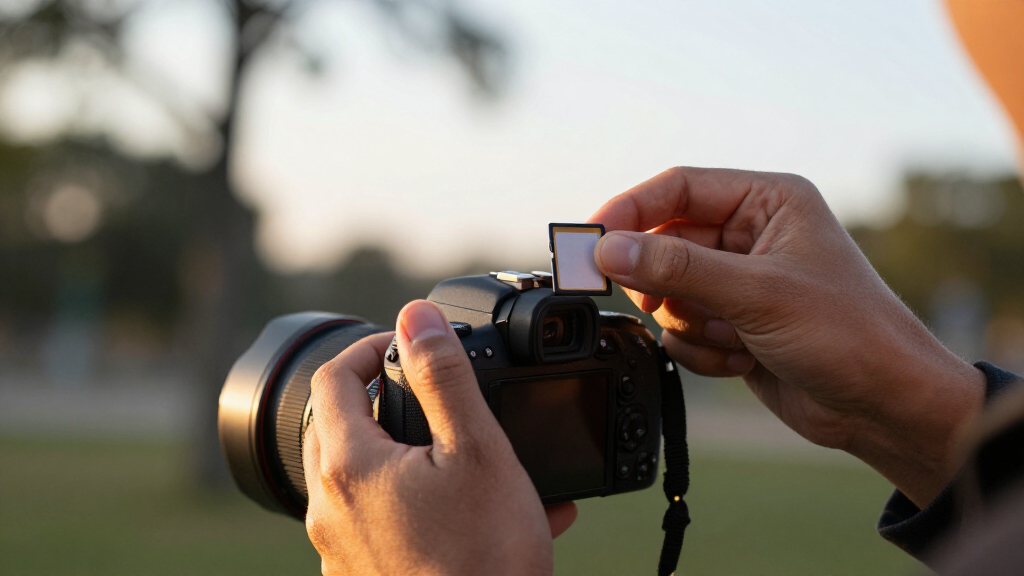
How We Picked
This selection process focused on performance metrics like read/write speeds, capacity options, and durability features that matter most to photographers. We prioritized cards that deliver consistent, real-world reliability for shooting high-resolution images and 4K videos, avoiding models with overly optimistic specs that don’t hold up under demanding conditions. Cost-effectiveness was also considered, ensuring options provide good value for different budgets. Finally, we included a range of UHS-I and UHS-II cards to cater to both casual shooters and professionals, explaining why each product ranks where it does based on these criteria.| SD cards for photographer | UHS Speed Class | Video Speed Class |
|---|---|---|
| SanDisk 256GB Ultra SDXC UHS-I | U1 | — |
| SanDisk 256GB Extreme PRO SDXC | U3 | V30 |
| GIGASTONE 64GB SD Card | UHS-I | — |
| GIGASTONE 128GB SD Card | UHS-I | — |
| GIGASTONE 256GB SD Card | UHS-I | V30 |
| Lexar 128GB PRO SD Memory Card | U3 | V60 |
| SanDisk 64GB Extreme PRO SDXC | U3 | V30 |
| SanDisk 256GB Extreme SDXC UHS | U3 | V30 |
| SanDisk 128GB Ultra SDXC UHS-I | U1 | — |
| Lexar 256GB 2000x SD Memory Ca | U3 | V90 |
Factors to Consider When Choosing Best SD Cards For Photographers
When choosing an SD card for photography, several factors influence how well it will serve your needs. Speed ratings, capacity, durability, and compatibility are key considerations. Understanding these can help you avoid common pitfalls, like buying a card that’s too slow or not rugged enough for outdoor shoots. Making informed choices ensures smoother workflows, fewer interruptions, and better protection of your work.Speed Ratings and Performance
Speed ratings determine how quickly your SD card can transfer data, which is particularly important for shooting high-resolution images or 4K video. UHS-I cards are generally sufficient for most photographers, but UHS-II cards offer faster transfer rates that save time during post-processing. Look for V30 or V60 ratings if you shoot video frequently, as these indicate sustained write speeds suitable for 4K and higher resolutions. Choosing a card with a speed class that matches your camera’s capabilities prevents bottlenecks and ensures reliable performance.
Capacity Needs
Capacity should be based on your typical shooting volume. Larger cards like 128GB or 256GB reduce the need to swap cards during a shoot, especially for event or landscape photographers. However, bigger capacity cards tend to cost more upfront, so balance your budget against your workflow. Remember that some cameras have maximum supported capacities, so check your device specifications before purchasing. For casual shooting, smaller sizes may suffice, but professionals should consider higher capacities to avoid missing shots.
Durability and Build Quality
Outdoor and adventure photographers need SD cards that withstand harsh conditions. Waterproofing, shock resistance, and temperature tolerance can prevent data loss in demanding environments. These features add peace of mind during long shoots in unpredictable weather or rugged terrain. While more durable cards often cost a bit more, they can save significant hassle and expense in the long run by protecting your valuable images and videos.
Compatibility and Standards
Not all SD cards work equally well with every camera. Check your camera’s specifications for supported UHS versions and speed classes to ensure compatibility. Using a UHS-II card in a UHS-I slot won’t deliver full speed benefits, so matching your card to your camera’s capabilities is key. Additionally, some older cameras may not support the latest V90 or UHS-II standards, making less expensive UHS-I cards a smarter choice for those models.
Price and Value
While it’s tempting to buy the fastest, most expensive SD cards, consider your actual needs and budget. For casual photographers or hobbyists, mid-range cards like the SanDisk Ultra provide reliable performance at a lower cost. Professionals should prioritize speed and durability, even if it means investing more upfront, to avoid workflow interruptions. Remember, a higher-priced card with better specs can be a worthwhile investment if it enhances your efficiency and safeguards your work.
Frequently Asked Questions
Can I use a UHS-II SD card in my UHS-I camera?
Yes, UHS-II cards are backward compatible with UHS-I slots, but they will operate at UHS-I speeds. This means you won’t benefit from the faster transfer rates that UHS-II offers unless your camera supports UHS-II. If your camera only supports UHS-I, it’s better to choose a UHS-I card to maximize compatibility and value. For cameras that do support UHS-II, investing in a UHS-II card can significantly reduce transfer times and improve workflow efficiency.
How do I know what capacity SD card I need?
Your capacity choice depends on your shooting style and storage needs. If you shoot high-resolution images or 4K videos regularly, larger cards like 128GB or 256GB can prevent frequent swapping. For casual or occasional shooting, smaller capacities such as 64GB may suffice. Always consider your camera’s maximum supported capacity and your typical file sizes to avoid running out of space mid-shoot. Having a couple of medium-sized cards can also be a flexible solution for most photographers.
Are more expensive SD cards worth the extra cost?
Higher-priced SD cards often provide faster speeds, better durability, and higher reliability, which can be worthwhile for professional workflows. If you frequently shoot high-definition video or rapid burst photography, investing in a premium card can prevent dropped frames, slowdowns, or data corruption. However, for casual shooters or those with less demanding needs, mid-range cards often deliver sufficient performance at a better price point. Always match the card’s specs with your camera’s requirements to avoid overspending on features you won’t use.
What features should I look for in a rugged SD card?
Rugged SD cards are built to withstand tough conditions, so look for features like waterproofing, shock resistance, temperature tolerance, and X-ray proofing. These features are especially important if you shoot outdoors or in challenging environments. While such cards tend to cost more, they provide extra peace of mind by protecting your data from environmental hazards. Confirm that the rugged features are certified and tested to ensure they meet the standards needed for your type of photography.
How often should I replace my SD cards?
SD cards can last for many years if used and stored properly, but it’s wise to replace them after a few years or if you notice signs of wear, such as slow transfer speeds or errors. Regularly backing up your data and avoiding frequent write cycles can extend their lifespan. For professional use, keeping a few spare cards on hand ensures you won’t miss shots due to card failure. Ultimately, if a card shows signs of corruption or physical damage, replacing it immediately is the safest choice.
Conclusion
For general photography and casual use, the SanDisk Ultra SDXC UHS-I offers reliable performance at an affordable price. Professionals who need fast, dependable speeds for high-resolution images and 4K videos should consider the SanDisk Extreme PRO SDXC UHS-I or the Lexar 256GB 2000x SD Card for their superior transfer rates. Those shooting in rugged outdoor conditions will benefit from the GIGASTONE 128GB or 256GB SD Cards with waterproof and shockproof features. Budget-conscious beginners can start with mid-range options, while advanced users aiming for maximum speed and durability should look at premium UHS-II models. Your choice ultimately depends on your workflow, shooting environment, and budget.
As an affiliate, we earn on qualifying purchases.Halloween Picks
halloween