
TL;DR

Get audio and creator gear delivered free — and shop member deals
- Fast, free delivery on millions of items
- Access to Prime Big Deal Days deals on October 6–7
- Prime Video, Amazon Music and more included
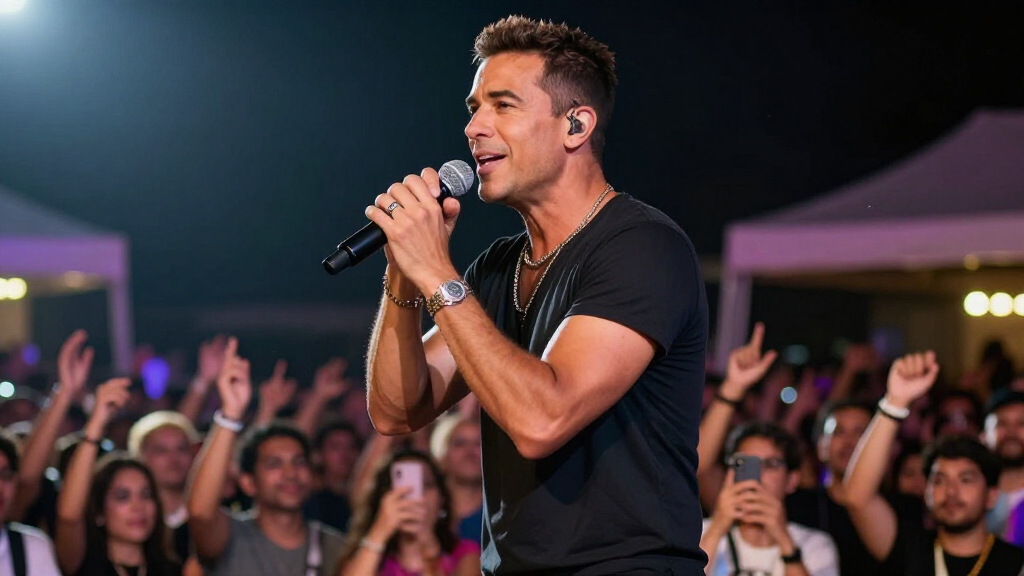
Boy George will return to Israel for a concert in Tel Aviv despite widespread calls for a boycott. The decision has sparked controversy, highlighting ongoing tensions over cultural and political protests.
Pop singer Boy George has confirmed he will perform in Tel Aviv, Israel, after previously facing calls to boycott the event. The decision comes amid ongoing debates over cultural and political protests related to Israel, and marks a significant development in the controversy surrounding international artists’ participation in Israeli events.
Boy George, a British singer and songwriter known for his role in the band Culture Club, announced his intention to perform at a concert in Tel Aviv. The decision follows a wave of calls from activists urging artists to avoid performing in Israel as part of a broader cultural boycott, which aims to protest Israeli policies in Palestinian territories.
Sources close to Boy George confirmed the artist’s plans, though the exact date of the concert has not yet been publicly announced. The performer’s decision has drawn mixed reactions: some supporters praise his stance on artistic freedom, while opponents criticize what they see as a disregard for political concerns.
The controversy highlights ongoing tensions in the cultural sector, where artists face increasing pressure to take political stands. Boy George’s decision to perform in Tel Aviv signals a potential shift or challenge to the boycott movement, which has gained momentum among certain advocacy groups and artists worldwide.
Implications of Boy George’s Decision to Perform in Tel Aviv
The decision by Boy George to perform in Tel Aviv despite boycott calls underscores the complex intersection of culture, politics, and personal choice in the Israeli-Palestinian conflict. It may influence other artists’ decisions about whether to participate in events in Israel and could impact the broader boycott movement, which seeks to pressure Israel over its policies.
This development matters because it tests the effectiveness of cultural boycotts and raises questions about artistic freedom versus political activism. It also reflects ongoing divisions within the international arts community over how to respond to Israel’s policies and actions in Palestinian territories.
For Israeli audiences, the concert represents a cultural event that could attract international attention, potentially boosting tourism and local morale. For critics, it symbolizes a challenge to efforts aimed at isolating Israel culturally and economically.
concert tickets Tel Aviv Boy George
As an affiliate, we earn on qualifying purchases.
As an affiliate, we earn on qualifying purchases.
Background on Boycott Calls and Artist Responses
The call for a cultural boycott of Israel has been part of a broader international movement supporting Palestinian rights, with activists urging artists and entertainers to refrain from performing in Israel. Prominent figures and organizations have publicly supported or opposed these calls, leading to a polarized debate within the arts community.
Boy George’s previous statements on the issue are not publicly documented, but the trend of artists defying boycott calls has been increasing in recent years, often citing reasons of artistic freedom or personal beliefs. The controversy over such decisions frequently sparks debates within media and activist circles about the effectiveness and ethics of cultural boycotts.
This upcoming concert in Tel Aviv is seen as a test case for whether artists will continue to defy calls or adhere to the boycott movement, which has seen varying levels of success and opposition globally.
As an affiliate, we earn on qualifying purchases.
Unconfirmed Details About the Concert and Reactions
It is not yet clear whether Boy George will face protests or security issues during the concert, or how the Israeli government and boycott advocates will officially respond. The exact date and venue of the performance have not been publicly confirmed, and the broader impact on the boycott movement remains uncertain.
Some critics argue that the artist’s decision could weaken the boycott effort, while supporters contend it upholds artistic independence. The full scope of international reactions and potential consequences is still developing.
As an affiliate, we earn on qualifying purchases.
Next Steps and Expected Developments in the Controversy
The concert date is expected to be announced soon, with security arrangements and potential protests likely to follow. International and local reactions are anticipated to continue, with advocacy groups possibly intensifying their campaigns. Boy George’s team has indicated they will monitor the situation closely and respond to any issues that arise.
Observers will be watching whether other artists follow suit or adhere to boycott calls, and how this decision influences ongoing debates over cultural diplomacy and political activism in the arts.
As an affiliate, we earn on qualifying purchases.
Key Questions
Why did Boy George decide to perform in Tel Aviv?
While the specific reasons have not been publicly detailed, sources close to Boy George suggest his decision is based on a belief in artistic freedom and personal choice, despite ongoing calls for a boycott of Israel.
What has been the reaction to Boy George’s decision?
The response has been mixed: some supporters praise his stance on artistic independence, while critics argue it undermines efforts to pressure Israel over its policies. Local officials have expressed support, viewing it as a sign of cultural openness.
Will there be protests at the concert?
It is still unclear whether protests or security issues will occur during the event. Details about the concert’s venue, date, and security arrangements have not yet been finalized or announced.
How might this affect the broader boycott movement?
This decision could challenge the effectiveness of cultural boycotts, potentially encouraging other artists to perform or prompting debate about the movement’s impact and ethics.
What is the significance of this event for Israeli culture?
The concert could serve as a symbol of cultural resilience and openness, attracting international attention and possibly boosting local morale amid regional tensions.
Source: local
Evergreen bestsellers Picks
bestsellers
As an affiliate, we earn on qualifying purchases.





![Netflix Postpones Gary Glitter Docuseries, Citing “New Legal Information” [Updated]](https://photomocha.com/wp-content/uploads/2026/09/netflix-postpones-gary-glitter-docuseries-citing-new-legal-information-updated-featured-260x140.jpg)